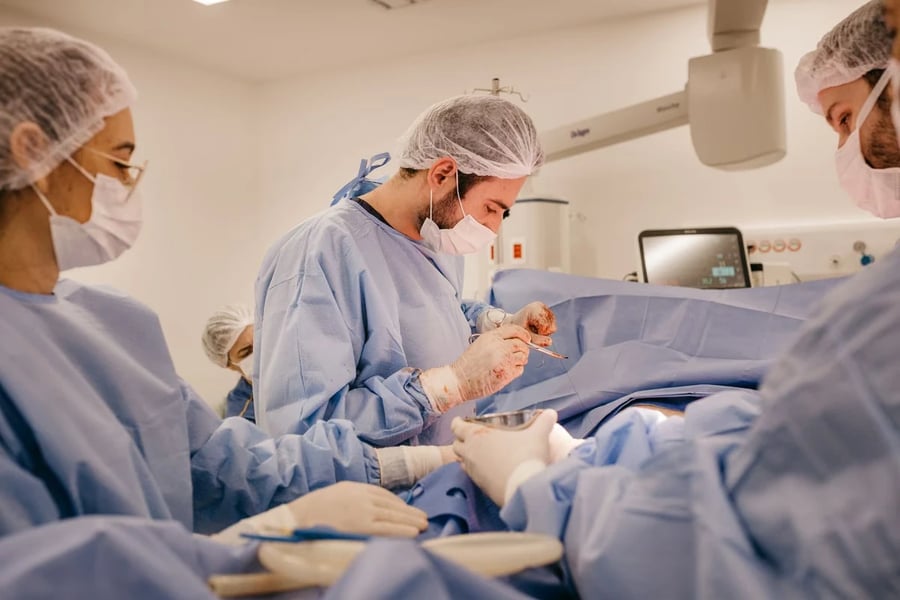
For executives, entrepreneurs, and client-facing professionals, elective surgery creates a scheduling problem that goes beyond finding an open week on the calendar.
Recovery may involve bruising, swelling, activity restrictions, follow-up appointments, and a period when someone simply does not want to be on camera or in an important meeting.
Planning around those realities can make the difference between genuine recovery time and trying to manage a demanding workload while healing.
Start With the Recovery Window
Do not begin with the date that looks most convenient.
First determine how much recovery the specific procedure may require.
The American Society of Plastic Surgeons says initial healing after a brow lift can take roughly 10 to 14 days, although recovery varies by technique and individual patient. Swelling can continue beyond the point when someone feels ready to return to normal work.
That makes calendar planning part of the procedure decision itself.
Protect a Low-Visibility Period
Professionals often underestimate how many obligations require them to be publicly visible.
Client presentations, conferences, board meetings, interviews, professional photography, video calls, and networking events can all become inconvenient during early recovery.
Someone researching brow lift surgery with Dr. Darren Smith would find, for example, that his current guidance anticipates swelling and bruising after surgery and says office work may often resume within about five to seven days, while physical activity remains restricted longer.
That does not make one week a universal return-to-work promise. It does show why a patient needs procedure-specific guidance before blocking out the calendar.
Treat Time Off as Real Time Off
Busy professionals frequently make the mistake of scheduling recovery while assuming they will continue working from home.
Sometimes that is possible. Sometimes it defeats the purpose of taking leave.
Recovery may involve disrupted sleep, discomfort, medication, follow-up care, and limited energy. A lighter workload can also reduce the temptation to ignore activity restrictions simply because work feels urgent.
That fits the broader principle behind healthy work-life balance: time away only works when it is actually protected.
Create Coverage Before You Leave
Entrepreneurs and senior leaders may need more preparation because work does not automatically stop when they do.
Before the procedure, decide:
who handles urgent approvals;
which meetings can be delegated;
what clients need to know;
which decisions can wait; and
who can access essential information.
A simple coverage plan prevents routine questions from turning recovery into another full workweek.
Do Not Schedule Around Appearance Alone
Looking presentable is not the same as being fully healed.
ASPS guidance advises avoiding vigorous physical activity for as long as the surgeon recommends after a brow lift. Even when bruising has faded enough for work, deeper healing continues.
That matters for professionals who travel frequently, exercise intensively, or return immediately to long days.
Build Margin Into the Calendar
The strongest schedule includes extra room.
Avoid placing an important conference, launch, investor meeting, or professional photo session immediately after the earliest predicted recovery date. Healing is individual, and calendars should reflect that uncertainty.
Professionals often optimize every hour.
Elective surgery is one situation where a little unused space on the calendar can be a valuable asset.
Copyright © 2026 California Business Journal. All Rights Reserved.
For California Business Journal Disclaimers, go to https://calbizjournal.com/terms-conditions/.


