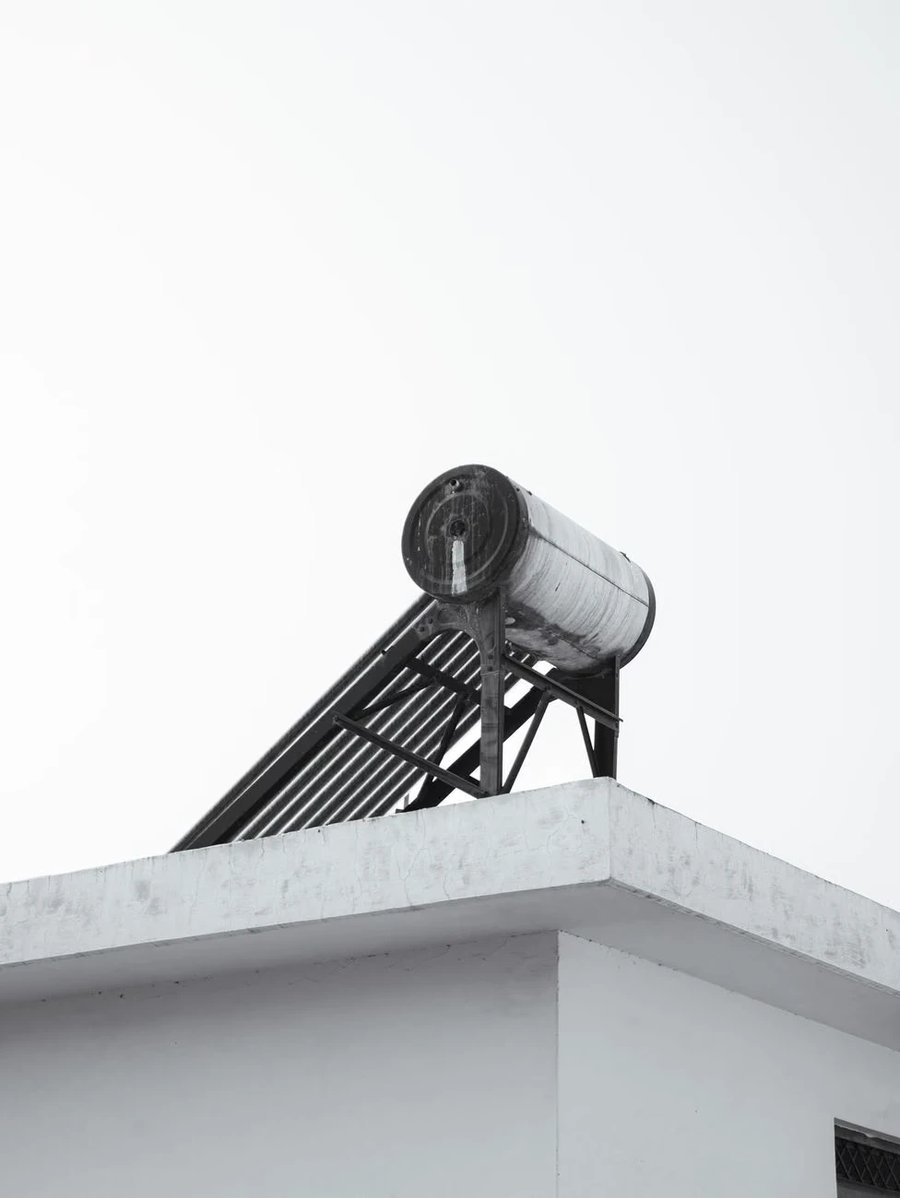
Replacing an ageing water heater can mean a substantial upfront cost, and rebate headlines rarely show which incentives apply to a particular system. In Victoria, eligible solar hot water upgrades can qualify for a state rebate, while certificate schemes provide separate forms of support. Knowing how these incentives differ helps you check a quote and estimate your out-of-pocket cost, starting with what “stacking” means.
How the Incentives Can Work Together
Before comparing quotes, check whether the proposed system qualifies for Victoria’s solar hot water system rebate and which certificate incentives the installer has included. Ask that each deduction appear separately, with its program name, eligibility basis, and timing. That breakdown helps you distinguish an approved rebate from an estimated certificate value and compare the remaining amount you must pay.
Victoria’s dedicated solar hot water rebate provides up to $1,400 for eligible solar water heaters with local content. Other eligible hot water systems can qualify for a rebate of up to $1,000. The amount depends on the system and current program requirements, so the maximum is not guaranteed for all households.
Small-scale technology certificates (STCs) are a separate federal incentive for eligible renewable energy systems. Their value can reduce the upfront system cost, but the amount and how it appears on a quote depend on the certificate arrangement. A state rebate and STCs are different forms of support. Check that each applies to your selected system before assuming both will reduce your final bill.
What STCs and VEECs Cover
STCs recognize eligible renewable energy installations under a federal scheme. Their value can be applied to the system price. Ask whether the quote includes an STC deduction, how the installer calculated it, and whether you need to complete any steps. Compare final prices only after confirming whether each quote includes the certificate value.
Victoria’s energy-efficiency scheme uses Victorian Energy Efficiency Certificates (VEECs) for eligible actions that save energy. An accredited certificate provider can purchase certificates generated by an eligible hot water upgrade. This scheme is separate from the dedicated solar hot water rebate, and the programs do not necessarily apply to all products or households.
A quote should list each incentive separately rather than grouping them under a broad “rebates” label. Check whether each amount is confirmed, conditional, or estimated, and ask what happens if eligibility is not approved. A clear breakdown makes the expected out-of-pocket cost easier to assess.
Check Eligibility Before You Commit
Eligibility rules depend on the program. The Victorian rebate generally applies to an owner-occupier replacing an existing electric or gas hot water system with an eligible solar or heat pump system. The product and installation must also meet the relevant program conditions.
Before accepting a quote, confirm these details with the installer or program administrator:
The property and household meet current eligibility requirements.
The proposed model qualifies for the rebate and any certificate incentives.
The installation provider meets the program's accreditation requirements.
The application process, required documents, and payment timing are all clearly defined.
Check these points before signing or arranging installation. Programs can set conditions for the existing system, replacement product, and installation process. Confirm current requirements rather than relying on an old quote or a general rebate figure. Keep copies of the quote and any eligibility confirmation with your application records.
Compare the Full Cost, Not the Headline
Solar hot water and heat pump systems use different energy sources. Solar systems use sunlight to heat water, while heat pumps draw heat from the surrounding air. The best option for your home depends on your site, your household hot water use, and the products available. Ask the installer to explain the proposed system’s operating needs and relevant efficiency information.
Compare quotes using the same details: system type, eligible incentives, installation work, and final amount payable. Ask for the state rebate, STCs, and any VEEC value to be itemised separately. If an amount is conditional, have the quote state the condition and who handles the application.
The advertised “up to” amount is a ceiling, not a promise of total savings. The combined benefit depends on current rules and your system’s eligibility. A written breakdown helps you assess the real cost without counting an incentive twice.
Conclusion
Treat the advertised rebate as a starting point, then verify every incentive against your household and chosen system. Ask for the Victorian rebate, STCs, and any VEEC value to be itemised, with conditions and application responsibilities stated clearly. Before approving the work, confirm eligibility under current program rules and compare the final payable amount across equivalent quotes. That gives you a sound basis for deciding whether the upgrade fits your home and budget.
Copyright © 2026 California Business Journal. All Rights Reserved.
For California Business Journal Disclaimers, go to https://calbizjournal.com/terms-conditions/.


