One in four orthodontic patients in the United States is now an adult, and many never wanted metal in their mouth. I once watched a thirty-something marketing manager talk herself out of braces three times in ten minutes. She needed a treatment that fit a life of client lunches, wedding photos, and job interviews.
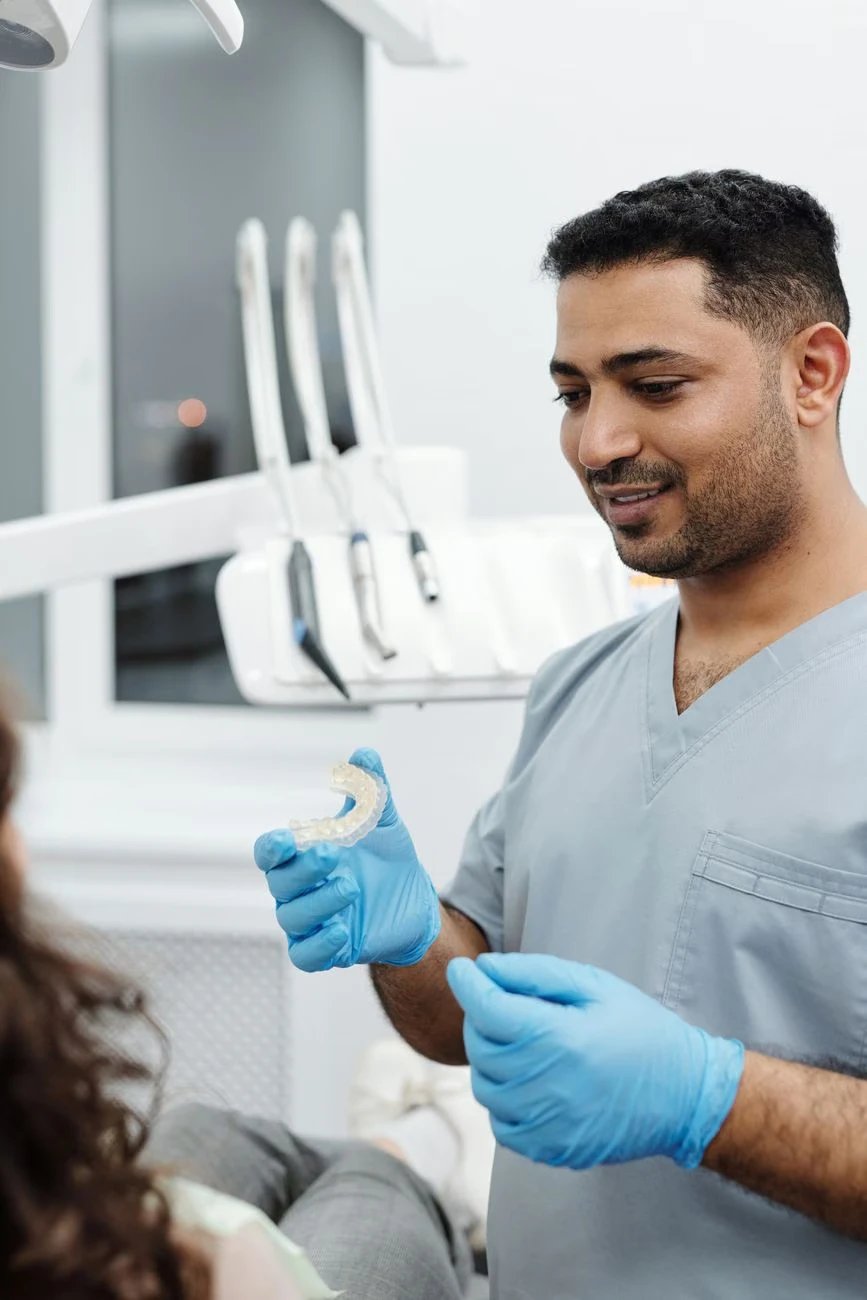
Clear aligners became that treatment, and the shift happened so gradually that most people missed it. Here is how the technology works today, where it still loses to brackets, and how to decide if it fits you.
What Changed Inside the Aligner Itself
Early clear aligners were glorified retainers that nudged teeth a millimeter or two and gave up on anything complicated. Modern aligners are different because the materials got stiffer, the software got smarter, and planning moved to a full digital model of your bite.
Today they can close small gaps, fix crowding, and correct many bite issues that once required brackets. Your orthodontist scans your teeth, and you watch them move from crowded to straight on screen before you commit a dollar. Treat that preview as a contract, not a sales pitch.
Where Aligners Still Lose to Metal Brackets
Aligners need twenty to twenty-two hours of wear every day, and they only work while they are in your mouth. Complex rotations, severely tipped teeth, and some bite corrections still belong to brackets, at least for part of treatment. If nobody mentions these limits at your consultation, get a second opinion.
Aligners: removable, nearly invisible, easy to clean around, but dependent on your daily discipline.
Traditional braces: fixed, so compliance is never a question, but they bring food rules and wire adjustments.
Clear braces: fixed like metal brackets in tooth colored material, without the daily wear math.
How Much Wear Time Does Invisalign Actually Demand?
Twenty to twenty-two hours a day sounds easy until you count meals, coffee, and snacking while you cook. Most people land near nineteen hours in week one and drift toward twenty-one once the routine settles.
Carry the case everywhere. The most common setback is a tray wrapped in a napkin and thrown out with the plate, which costs a replacement and a lost week. Oral care guidance from the Centers for Disease Control and Prevention is worth a read too, since clean aligners and clean teeth go together.
A Five-Point Checklist Before You Sign Anything
Ask for the digital treatment preview. No projected plan means you're buying a promise. Walk.
Ask who monitors your progress. Remote scanning suits simple cases, so know who answers when a tray stops fitting.
Get the full number in writing, including refinements, replacement trays, and the retainer.
Confirm the follow-up schedule and whether those visits are included.
Check what happens if you move or travel, and whether remote monitoring is offered.
Run that list at two offices. How clearly each one answers tells you more than any before-and-after gallery.
What It Costs and What You're Really Buying
Cost lands near the price of braces, varying by case and city. You're buying the plan, the monitoring, the refinements, and the orthodontist's judgment when something goes sideways. Direct-to-consumer kits skip most of that. The U.S. Food and Drug Administration regulates clear aligners as medical devices, so clinic trays arrive with documented materials and a treatment plan behind them.
Patients in Canada can land on Invisalign Kelowna BC style orthodontic pages and find the same core promise, and the same questions apply. Who's checking the fit, who owns the outcome, and what does the finish line look like before you pay?
That marketing manager finished on schedule and told me the retainer was the annoying part. The last phase is a lifelong habit, not a finish line.
The Part Worth Slowing Down For
Start with a consultation and a scan before a payment plan. Treat the digital preview like a blueprint, ask who's accountable for check-ins, and get the all-in number, retention included, in writing. Straight teeth that stay straight, on a plan you can afford and follow, are the result you'll still be glad about in five years.
Copyright © 2026 California Business Journal. All Rights Reserved.
For California Business Journal Disclaimers, go to https://calbizjournal.com/terms-conditions/.


