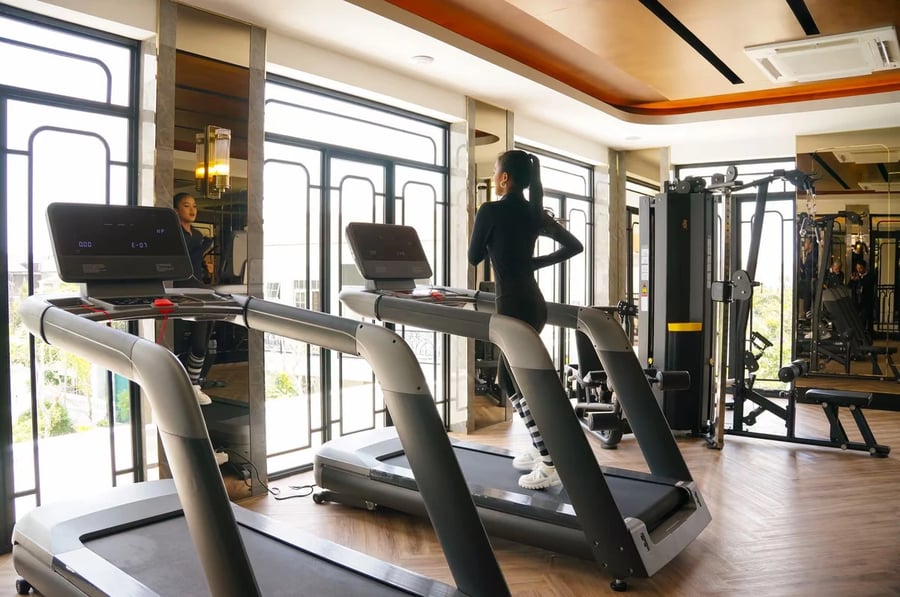
A fitness center faces constant contact, heavy foot traffic, sweat, moisture, and shared equipment throughout each operating day. Without a clear cleaning system, odors, residue, and germs collect in areas members use repeatedly. Clean spaces protect staff, support member confidence, and reduce avoidable maintenance problems. Facility managers can improve daily conditions by assigning cleaning tasks, prioritizing high-touch surfaces, controlling moisture, and consistently checking results. The most effective approach begins with a schedule built around how the facility is used.
Managers seeking a consistent process can use fitness center cleaning services NYC to thoroughly clean workout floors, locker rooms, restrooms, staff areas, and shared surfaces. A professional plan can also coordinate floor care, window cleaning, sanitation work, and schedule changes without disrupting member access. The right scope should match traffic patterns, facility hours, and the surfaces requiring regular treatment.
Build a Daily Cleaning Schedule
A written schedule keeps routine work from depending on memory or staff availability. It helps in assigning tasks by area, frequency, responsible employee, and completion time.
Staff should clean equipment handles, benches, counters, door hardware, faucets, and restroom fixtures throughout the day. Floors, mirrors, locker rooms, showers, and staff areas require scheduled cleaning during quieter periods.
Many facilities use a detailed checklist for opening, active hours, closing, and weekly maintenance. This structure helps managers spot missed tasks before dirt or moisture becomes harder to remove.
Facility size, class volume, and operating hours also shape the schedule. A busy training floor needs more frequent attention than a lightly used office or storage room.
Focus on High-Touch Equipment
Shared equipment receives repeated contact from hands, clothing, and skin. Handles, adjustment levers, touch screens, cable attachments, free weights, and exercise benches require frequent cleaning to maintain gym hygiene and prevent MRSA.
Cleaning products should match the surface being treated. Harsh chemicals can damage upholstery, screens, rubber grips, and coated metal. Staff should follow product directions, use clean cloths, and allow the required contact time before wiping.
Members also need visible access to approved wipes or spray stations. Placing them near equipment encourages immediate cleanup after use and reduces the workload between scheduled service rounds. Fitness centers can apply best practices for cleaning commercial spaces in DC to maintain hygienic workout areas, reduce germs, and create a healthier environment for members.
Control Moisture in Locker Rooms
Warm, damp areas require close attention because moisture supports odors, residue, and surface deterioration. Staff should dry shower floors, clean drains, wipe benches, and inspect corners where water collects.
Restrooms need repeated checks for soap, paper supplies, leaks, and floor conditions. Wet floors create slip hazards and can damage grout, flooring, and nearby wall surfaces.
Locker rooms also benefit from strong airflow and prompt response to plumbing issues. Cleaning staff should report standing water, damaged caulking, loose fixtures, and persistent odors instead of masking them with fragrance.
Protect Floors and Air Quality
Floor care should reflect the material and the traffic it receives. Daily sweeping and mopping remove loose soil, while periodic scrubbing, buffing, polishing, stripping, or refinishing addresses heavier wear.
Entry mats reduce the amount of dirt tracked into workout areas. Staff should vacuum beneath equipment when possible because trapped dust can spread with foot traffic and affect the room's appearance.
Vent covers, return grilles, and high ledges also need scheduled dusting. Removing settled dust supports cleaner airflow and prevents buildup in areas members rarely inspect.
Train Staff and Track Results
Every cleaner should know which products, tools, and procedures apply to each area. Training should cover dilution, contact time, cloth separation, personal protective equipment, and safe storage.
Managers can track completion with dated checklists and spot inspections. A simple review system can reveal repeated problem areas, missed shifts, supply shortages, and tasks that take longer than expected.
Member feedback can add useful information, especially for odors, restroom conditions, and equipment residue. Managers should record recurring complaints, identify the source, and adjust the cleaning schedule rather than treating each report separately.
Conclusion
Cleaner fitness centers depend on repeatable routines, suitable products, moisture control, and regular checks. Managers should map every high-contact area, assign cleaning times around member traffic, and review results each week. A written checklist creates accountability, while floor and locker room inspections reveal problems before they affect safety or facility condition. Most importantly, compare the current schedule with actual usage to revise staffing and cleaning coverage where gaps appear.
Copyright © 2026 California Business Journal. All Rights Reserved.
For California Business Journal Disclaimers, go to https://calbizjournal.com/terms-conditions/.


