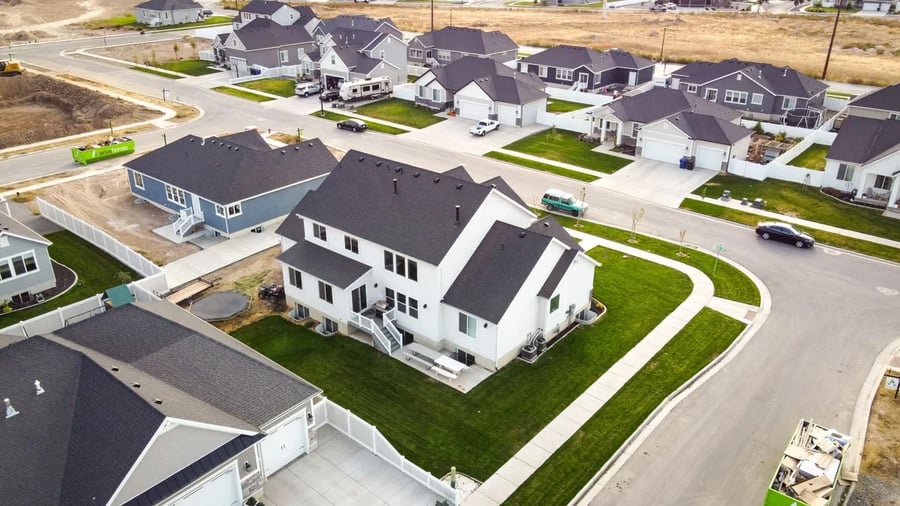
Home prices are rising because businesses are moving to town. That is happening across several Western U.S. markets right now. New offices, warehouses, healthcare projects and tech investment are bringing in workers, and many of those people need places to live nearby.
In some cities, you can already see the effect through rising rents, more apartment construction and stronger demand for homes.
Golden, Colorado
Golden is a thriving but geographically constrained market of about 20,000 residents. Even moderate commercial growth puts heavy pressure on housing.
The city already has major anchor employers like the Colorado School of Mines and Coors Brewing Company. However, the presence of institutions like the National Renewable Energy Laboratory (NREL) continues to bring in more technical and professional workers.
Because Golden is landlocked between Denver and the foothills, yet only a 15-minute drive to downtown Denver, it has very limited room to expand.
This supply-and-demand imbalance keeps local real estate expensive. As of late 2026, the median home list price of Golden real estate sits around $849,000, making affordability a real challenge.
Golden is adding highly-skilled jobs and drawing in buyers who want outdoor access close to Denver, while the physical supply of housing remains strictly limited.
Denver, Colorado
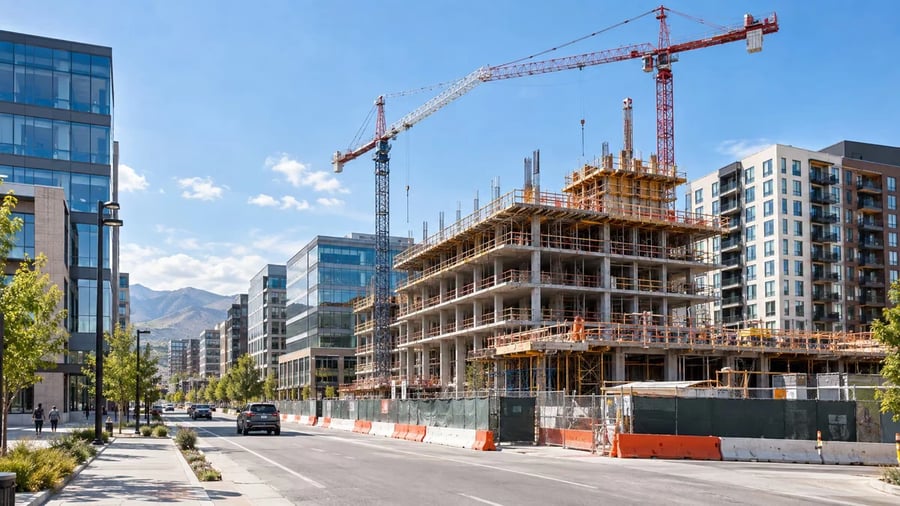
Denver continues to attract businesses because of its workforce. It also has airport access and strong base in industries such as aerospace, technology and advanced manufacturing.
You can see that activity in the commercial market. In Q2 2026, office leasing reached 1.7 million square feet, the strongest quarter since early 2022.
More business activity also means more people competing for housing near major employment areas. Denver’s median home price reached about $619,090 in August 2026, up 4.9% from a year earlier.
Boise, Idaho
Boise is a good example of how one major commercial investment can affect an entire housing market. Micron’s expansion is expected to bring 2,000 direct jobs to the area. It will also create thousands of construction and support jobs.
That creates demand not only from engineers and technical workers. But also from contractors, suppliers and service businesses that grow around a project this large.
Boise’s median home price was already around $545,000 in August 2026. So, a fresh wave of job creation adds pressure to a market that is not exactly cheap anymore.
Salt Lake City, Utah
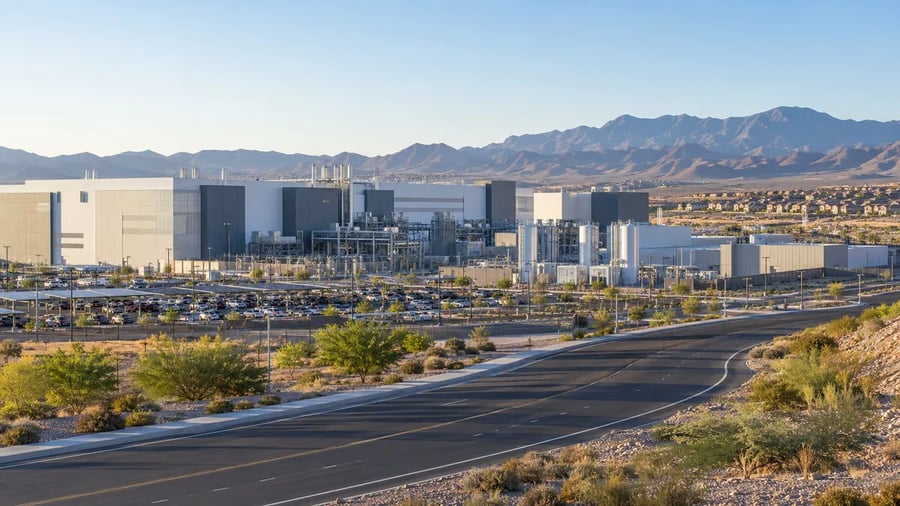
Salt Lake City’s housing demand is closely tied to job growth. In Q2 2026, the Salt Lake City–Provo office market recorded about 295,000 square feet of positive net absorption. That points to stronger business activity across the region.
However, housing is already expensive. The median home price in Salt Lake City was about $638,000 in August 2026.
So as more jobs cluster around downtown, the airport and the Wasatch Front, more workers are competing for homes in the same areas.
Phoenix, Arizona
TSMC’s expanded $100 billion-plus investment is bringing high-paying technical jobs and suppliers into the Phoenix metro. It also recorded 4.7 million square feet of industrial net absorption in Q2 2026. It shows how quickly commercial space is being taken up.
That’s why Housing demand is spreading with those jobs. The median Phoenix home sold for about $460,000 in July 2026, up 1.7% year over year. So in Phoenix, housing pressure isn't only around downtown.
Copyright © 2026 California Business Journal. All Rights Reserved.
For California Business Journal Disclaimers, go to https://calbizjournal.com/terms-conditions/.


