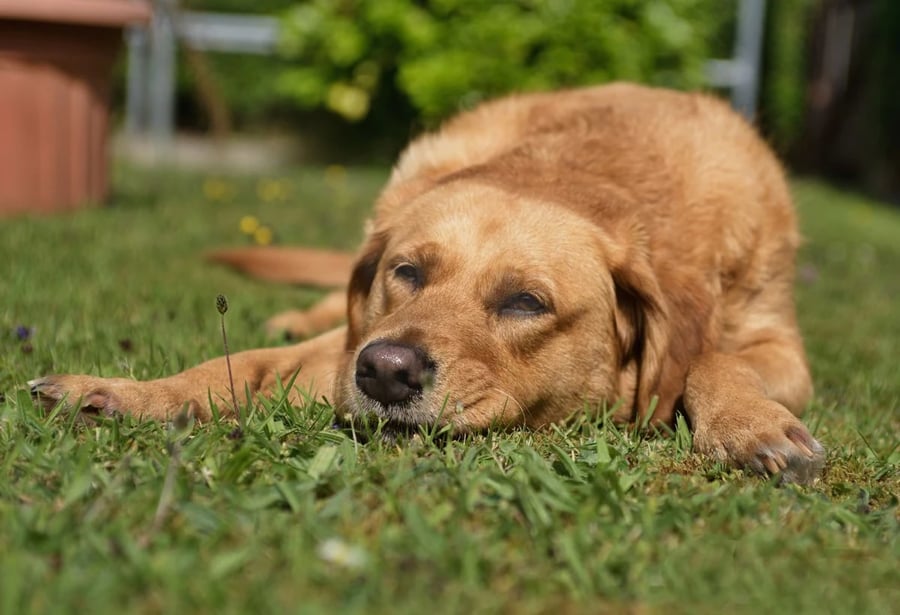
Watching a dog grow older can be bittersweet. The playful puppy that once ran around the yard may now take longer to get up, avoid the stairs, or lose interest in long walks. Sometimes, these changes are linked to arthritis, a condition that causes pain and stiffness in the joints.
The good news is that an arthritis diagnosis does not mean your dog has to stop enjoying life. With the right care, many older dogs can stay comfortable, move more easily, and enjoy their daily routines. The key is to notice changes early and make adjustments that support their health. Here are six ways to help an aging dog live more comfortably with arthritis.
1. Learn to Recognize the Signs of Arthritis
Dogs rarely show pain in the same way people do. Some may limp or cry when they move, while others become less active. You might notice that your dog takes longer to stand after sleeping, struggles to climb stairs, or no longer jumps into the car.
Other signs include stiffness after rest, licking a sore joint, changes in mood, and avoiding play. These changes can happen slowly, which makes them easy to mistake for normal aging.
Arthritis is common in older dogs. A 2024 study of dogs older than eight years found signs of osteoarthritis in 57.4% of the elbows examined, 39.2% of the shoulders, 35.9% of the hips, and 36.4% of the knees. The study involved dogs seen at a veterinary clinic, so the figures should not be treated as rates for every older dog. Still, they show how often joint problems can affect aging pets. If you notice changes in how your dog moves, arrange a veterinary check. Early care can help prevent pain from getting worse.
2. Help Your Dog Maintain a Healthy Weight
Extra weight puts more pressure on joints that are already sore. It can make walking harder and may add to the discomfort caused by arthritis. Keeping your dog at a healthy weight is one of the most useful ways to support joint health.
Start by asking your vet to check your dog's body condition. They can help you decide whether your pet needs to lose weight and suggest a suitable feeding plan. Avoid cutting food sharply or making sudden changes without advice, since older dogs still need the right nutrients to stay healthy.
Treats also count toward daily food intake. You can use smaller treats, reduce table scraps, and measure meals rather than filling the bowl by guesswork. If your dog needs to lose weight, gradual progress is usually easier to maintain.
3. Discuss Different Pain Management Options With Your Vet
Arthritis care often involves more than one type of treatment. Depending on the level of pain, a vet may recommend prescription medication, physical rehabilitation, joint support, or other forms of care.
Even more interesting is that there is pain relief for dogs that does not rely only on medication. Red light therapy, also called photobiomodulation, uses red and near-infrared light to affect activity within cells. It is being studied and used in veterinary care to support pain management and mobility in some pets.
For example, a home device such as Medcovet Luma uses red and infrared light and comes with a clinician consultation and a treatment plan. This type of therapy may be considered alongside other care, but results can vary. Ask your vet whether it is suitable for your dog and how to use it safely.
Do not stop prescribed medicine or replace it with another treatment without veterinary advice. The aim is to find a plan that keeps your dog comfortable and supports daily movement.
4. Keep Exercise Gentle and Regular
It may seem kinder to let a dog with arthritis rest all day, but too little movement can lead to weaker muscles and stiffer joints. The goal is to keep your dog active without causing extra pain.
Short, regular walks are often easier to manage than one long outing. Let your dog move at a comfortable pace, and avoid activities that involve sudden turns, high jumps, or rough play. Swimming or guided water therapy may also suit some dogs because the water supports their body while they move.
Watch how your pet responds during and after exercise. If your dog starts limping more, seems unusually tired, or struggles later in the day, the activity may be too much. Your vet can help set a routine that fits your dog's condition.
5. Make Your Home Easier to Move Around
Small changes at home can make daily life less stressful for an older dog. Slippery floors, high steps, and low food bowls may become difficult when joints are stiff.
Consider adding non-slip rugs to smooth floors, placing a supportive bed in a quiet area, and using a ramp for the car or furniture if your dog is allowed to climb onto it. Keep food and water bowls where your pet can reach them without walking too far.
A warm, comfortable sleeping spot can also help your dog settle down. Try to keep their bed away from cold drafts and busy walkways. These changes may seem simple, but they can reduce the effort needed to get through an ordinary day.
6. Keep Track of Changes and Follow Up
Arthritis can change over time, so your dog's care plan may need adjustments. Keep notes on how easily your pet gets up, how far they can walk, whether they still enjoy play, and how they behave after exercise. You can also take short videos of your dog walking or climbing a few steps. These may help your vet see changes that are not obvious during a short appointment.
Attend follow-up visits as advised, even when your dog seems to be doing well. If pain suddenly becomes severe, your dog cannot stand, or a leg becomes swollen, seek veterinary care promptly rather than waiting for the next routine check.
Help Your Dog Enjoy the Years Ahead
Arthritis may change how your dog moves, but it does not have to take away every happy part of daily life. Healthy weight, gentle exercise, a comfortable home, and suitable pain care can all make a difference.
Work with your vet, pay attention to small changes, and adjust your routine as needed. With steady support, your aging companion can still enjoy many good days by your side.
Copyright © 2026 California Business Journal. All Rights Reserved.
For California Business Journal Disclaimers, go to https://calbizjournal.com/terms-conditions/.


