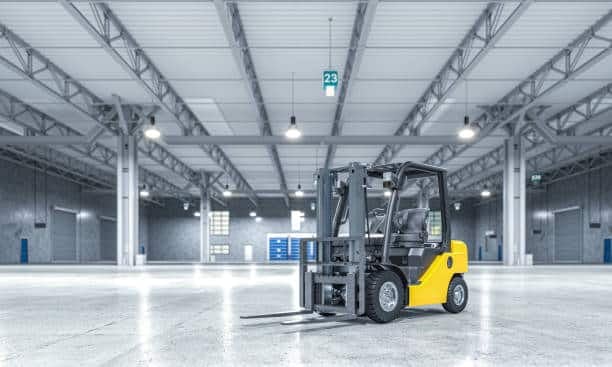
To invest in a forklift seems like a straightforward business decision: buy the machine, deploy it, and keep operations running. Yet what many businesses overlook is that a forklift isn't just a one-time purchase, but a long-term financial commitment. From maintenance and compliance costs to unforeseen breakdowns, ownership comes with ongoing expenses that can quickly add up.
For companies in Singapore’s industrial and logistics sectors, forklifts are vital to efficiency, keeping supply chains moving and warehouses productive. However, as 2025 brings new regulatory requirements, evolving sustainability standards, and shifting cost structures, companies must think beyond the sticker price. The financial impact of ownership extends far beyond the initial investment, making strategic budgeting more important than ever.
Tackling issues like upfront costs, operational expenses, and hidden fees, this article explores the full financial picture of forklift ownership. Here are some insights to help you make smart, future-proofed decisions for your business:
Purchase Price vs. Forklift Rental: Which Makes More Sense for Your Business?
First, consider that purchasing a forklift outright provides long-term asset control and eliminates recurring rental fees. For businesses with stable operations and predictable usage, owning the equipment can be cost-effective. However, the initial capital outlay can be substantial. Brand-new units range from tens to hundreds of thousands of Singapore dollars, impacting cash flow and requiring careful budgeting.
On the other hand, forklift rental offers financial flexibility, especially for businesses with fluctuating workloads or seasonal demand. Rental agreements typically come with fixed monthly costs, simplifying expense forecasting while avoiding large initial investments and concerns about long-term depreciation over a forklift’s five- to seven-year lifecycle.
If you’re considering buying a forklift, explore Enterprise Singapore’s Productivity Solutions Grant (PSG) to help offset initial costs. While not all models qualify, certain pre-approved solutions may be eligible for co-funding, making this investment more accessible.
Ultimately, it’s essential to assess your operational needs, financial position, and usage expectations to find the best option. Ownership promises stability and asset control, while rental provides agility and cost predictability. The right decision depends on how flexible and scalable your business needs to be in 2025 and beyond.
Ongoing Operating Costs You Can’t Ignore
Once a forklift is in service, the costs don’t taper off. Instead, they accumulate over time. Fuel or electricity becomes a fixed operational consideration, shaped largely by how frequently and intensively the equipment is used. Diesel forklifts often result in high fuel expenses, while electric models shift costs toward charging infrastructure and energy consumption. Each option requires careful budgeting to manage long-term financial impact.
Beyond fuel costs, maintaining a forklift’s optimal condition is another substantial expense. Routine servicing, tyre replacement, and parts wear are inevitable, and these will account for a significant share of your annual budget. Overlooking upkeep can lead to breakdowns that disrupt workflow, often making emergency repairs far more expensive than routine maintenance. A single unscheduled halt during peak operations can easily erase months of anticipated savings.
Labour costs also play a key role in forklift operations. Skilled operators command competitive wages, while compliance-related expenses, such as recordkeeping, safety certifications, and regulatory adherence, further contribute to ownership costs.
Collectively, these recurring expenses make it essential to plan beyond the purchase price and adopt a more mindful approach to long-term budgeting.
Hidden and Unexpected Expenses That Add Up
Not all forklift-related costs are immediately obvious. Some only become apparent once the machine is in regular use. Depreciation is a prime example. From the moment the forklift is in operation, its resale value begins to decline, sometimes faster than expected depending on the model, frequency of use, and upkeep history.
Downtime is another overlooked cost. A forklift sitting idle due to mechanical failure, unavailable parts, or scheduling delays not only takes up space but also affects fulfilment timelines and drains productivity. The longer the delay, the greater the financial strain.
Insurance premiums, damage liability, and storage requirements can also push expenses beyond expectations. In some cases, environmental conditions or limited space may require additional safety features, shelter, or temperature controls, each contributing to unforeseen expenditures.
You’ll need to recognize these hidden expenses early to help your business stay financially prepared and avoid unexpected setbacks.
Future-Proofing Your Investment
Buying a forklift involves more than just fulfilling an immediate need at truck auctions australia. It’s a long-term investment that must align with evolving industry standards, technological advancements, and sustainability expectations. Making the right choice now ensures that your equipment remains relevant in the years ahead.
One key development to prepare for is the Ministry of Manpower’s (MOM) upcoming refresher training requirement. By 2027, forklift operators in Singapore will need to complete a training course at least once every three years. This change will introduce new costs and administrative planning that should be factored into long-term budgets.
Technological compatibility is equally important. Forklifts equipped with telematics, diagnostics tools, and automation support improve efficiency, especially for businesses looking to scale or digitise their operations. Investing in adaptable technology can enhance performance while reducing disruptions.
Environmental performance is another growing priority. Electric and hybrid models designed for energy efficiency not only reduce emissions but also offer potential cost savings and reputational advantages. Staying ahead of these developments helps ensure your forklift remains an asset, not a liability, as your business evolves.
If you’re a decision-maker in your company, accurately assessing the true cost of forklift ownership is key to the task of ensuring its long-term operational stability. Armed with a good grasp of both immediate expenses and future obligations, you’ll be able to build a strategy that keeps your business agile and financially resilient.
Have the deeper costs been factored into your current approach? Now is the time to reassess.
Copyright © 2025 California Business Journal. All Rights Reserved.
For California Business Journal Disclaimers, go to /terms-conditions/.


