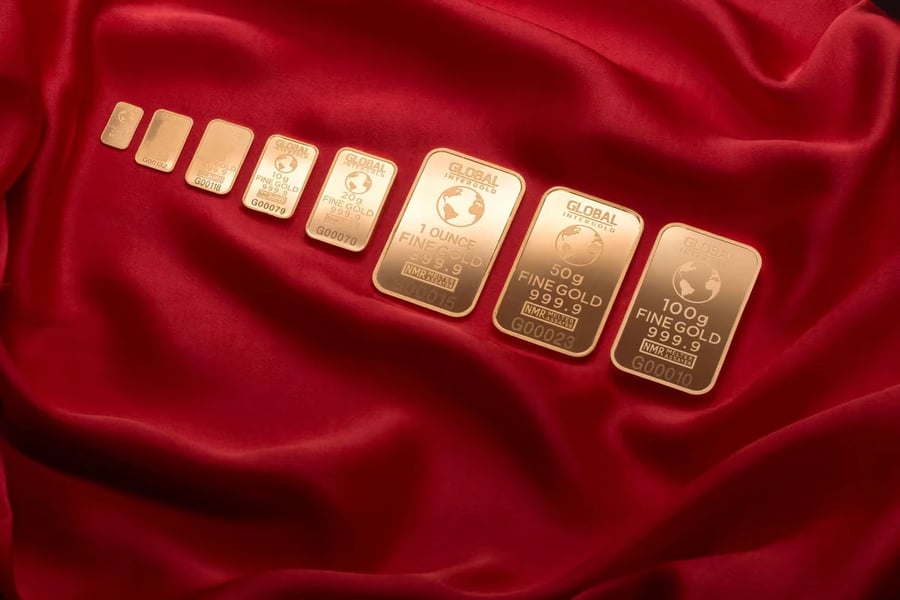
Gold is one of the world’s most recognisable assets, with a long history as a store of value and a symbol of wealth. However, spot gold trading involves more than simply buying physical gold such as coins, bars or jewellery. When traders refer to spot gold, they are usually talking about gaining exposure to the current market price of gold, often through financial products that allow them to speculate on whether prices will rise or fall rather than taking ownership of the metal itself.
For those new to financial markets, spot gold can appear straightforward: the price goes up, and traders who are positioned correctly may benefit; if it falls, they may lose money. In practice, however, several features of the market make spot gold behave differently from many other tradable assets. Three concepts are especially important to understanding this difference: spreads, leverage and volatility. These factors influence the cost of trading, the size of potential gains or losses, and the speed at which market movements can affect a position.
Spot gold’s unique characteristics are closely tied to the structure of the global precious metals market. Singapore, for example, has an established bullion industry supported by participants across the precious metals ecosystem. The Singapore Bullion Market Association (SBMA) represents this industry and supports the development of Singapore as a precious metals trading hub. This broader market structure helps explain why gold is traded internationally, with high levels of participation and liquidity. Understanding this foundation makes it easier to see why spreads, leverage and volatility play such an important role in spot gold trading.
Spot Gold Operates in a Global, Highly Connected Market
Unlike many financial assets that are tied to a particular company, sector or economy, spot gold is part of a global market involving a wide range of participants. These include banks, bullion dealers, refiners, institutional investors and other market professionals who buy and sell gold around the world. Because so many players participate in the gold market, prices are continuously monitored and updated across international markets. This allows traders in different regions to access similar pricing information.
The scale and connectivity of this market are important because they influence one of spot gold’s key characteristics: liquidity. A liquid market generally has many active buyers and sellers, making it easier for trades to be executed efficiently. This is one reason spot gold can often have relatively competitive pricing compared with markets that have fewer participants or lower trading activity.
Spreads: The Cost of Entering and Exiting a Trade
The spread is the difference between the price at which a trader can buy gold and the price at which they can sell it. It is one of the first concepts beginners encounter because it represents an immediate cost of entering a trade. For example, if gold is available to buy at USD 3,000 per ounce but can only be sold at USD 2,999 per ounce at the same moment, the USD 1 difference is the spread. A trader would need the market price to move beyond this gap before the trade becomes profitable.
Spreads are closely linked to market liquidity. In markets with many active participants, buyers and sellers are more easily matched, which can help keep the difference between buying and selling prices relatively small. In less liquid markets, spreads may become wider because there are fewer participants available to complete trades at competitive prices. Spot gold generally benefits from its global trading volume, although spreads can still change depending on market conditions and trading hours, as well as the broker or platform being used.
For retail traders, it is also important to remember that the spread they see may not represent the entire global market. Different brokers may offer different pricing conditions depending on their fees, liquidity providers and account structures. This means that understanding the spread is not just about knowing the definition, but also recognising how trading costs can affect the outcome of a position.
Leverage: Why Small Price Changes Can Have Large Effects
With leverage, traders can take a position in the market that is worth more than the funds they initially put in. Instead of paying the full value of a trade upfront, a trader provides a portion of the position’s value as margin, while the broker provides the remaining exposure. For example, with 1:100 leverage, a trader with USD 1,000 in available capital could potentially control a position worth USD 100,000. The gold price itself has not changed, but the trader’s exposure to those price movements has increased significantly.
This is why leverage is such an important consideration in spot gold trading. A relatively small movement in gold prices can translate into a much larger gain or loss when applied to a leveraged position. While leverage can increase potential returns, it also increases potential losses, especially when markets move quickly. Beginning traders therefore need to understand position size and risk exposure instead of focusing only on whether gold prices are rising or falling. It is also worth noting that many retail spot gold products provide exposure to gold prices without involving ownership of physical gold.
Volatility: Why Gold Prices Can Move Quickly
Volatility refers to how much and how quickly an asset’s price changes over a period of time. Gold prices are influenced by a wide range of global factors, including movements in the US dollar, interest rate expectations, inflation concerns, geopolitical developments, and changes in investor demand. Because gold is viewed by many investors as a globally traded asset, events affecting financial markets around the world can influence its price.
Gold is not always the most volatile market, but its price movements can still be significant, particularly during periods of uncertainty. This becomes especially important when combined with leverage. A price movement that appears relatively small on a chart may have a much larger financial impact on a leveraged position. For this reason, traders often consider not only the direction of gold prices, but also the pace and scale of market movements when assessing their exposure.
Gold’s appeal often comes from its simplicity: a precious metal with a value that has endured across generations. Yet the process of trading gold in modern markets is shaped by a range of mechanisms that are less visible at first glance. For anyone seeking to understand spot gold, the most useful perspective may be to look beyond the price itself and consider the market forces that determine how that price is experienced.
Copyright © 2026 California Business Journal. All Rights Reserved.
For California Business Journal Disclaimers, go to https://calbizjournal.com/terms-conditions/.


