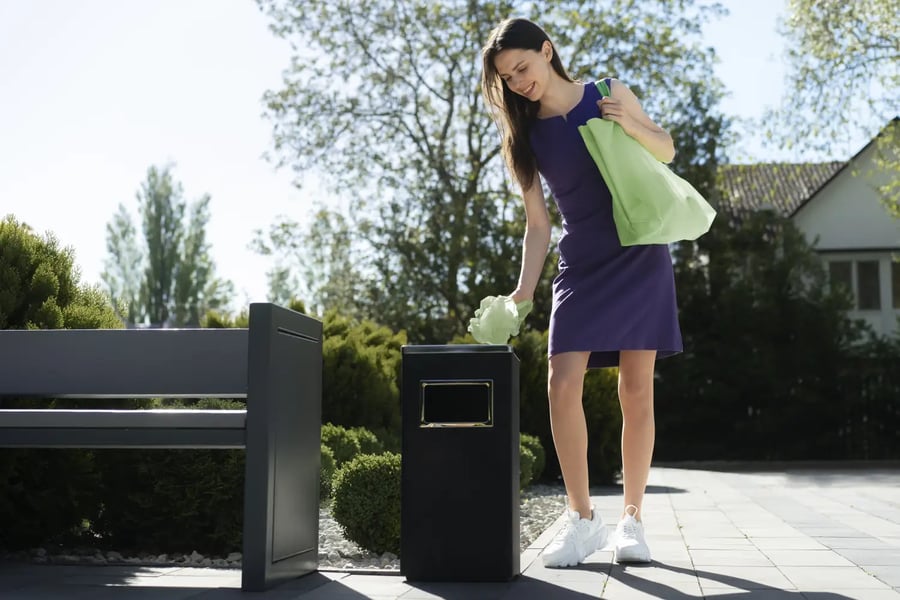
As the State of California continues to set ambitious environmental goals, small and medium-sized businesses (SMBs) are proving essential in reaching the State's targets. Waste management strategies dictate how retail companies, food service firms and manufacturers grow and develop. By executing astute strategies, SMBs within the State of California can reduce their footprint while streamlining operations.
Why Smart Waste Management is Vital for California’s SMBs
The Golden State leads in environmental policy. From stringent recycling mandates to statewide composting requirements, businesses must match ever-increasing regulations. That’s not small-time business for SMBs. That’s how they keep ahead in a cutthroat industry.
Organizations that integrate sustainability are better positioned to reach environmentally conscious customers and business associates. Additionally, a well-handled waste stream has a direct impact on costs. Disposal system inefficiencies quickly add up in transportation expenses, storage issues and wasted productivity. On the other hand, organizations that integrate smart systems usually save in the long run.
For SMBs that produce a lot of packaging, materials, or recyclables, investing in machinery such as balers and compactors can make a practical difference. Supplies such as baling wire are usually included as well. They help make business recycling processes easier and maximize space.
Identifying Common Waste Challenges in Small to Medium Businesses
Every SMB has specific issues, but certain industry-wide trends exist in California. Restaurants and coffee houses usually need food disposal and composting requests. Retailers deal with the accumulation of cardboard and flexible packaging. Light producers need a mix of scrap, pallets and speciality materials.
Without a well-defined system, these concerns can quickly overwhelm finite storage areas. Workers' regularly incorrect waste-handling procedures are yet another widespread issue. Workers can be inconsistent in differentiating recyclable materials from general waste. The end product is contamination, which disqualifies hauls from entering recycling centers.
SMBs are also dependent on outside hauliers and do not fully optimize collection routes, which unnecessarily adds expense. The first step in overcoming both issues is conducting a waste audit. By monitoring what types of waste are produced during peak operations and how they are disposed of, you can understand how to improve.
The Integration of Technology and Equipment in Better Waste Solutions
Smart waste management is more than mere garbage segregation. It’s all about incorporating technology that makes the entire process smoother. Regarding Californian SMBs, balers and compactors remain the two most efficient tools in the war for greater efficiency. The compactors compress recoverable materials such as cardboard and plastics, significantly reducing their bulk. This not only saves space but also decreases transport costs.
More material is transported at a time. Compactors are designed for general rubbish. Companies compact garbage to create smaller, denser compacts, thereby reducing pickup frequency and hauling expenses. The equipment required depends on the size and type of rubbish an SMB generates. Even modest investments can recoup themselves in the long term.
Establishing a Sustainable Workplace Culture
No waste management system succeeds without employee buy-in. In SMBs and especially in small, close-knit work groups, creating a culture of sustainability can make or break a project. The process starts with education. The staff must be educated on how to use equipment and why it matters. Making it clear how recycling, cost savings and environmental targets in California are connected gives staff a sense of ownership. Clear, straightforward procedures help enforce good practice.
Clearly labelled bins, uncomplicated signage and routine reminders help make it less likely that recycling and composting are an afterthought. You can also incentivize employees for continuous efforts toward sustainability targets. This motivates positive behavior among the rest of the workers. When workers are engaged, waste management ceases to be a chore and becomes a shared responsibility. When there is increased environmental consciousness, as in California, such alignment is good for the planet and brand image.
Measuring Success and Promoting Long-Term Efficiency
Implementing smart waste management techniques is no one-time venture. It’s a continuous process. For SMBs in the state of California, monitoring outcomes is a priority. Measuring the amount of waste diverted from landfills, reduced hauling expense and equipment efficiency allows businesses to quantify progress.
These are also practical foundations on which to report success to business stakeholders and customers. Technology can facilitate monitoring. Many new balers and compactors have computerized features that keep track of how often they are in use. This helps companies identify busier waste days, change workflows and plan more productive pickup routes.
Regular maintenance and service keep equipment in top form, which can help with long-term savings. The endgame is overall improvement. The State of California environmental regulations are updated frequently and businesses have to be flexible in responding.
Smart waste management is a regulatory imperative and has multiple business potentials for small and medium-sized enterprises in California. If addressed, waste issues generate opportunities for investment in the right technology, engagement of employees and measurement, all of which convert sustainability into a business advantage.
The benefits extend well beyond reduced costs. They encompass improved brand reputations, streamlined operations and a contribution to the State’s environmental aspirations. In a State associated with leadership and innovation, SMBs that incorporate smart refuse management are driving a brighter financial future themselves and helping build a more sustainable tomorrow.
Copyright © 2025 California Business Journal. All Rights Reserved.
For California Business Journal Disclaimers, go to /terms-conditions/.


