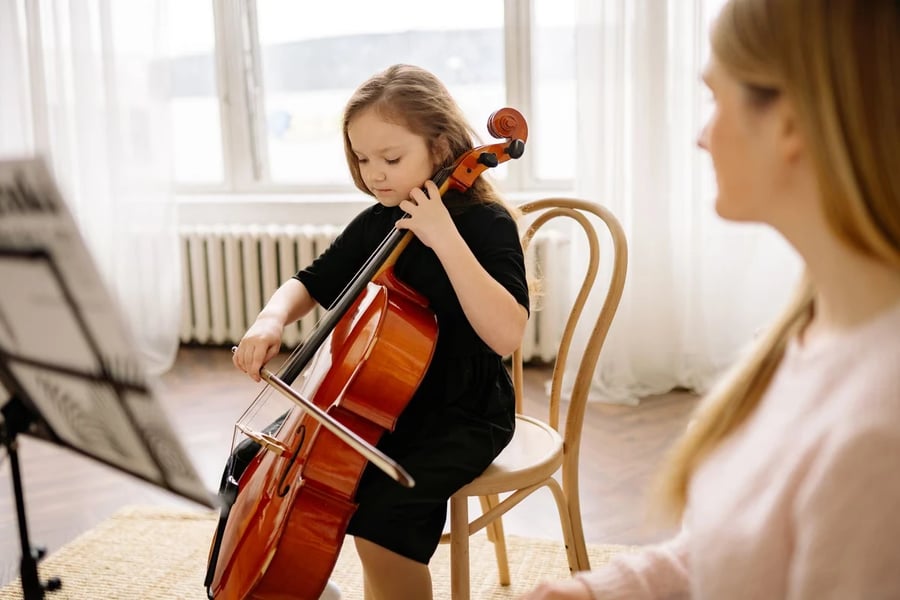
Every September, thousands of California families make the same discovery. Their child has joined the school orchestra, and suddenly there is a violin, viola, or cello in the house. For many parents, this is the first time they have been responsible for a handcrafted wooden instrument, and it rarely comes with an instruction manual.
A string instrument is a carefully balanced object made of thin wood, glue, and tension. How it is stored, carried, and handled each day decides whether it lasts one school year or several decades. For families, school programs, and the nonprofits that fund them, good care protects a real financial investment and keeps young musicians playing.
The Case Is the First Line of Defense
If one purchase pays for itself, it is a quality case. Many student instruments arrive in basic cases that offer limited protection, which is less than ideal for a student carrying an instrument to school, rehearsals, and lessons several times a week.
A good case absorbs bumps and drops, insulates against sudden temperature swings, and keeps the bow secure. Better cases add hygrometers to monitor humidity, suspension systems, and backpack straps that help young students carry their instruments safely.
Families and school programs comparing options can browse retailers such as Great Violin Cases, which carries violin, viola, and cello cases from established makers and makes it easy to compare weight, protection, and carrying styles side by side. The right choice depends on a typical week of travel. A student who walks to school needs something different from one who is driven door to door.
Daily Habits That Prevent Expensive Repairs
Teachers consistently say most damage happens in ordinary moments: an instrument left on a chair, a bow set on the floor, a case left unlatched. A few habits make a meaningful difference:
Put it away every time. The instrument goes back in its case, latched and zipped.
Loosen the bow hair. Constant tension can warp the stick.
Wipe off rosin dust. Use a soft, dry cloth after each practice.
Leave repairs to professionals. Glue, soundpost, and crack repairs belong with a qualified luthier.
California's Climate Is Tough on Wood
String instruments are built from spruce and maple that expand and contract as moisture levels change. When that happens too quickly, seams can open and tops can crack. Coastal communities deal with marine air, inland regions see intense heat and very dry air, and Santa Ana winds can drop humidity sharply in a matter of hours.
Then there is the car. On a warm afternoon, a parked vehicle can become hot enough to soften the glue that holds an instrument together. Keep instruments indoors at room temperature, away from heating vents and sunny windows, and consider a case humidifier in dry months.
Why Keeping Kids Playing Is Worth the Effort
In a piece for California Business Journal, Laguna Beach restaurateur and philanthropist Alec Glasser made a compelling argument for empowering young lives through music as a way to build life skills and support mental health. Learning an instrument teaches discipline, patience, and teamwork.
None of those benefits happen if the instrument stops working. A cracked top or broken neck can sideline a student for weeks, and for families on a tight budget, an unexpected repair bill can end lessons altogether. For schools and nonprofits, every repair avoided is money that can go toward lessons, sheet music, or more students.
A Small Investment That Keeps the Music Going
A sturdy case, a few consistent habits, and some awareness of California's climate can protect a family's investment and keep a young musician playing. That is a return worth protecting.
Copyright © 2026 California Business Journal. All Rights Reserved.
For California Business Journal Disclaimers, go to https://calbizjournal.com/terms-conditions/.


