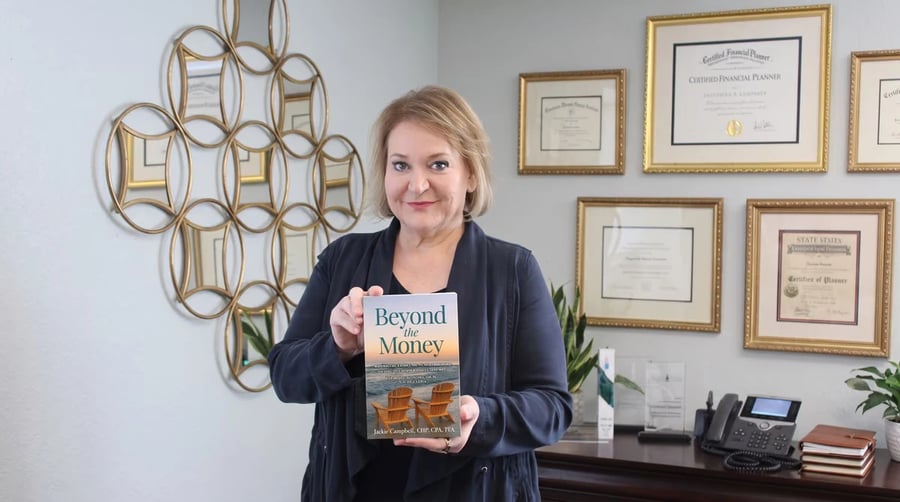
A retirement question tends to hit at the oddest time. Maybe it shows up while sorting a drawer or rereading an old file, and suddenly the future feels closer than the calendar claims. That moment often sends people toward retirement planning, even if they’ve already spent years doing the right financial things. Jackie Campbell understands that hesitation well. Her work highlights why plans may feel unfinished until people clearly understand their choices.
Campbell’s book, Beyond the Money, sets out to help readers find that clarity. The early chapters look at the emotional side of major transitions, especially for women in retirement, and tie the idea of readiness to confidence. The idea is that preparation may give people more room to enjoy what comes after.
Where Retirement Questions Begin
A retirement decision usually starts with uncertainty. One thought moves to another, and people begin wondering if they saved enough, planned correctly, or misunderstood something important. Campbell has watched this pattern for more than thirty years as a CPA and CPF®.
While some people blame hesitation on a lack of preparation, she saw how often it’s rooted in uncertainty. Many of her clients spent decades organizing accounts, reviewing tax preparation, and handling family responsibilities, yet still felt unsure about taking the next step.
Campbell believes retirement readiness goes beyond finances. She sees confidence as an emotional shift that may grow once people understand the decisions ahead. Her book walks through that idea slowly, giving readers room to think rather than react. That approach sets the foundation for people who want their next chapter to feel calm.
Giving People a Sense of Direction
Direction matters during transitions. People spend years building routines, and retirement may feel strangely open without a structure to replace them. Campbell helps clients map their days by asking what they want life to feel like. That process may help reduce the pressure that often shows up once people start considering major changes.
This framework carries into her book. She writes about clarity as something people can build by looking at both numbers and emotions. Campbell guides readers through common sticking points and encourages them to notice how their values show up in small decisions. Over time, that recognition may help them see retirement as a continuation rather than a departure.
Confidence as a Practical Tool
Campbell’s experience with tax planning and long-term preparation allows her to explain complex topics without overwhelming readers. She shows how clarity builds confidence and can make retirement feel less unknown. Many people delay choices because the next step feels vague. Campbell offers reassurance that hesitation doesn’t signal failure and helps clients work toward a clearer direction.
For those retiring in Florida, she includes examples drawn from years of local advising. These sections help readers understand how location may influence certain decisions. The tone stays grounded, and she keeps explanations focused on the parts that people tend to overlook while planning.
Why Campbell’s Perspective Stands Out
Retirement often brings a mix of relief and uncertainty. Campbell has built her career around helping people navigate that emotional mix. She pays attention to the parts of a client’s life that never appear on a balance sheet, believing those pieces are just as important as the technical planning.
Beyond the Money reflects that belief by rooting its guidance in clarity, confidence, and honest reflection. The structure gives readers space to understand their readiness and to picture the direction they want to take. Campbell hopes her mission gives people a sense of grounding as they consider what comes next. She aims to help them move forward with calm intention and a feeling that the future may hold more freedom and less fear.
Copyright © 2026 California Business Journal. All Rights Reserved.
For California Business Journal Disclaimers, go to https://calbizjournal.com/terms-conditions/.


