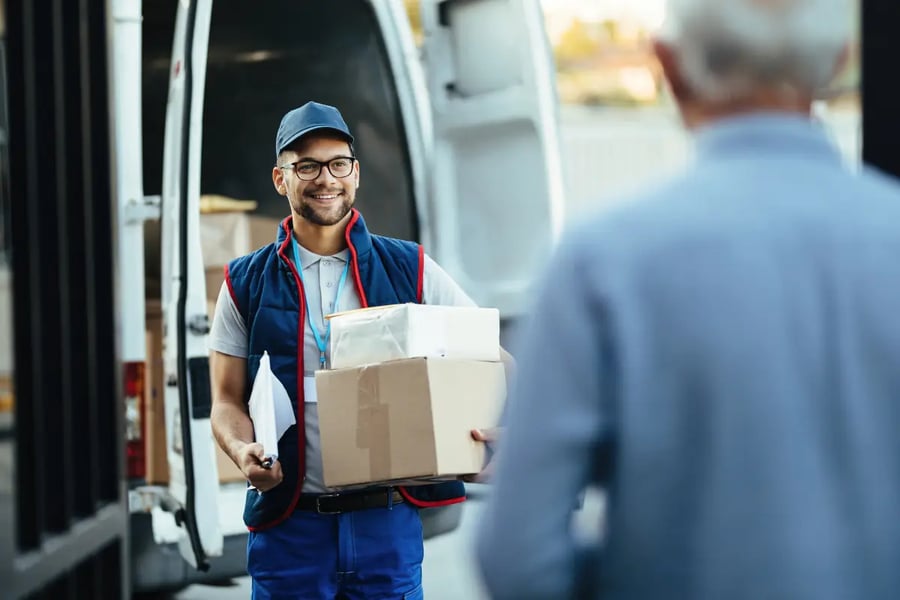
Last-mile delivery is where local businesses either protect customer trust or lose it. The order may be accurate, the product may be strong, and the price may be fair, but a late or confusing delivery can still create complaints.
For local businesses, delivery affects cost, staffing, reviews, repeat orders, and customer service workload.
A better strategy starts with tighter zones, cleaner order data, better routing, clear communication, and consistent proof of delivery.
Define Your Delivery Area
A delivery area should be based on service quality, not only distance. A five-mile radius may include traffic bottlenecks, apartment complexes, parking limits, school zones, and hard-to-access streets.
Map your delivery area by real drive time.
Separate standard zones from extended-service zones. The core zone should be where the business can deliver reliably during normal demand.
Extended zones may need higher fees, longer windows, or scheduled delivery days.
This prevents overpromising and protects driver capacity.
Use Better Dispatch Technology
Manual dispatch can work at low volume, but it becomes unstable as order count grows. Spreadsheets, phone calls, printed tickets, and driver texts create gaps when several deliveries are active at once.
Businesses using last mile delivery management software can centralize orders, route planning, driver assignments, customer updates, and delivery status in one workflow.
The value is visibility.
Managers can see what is waiting, what is in transit, which driver is delayed, and which stops are complete.
That visibility helps prevent missed orders and poor communication.
Improve Order Data Quality
Delivery problems often begin with weak order data. Missing apartment numbers, wrong phone numbers, unclear access notes, and vague delivery instructions waste driver time.
Every delivery order should include the information needed to complete the stop without extra calls.
Required Delivery Fields
Useful fields include:
- Customer name
- Full delivery address
- Apartment or suite number
- Contact number
- Delivery window
- Access instructions
- Package size
- Special handling notes
- Proof-of-delivery requirement
Clean data reduces failed stops and support tickets.
Build Routes Around Time Windows
Local businesses often deliver to customers with different expectations. A restaurant order may need fast handoff. A florist may need a specific arrival window. A retailer may offer scheduled local delivery.
Routes should reflect timing requirements.
Do not build routes only by distance. Group nearby stops, then sequence them by promised delivery window, traffic conditions, driver workload, and product sensitivity.
Reduce Failed Deliveries
Failed deliveries create repeat trips, wasted fuel, refund risk, and extra customer service work. Common causes include poor address data, narrow time windows, locked buildings, customer unavailability, and unclear drop-off rules.
Track every failed delivery reason.
If one apartment complex causes repeated issues, add access notes. If one zone causes late deliveries, adjust the service window. If customers miss handoffs, improve notification timing.
Communicate Before Customers Ask
Customers should not need to call for basic delivery updates. A strong last-mile process sends the right message at the right time.
Use order confirmations, driver assignment updates, estimated arrival windows, delay alerts, and delivery completion notices.
Customer Updates to Send
Useful messages include:
- Order received
- Order being prepared
- Driver assigned
- Out for delivery
- Delay notice
- Delivered confirmation
- Failed delivery notice
Good communication lowers inbound calls and improves trust.
Use Proof of Delivery
Proof of delivery protects the business and the customer. It confirms that the order reached the correct location or person.
Depending on the business, proof may include a photo, signature, timestamp, GPS record, recipient name, or delivery note.
High-value items, business deliveries, food orders, and fragile products may need different proof rules.
Monitor Delivery Cost
Delivery can become expensive if no one tracks cost per order. Fuel, labor, packaging, vehicle wear, insurance, failed deliveries, and support time all affect margin.
Track delivery cost by zone, order type, driver, and service level.
If a route is consistently unprofitable, review pricing, distance, volume, and delivery window promises.
Some areas may need minimum order values or delivery fees.
Final Thoughts
Local businesses can improve last-mile delivery by tightening zones, using better dispatch tools, improving order data, planning routes around time windows, tracking failed stops, and communicating clearly.
When delivery workflows are structured well, businesses reduce costs, improve reliability, and give customers a reason to order again.


