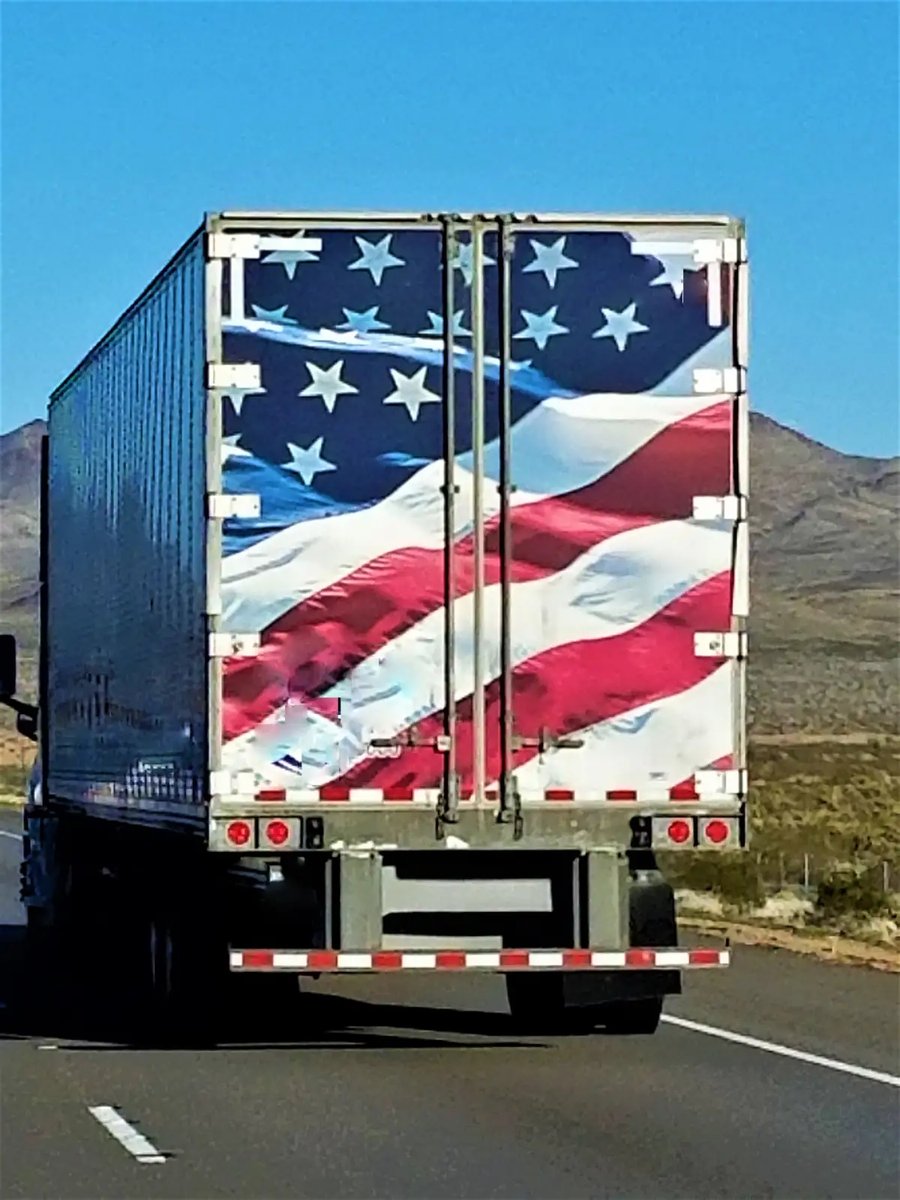
Today, trying to run a business in America, whether you’re an owner/operator with a truck, a regional courier service, or simply an owner of a business that crosses state lines, it means squeezing profits out of razor-thin margins as customers expect “to get it now.”
Efficiency isn’t an option anymore — it’s perhaps the difference between success and going out of business. For businesses with wheels, the pressure is that much greater. The good news is that technology and new ways of thinking about mobility have the potential to change the business landscape for the better.
Why Operational Efficiency Matters More Than Ever
American companies continue to waste thousands of dollars each year through human decisions. Fuel waste, engine idling, unplanned maintenance downtime, driver errors, disparate and unconnected systems, and slow time to decisions. These symbiotic factors flip the coin of profitability on its head. In an era when labor, fuel, insurance, and compliance are on the increase, and any potential offshore labor advantage is being outstripped by the last-mile delivery challenges, the advantages of efficiency can’t be exaggerated. That same efficiency also provides the agility necessary to compete in the speed of business in U.S. markets.
When Connectivity Becomes a Competitive Edge
One of the key trends that we see shaping the U.S. market is increased connectivity in business operations. Firms are no longer prepared to piece together a disparate collection of tools to help them manage vehicles, drivers, communications, or data. Instead, they are switching to full-stack providers like Radius, which make it easy to coordinate all those elements, all in one place. And here’s where partners like Radius come in: by providing customers with everything they need in one place (fuel cards, telematics, leasing, telecoms, EV charge points, and much more besides), we are offering to the U.S. market a more efficient, coordinated way of keeping their teams on the road than working with three or four different vendors.
Telematics: The Technology Changing the Way Fleets Work
For those who manage and operate American fleets of trucks and commercial vehicles, telematics has become increasingly less of a “nice to have” and more of a “must-have.” The technology, either hardwired or app-based, provides visibility into the real-time activity of vehicles, including data about location, availability, performance, driver behavior, idle time, and route efficiency. With volatile fuel prices and increasingly stringent safety mandates, U.S. businesses with commercial vehicles and trucks are using this data to cut costs, mitigate risk, and provide more accurate delivery windows. Now, it’s more difficult for a regional trucking fleet in Texas, a commercial paving business in California, or any team providing commercial landscaping services to keep guessing. Fortunately, they have the ability to optimize.
The Rise of Alternative Fuel and EV Readiness
The other massive trend happening in the U.S. is the rapid move toward electrification. Adoption rates for electric vehicles (EVs) are still all over the map by state, but many companies are planning ahead by investing in new charging infrastructure, adopting strategies for right-sizing their combustion fleets and/or implementation of right-sized hybrid fleets, and/or testing new sustainability programs with an EV pilot. Companies are also thinking more about the business case for becoming more electrified. Decrease in maintenance costs, stable energy prices, as well as more and more state and local incentives are significant benefits to consider.
The Bottom Line: Smart Mobility Isn’t Optional
In a place as immense and logistically complex as America, businesses that use transportation to deliver their products and services cannot afford to rely on siloed or outmoded solutions. Efficiency, connectivity and intelligent mobility underpin the competitiveness of companies in the US, and whether that is through telematics or more intelligent management of fuel, solutions to communicate in more joined up way or simply gaining more flexibility through leasing, it is those companies that turn to innovation that remain on the road and remain ahead of the curve.
Copyright © 2025 California Business Journal. All Rights Reserved.
For California Business Journal Disclaimers, go to /terms-conditions/.


