
Workplace security used to be a background concern. Something you handled once, ticked off, and trusted would keep working quietly in the background.
That mindset no longer holds.
You’re operating in a world where threats shift faster than policies, where physical and digital risks overlap, and where employees expect safety to be designed into the environment, not bolted on after something goes wrong. Security has become strategic. It shapes trust, productivity, and resilience in ways many businesses are only just starting to recognize.
If you’re responsible for protecting people, assets, or continuity, the question isn’t whether workplace security has changed. It’s whether your approach has changed with it.
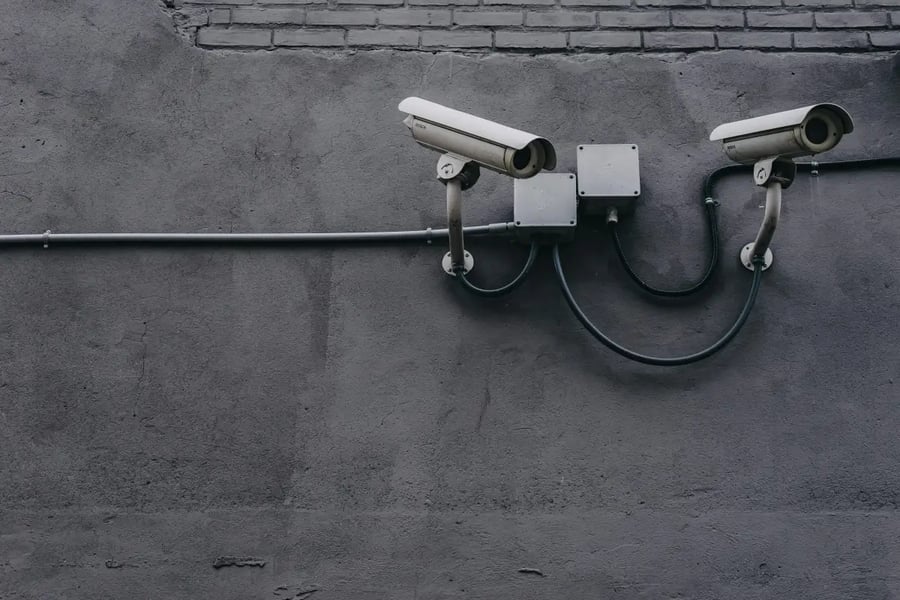
Why Traditional Security Thinking No Longer Cuts It for Modern Workplaces
Static defences in a dynamic risk environment
Traditional security models assume predictable threats. Fixed entry points. Known working hours. Stable employee populations. That assumption breaks down the moment your workforce becomes hybrid, your buildings become smarter, and your risks become more varied.
You can’t rely on yesterday’s perimeter thinking when threats now emerge from insider access, tailgating, credential misuse, or gaps between disconnected systems.
The false comfort of “we’ve always done it this way”
Legacy systems often remain in place not because they’re effective, but because replacing them feels disruptive. The problem is that attackers don’t respect legacy thinking. They exploit blind spots created by outdated assumptions and fragmented controls.
Security that isn’t regularly reassessed becomes invisible until it fails.
When safety becomes a leadership issue
Employees notice when security feels reactive or performative. Poorly designed security slows people down, frustrates teams, and signals a lack of preparedness. Thoughtful security, on the other hand, communicates care, competence, and credibility from leadership.
You Can’t Ignore the Latest Physical Security Trends (What the Genetec Physical Security Report Found)
Security convergence is no longer optional
One of the clearest signals from recent industry research is the move away from siloed systems. Video, access control, visitor management, and analytics are increasingly expected to work together, not live in separate dashboards managed by different teams.
When systems converge, context improves. When they don’t, gaps multiply.
Visibility matters as much as prevention
Modern security isn’t just about stopping incidents. It’s about understanding what’s happening across your facilities in real time. Business leaders want visibility, not just alerts after the fact.
That shift changes how security teams operate. They become risk analysts, not just gatekeepers.
Data-driven decisions are replacing gut feel
Physical security data is now being used to inform staffing decisions, space usage, incident response planning, and compliance reporting. When your security systems generate insights instead of noise, they become part of operational intelligence rather than an isolated cost centre.
The Role of Building Access Control Systems in Protecting Employees and Assets
Access is no longer binary
Modern access control isn’t simply about who gets in and who stays out. It’s about context. Time of day. Role. Location. Behaviour patterns. Temporary permissions. Revocation speed.
When you design access intelligently, you reduce risk without adding friction.
Where flexibility meets accountability
The most effective building access control systems allow you to adapt permissions quickly while maintaining a clear audit trail. That balance matters when contractors rotate frequently, teams work across locations, or roles change faster than badges can be reissued.
Security should move at the speed of your business, not slow it down.
Access as a trust signal
When employees don’t have to fight the system to do their jobs, they trust it more. Well-designed access controls feel invisible when they’re working properly. That invisibility is not weakness. It’s maturity.
What Business Leaders Should Evaluate in Their Security Tech Stack
Integration before expansion
Adding more tools doesn’t automatically make you safer. In fact, it often creates blind spots. The smarter move is to assess how well your existing systems talk to each other and where integration could reduce complexity.
Disconnected tools create fragmented awareness. Integration creates clarity.
Copyright © 2026 California Business Journal. All Rights Reserved.
For California Business Journal Disclaimers, go to /terms-conditions/.


