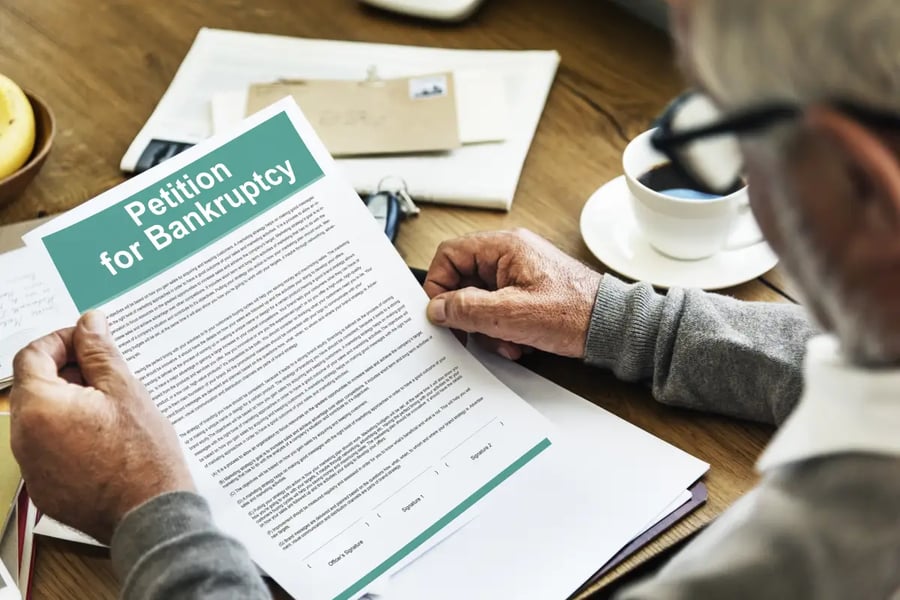
The Chapter 13 bankruptcy offers a lifeline for Pennsylvania residents who want to keep their assets while reorganizing their debts. Unlike Chapter 7, which liquidates assets, Chapter 13 allows you to retain property by repaying creditors through a court-approved payment plan over three to five years.
What is Chapter 13 Bankruptcy?
Chapter 13, often called "wage earner's bankruptcy," enables individuals with regular income to restructure their debts into manageable monthly payments. You'll work with the bankruptcy court to create a repayment plan based on your income, expenses, and debt levels. After completing the plan, remaining eligible unsecured debts may be discharged.
This option particularly benefits homeowners facing foreclosure, as it can stop the process and allow them to catch up on missed mortgage payments over time.
Eligibility Requirements
To qualify for Chapter 13 in Pennsylvania, you must have regular income sufficient to make monthly plan payments. There are also debt limits: your unsecured debts must be less than $465,275 and secured debts less than $1,395,875 (these amounts adjust periodically for inflation).
Like Chapter 7, you must complete credit counseling from an approved agency within 180 days before filing. You also cannot have had a bankruptcy case dismissed within the past 180 days under certain circumstances.
Preparing Your Financial Documents
You'll need comprehensive financial records including recent pay stubs, tax returns from the past four years, a complete list of assets and their values, all debts and monthly obligations, and a detailed budget of monthly income and expenses. Pennsylvania bankruptcy courts require meticulous documentation, so accuracy is essential.
Creating Your Repayment Plan
The heart of Chapter 13 is your repayment plan, which determines how much you'll pay creditors monthly and for how long. If your income is below Pennsylvania's median income for your household size, your plan typically runs three years. Above-median filers usually commit to five-year plans.
Your plan must pay priority debts in full, including recent taxes, child support, and alimony. Secured creditors like mortgage and car lenders receive at least the value of their collateral. Unsecured creditors like credit card companies receive whatever remains based on your disposable income.
Filing Your Petition
You'll file your Chapter 13 petition with the appropriate U.S. Bankruptcy Court district in Pennsylvania—Eastern, Middle, or Western—based on your residence. The filing immediately triggers an automatic stay, halting foreclosures, repossessions, wage garnishments, and collection calls.
Within 14 days of filing, you must submit your proposed repayment plan. You'll also need to begin making plan payments to the trustee within 30 days of filing, even before the plan is confirmed.
The Meeting of Creditors
About 20 to 40 days after filing, you'll attend a meeting of creditors where the trustee reviews your case under oath. The trustee examines your income, expenses, and proposed plan to ensure it meets legal requirements and treats creditors fairly. Creditors may attend to ask questions or raise objections, though this is relatively uncommon.
Confirmation Hearing
Within 45 days of the creditors' meeting, the bankruptcy court holds a confirmation hearing to approve or reject your repayment plan. Creditors can object if they believe the plan doesn't comply with bankruptcy law or doesn't allocate payments fairly. The judge may require plan modifications to address objections before confirming it.
Once confirmed, you're legally bound to make payments according to the plan's terms.
Making Your Plan Payments
For the next three to five years, you'll make monthly payments to the bankruptcy trustee, who distributes funds to creditors according to your plan. Consistency is critical—missed payments can result in case dismissal. If your financial situation changes significantly, you may request plan modifications through the court.
Completing Your Plan
After making all required payments, you must complete a debtor education course from an approved provider. Once the trustee confirms you've fulfilled all plan obligations, the court issues a discharge order eliminating remaining eligible unsecured debts.
Key Advantages
Chapter 13 offers several benefits over Chapter 7. You can stop foreclosure and keep your home while catching up on missed payments. You may reduce car loans to the vehicle's current value if you've owned it long enough. You can also protect non-exempt assets that would be liquidated in Chapter 7.
Important Considerations
Chapter 13 requires discipline and commitment. You'll live under a strict budget for years, and your financial life will be supervised by the trustee. Not all debts are dischargeable—student loans, recent taxes, and domestic support obligations typically remain. The bankruptcy will impact your credit for seven years from filing.
Getting Legal Help
Chapter 13 bankruptcy is more complex than Chapter 7, with intricate plan calculations and ongoing court supervision. Most filers benefit significantly from working with an experienced bankruptcy attorney who can craft an effective repayment plan, negotiate with creditors, and navigate Pennsylvania's specific bankruptcy procedures.
If you're struggling with debt but have regular income and want to protect your assets, Chapter 13 may provide the structure you need to regain financial stability.
Copyright © 2025 California Business Journal. All Rights Reserved.
For California Business Journal Disclaimers, go to /terms-conditions/.


