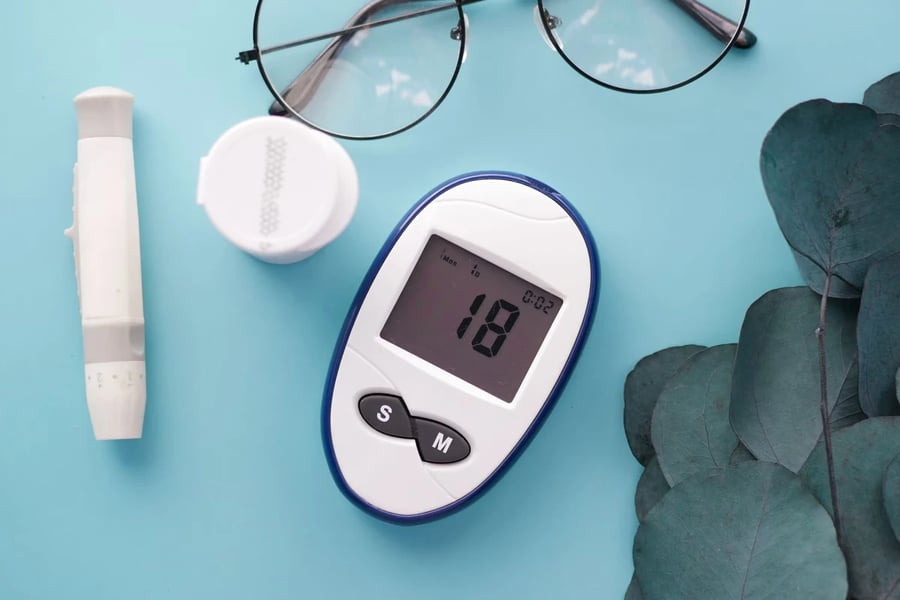
Blood sugar regulation is an important part of metabolic health, yet it is often discussed only in the context of diabetes. In reality, glucose metabolism involves a complex system of digestion, insulin production, cellular energy use, and the way the body stores and releases glucose throughout the day.
Berberine has attracted attention because research suggests it may influence several of these processes. The plant-derived compound has been studied for its potential effects on blood glucose, insulin sensitivity, and other markers of metabolic health.
But what does the research actually show? And who might have a reason to consider berberine supplementation? Keep reading to learn more.
What Is Berberine?
Berberine is a naturally occurring compound found in several plants, including barberry, goldenseal, Oregon grape, and tree turmeric. Plants containing berberine have a long history of use in Ayurvedic and traditional Chinese medicine. Today, isolated berberine is commonly available as a dietary supplement.
Interest in berberine has increased largely because of research investigating its relationship with glucose and lipid metabolism. It has also become popular in conversations surrounding weight management, although evidence for weight loss remains less conclusive than some online claims suggest.
How Does the Body Regulate Blood Sugar?
After carbohydrates are eaten, the digestive system breaks many of them down into glucose. Glucose enters the bloodstream and provides an important source of energy for cells.
As blood glucose rises after a meal, the pancreas releases insulin. Insulin helps move glucose from the bloodstream into cells, where it can be used for energy or stored for later use.
This process becomes more complicated when insulin sensitivity decreases. When cells become less responsive to insulin, the body may need to produce more insulin to achieve the same effect. Over time, impaired insulin sensitivity can contribute to elevated blood glucose and increase the risk of developing type 2 diabetes.
This is where the relationship between berberine and blood sugar becomes particularly interesting.
Berberine, Glucose Metabolism, and Insulin Sensitivity
Research suggests that berberine may influence several pathways involved in glucose metabolism, including how the body produces, uses, and stores glucose. One area of interest is cellular energy regulation, with research indicating that berberine may influence glucose production by the liver and how the body responds to glucose after eating. Studies have found potential improvements in several markers of glucose regulation, including fasting glucose and HbA1c.
Berberine may also be relevant to insulin sensitivity, which describes how effectively the body's cells respond to insulin. When insulin sensitivity is good, relatively small amounts of insulin can help move glucose from the bloodstream into cells. When sensitivity is reduced, the body may compensate by producing more insulin. Research has found that berberine supplementation may improve fasting insulin and HOMA-IR, a commonly used measure associated with insulin resistance, along with fasting glucose and HbA1c.
Why this matters
Even for people without diabetes, paying attention to glucose and insulin metabolism can be an important part of supporting long-term metabolic health. The body relies on stable glucose regulation to provide energy, and changes in insulin sensitivity can develop gradually before blood sugar reaches the levels associated with diabetes. Factors such as diet, physical activity, sleep, stress, and body composition can all influence how effectively the body responds to insulin. Supporting healthy glucose metabolism early may therefore help maintain metabolic health over time, rather than waiting until a blood sugar problem develops.
Who May Be Interested in Berberine Supplementation?
A berberine supplement may be of interest to adults who are already paying attention to their metabolic health and want to explore evidence-based supplementation with a healthcare professional.
Research has primarily focused on people with conditions such as type 2 diabetes, impaired glucose regulation, insulin resistance, and other metabolic concerns. As such, berberine may help lower blood glucose, reduce insulin resistance, and improve lipid metabolism in people with type 2 diabetes.
Someone with normal blood sugar also should not assume that taking berberine will provide additional benefits simply because research has found effects in people with metabolic concerns.
Is Berberine a Replacement for Diabetes Medication?
No, berberine is not a replacement for diabetes medication. This distinction is particularly important because berberine is sometimes marketed online as a "natural" replacement for diabetes medication. Current evidence does not support using it in place of prescribed treatment.
People taking medication for blood sugar management should discuss berberine with their healthcare provider before adding it to their routine. Berberine can interact with medications and may cause gastrointestinal side effects such as nausea, diarrhea, constipation, or bloating.
Dietary supplements can also differ in formulation, dosage, and quality, meaning results from a research study cannot necessarily be assumed to apply to every berberine product on the market.
Summary
Berberine supplementation may improve several markers related to glucose metabolism, including fasting glucose, post-meal glucose, insulin levels, and measures of insulin resistance.
Still, correlation should not be confused with a guaranteed outcome. The available research has limitations, including differences in study populations, dosages, formulations, and study quality.
Berberine is best considered as a potential supplement to (not a replacement for) a balanced diet and healthy lifestyle. For individuals interested in supporting metabolic health, the foundation remains consistent: eating a nutrient-dense diet, prioritizing fiber and protein, staying physically active, getting adequate sleep, and working with a healthcare professional when blood sugar or insulin sensitivity is a concern.
Berberine may have a place within that bigger picture, but the evidence supports a measured approach rather than viewing it as a quick fix for blood sugar.
Copyright © 2026 California Business Journal. All Rights Reserved.
For California Business Journal Disclaimers, go to https://calbizjournal.com/terms-conditions/.


