On Nov. 3, the Internal Revenue Service announced that its “Direct File” program won’t return in 2026. That’s good news for California taxpayers.
Direct File was launched with good intentions — as a way for the IRS to prepare and file your taxes for free. On paper, it sounded simple: let the government handle the paperwork and save families money on tax prep. But in practice, it too often did the opposite, leaving California’s working families, students, and retirees paying more than they owed.
As someone who represented Orange County for two decades in Congress, I know firsthand that Californians don’t need another confusing, one-size-fits-all experiment run out of Washington. We need fair rules, accessible information, and help targeted to those who truly need it.
According to a report from the Treasury Department’s Inspector General, one of Direct File’s most serious flaws was a bug that prevented taxpayers from claiming key education tax credits — like the American Opportunity Tax Credit, which is worth up to $2,500 per student. In a state with more than 2 million college students, this system error was unforgiveable.
Here in Orange County, more than 140,000 students attend higher education classes, and many of them come from working class families that are stretching every dollar that comes in the door to cover tuition, rent, and gas. To think that they missed out on a $2,500 credit by using the IRS’s own software — which most would think is the most trustworthy software out there –— is extremely disappointing, to say the least.
Californians are already struggling mightily with inflation. Nearly six in ten of the state’s low-income households spend more than half of their income just keeping a roof over their heads. After housing, they have precious little left for groceries, let alone tax payments that should have been reduced by credits they rightfully earned.
Direct File’s defenders claimed it would make filing easier, but taxpayers voted with their keyboards. According to the inspector general report, out of 30 million eligible taxpayers, only about 423,000 signed up for Direct File, and just 140,000 of those 423,000 actually filed through the system.
A Treasury audit summed up the reason: taxpayers “did not like Direct File’s limited tax scope and its complexity.” In other words, even people who tried it found it confusing. That shouldn’t surprise anyone who’s ever waited on hold with the IRS for hours or struggled to get a straight answer from a government website.
The IRS is already stretched too thin. It’s still catching up on taxpayer inquiry backlogs, replacing its outdated technology, and working on improving its customer service after years of underfunding. Running a national tax prep business on top of all that was biting off more than it could chew.
There are better ways to help low- and middle-income taxpayers without turning the tax collector into the accountant. In fact, the IRS already partners with trusted nonprofit and community groups through programs like Volunteer Income Tax Assistance (VITA) and Free File. These services help qualifying families file for free while still letting independent software and preparers compete to innovate and improve the experience.
In California, we pride ourselves on technology and innovation, but also on accountability. When government gets too ambitious, it risks losing sight of the people it’s meant to serve.
And now, the end of Direct File gives us a chance to rethink what “simplifying taxes” should really mean.
Instead of pouring more money into a federal software project, Washington should focus on streamlining the tax code itself: fewer special interest deductions, simpler tax credits that working families can actually claim, and more transparent communication from the IRS. Let’s make taxes easier to pay — not easier to overpay.
Tax season is stressful enough without wondering if the government’s own filing tool will shortchange you. By shelving Direct File, the IRS made the right call. Californians — especially our students, families, and retirees — deserve a fair, functional tax system that works for them, not against them.
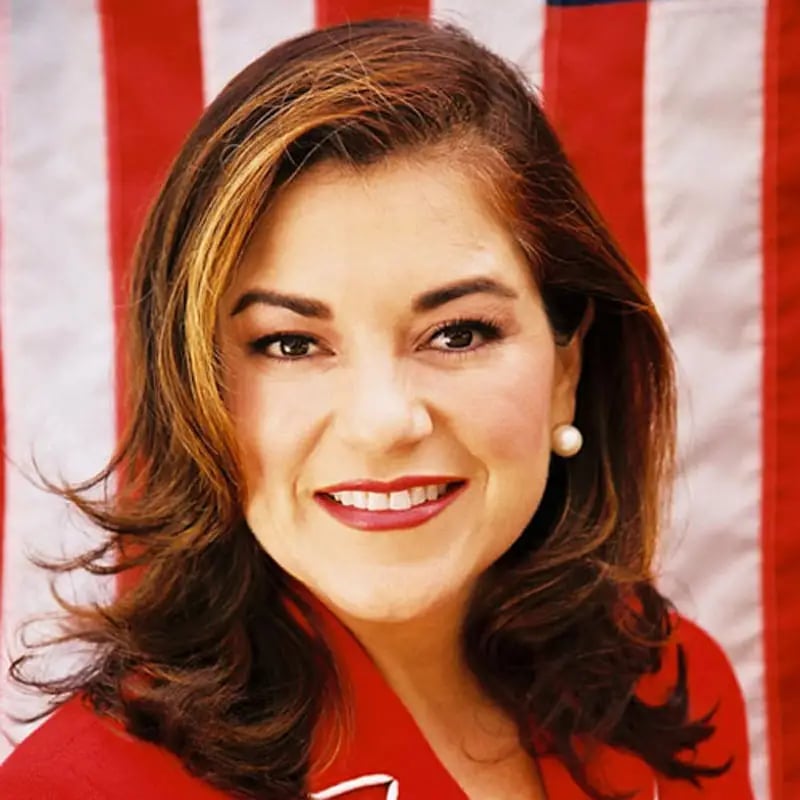
Sánchez, a Democrat, represented Orange County in the United States Congress from 1997 to 2017. She served on the Joint Economic Committee.
Copyright © 2025 California Business Journal. All Rights Reserved.
For California Business Journal Disclaimers, go to /terms-conditions/.


