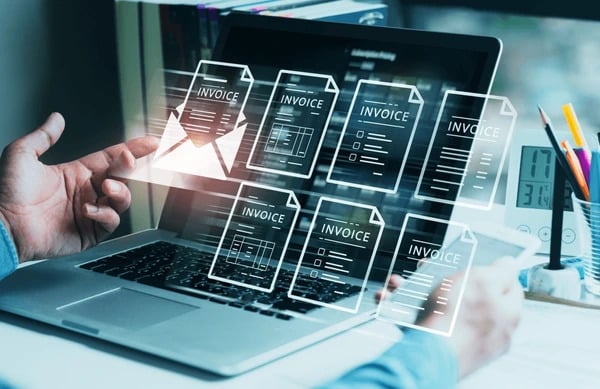
Companies are under constant pressure to manage cash flow efficiently, strengthen vendor relationships, and ensure accuracy in financial reporting.
Effective AP management isn’t just about paying bills on time; it’s about building streamlined processes, using automation, and ensuring strong financial controls that support the entire procure-to-pay process.
One of the most effective ways to achieve these goals is by adopting accounts payable management best practices.
This in-depth guide explores what accounts payable management entails, common challenges companies face, best practices for optimizing AP workflows, the tools that can help, and the benefits of a well-run accounts payable function.
What is Accounts Payable Management?
Accounts payable management encompasses a company's methods for managing its short-term debts to vendors and suppliers. This includes the entire process from receiving and processing invoices to approving payments, monitoring liabilities, and maintaining precise financial records.
At its core, accounts payable management aims to:
- Ensure timely payments to suppliers
- Improve cash flow management
- Avoid duplicate or fraudulent payments
- Enhance efficiency in the accounts payable workflow
When done right, AP management contributes significantly to a company’s financial health and operational stability.
Common Challenges in Accounts Payable
Even though accounts payable is a fundamental function of every business, managing it effectively can be challenging. Here are some common hurdles organizations encounter:
1. Manual and Paper-Based Processes
Traditional AP processes often rely on paper invoices and manual data entry, which slows down operations and increases the risk of errors.
2. Inefficient Invoice Processing
Bottlenecks can hold up invoice approvals for days or weeks, slowing down the entire payment process.
3. Poor Visibility
Without a centralized system, finance teams often lack real-time insights into outstanding payables, making it difficult to manage cash flow proactively.
4. Duplicate and Fraudulent Payments
Weak internal controls can result in duplicate payments or fraudulent invoices slipping through the cracks.
5. Compliance Risks
Failure to maintain proper documentation and adhere to established financial controls can lead to audit issues and regulatory penalties.
6. Strained Vendor Relationships
Late payments and lack of communication damage relationships with suppliers, potentially affecting future terms and service quality.
These challenges highlight why adopting structured accounts payable management best practices is critical for modern organizations.
Best Practices for Accounts Payable Management
Improving AP performance starts with building a strategy that focuses on efficiency, accuracy, and control. Below are actionable accounts payable management best practices you can implement:
1. Standardize Your Accounts Payable Workflow
To improve the efficiency of accounts payable management, it is important to have a well-documented procure-to-pay process that everyone in the organization follows. This process should include clear and structured steps starting from the receipt of invoices, followed by their validation, approval, and final payment. By integrating digital workflows, companies can ensure that these steps are carried out consistently across departments, reducing errors and improving overall accuracy.
2. Automate Invoice Processing and Payments
You can enhance your accounts payable process by implementing automation software that captures invoice data electronically using OCR and AI.
Once invoices are digitized, they can be automatically routed to the appropriate approvers, reducing delays caused by manual handling.
In addition, using payment automation tools streamlines payment scheduling and minimizes repetitive manual tasks.
Altogether, these automation strategies significantly reduce processing times, minimize errors, and improve transparency throughout the entire AP function.
3. Strengthen Internal Controls
In accounts payable management, it is important to segregate duties so that no single individual has full control over the entire payment process. This separation of responsibilities reduces the risk of errors and fraudulent activities.
Additionally, companies should require multi-level approvals for large or unusual invoices, ensuring that significant payments are reviewed by more than one person before being processed.
Finally, regular audits should be conducted to verify compliance with financial policies, helping organizations maintain strong internal controls and identify areas for improvement.
4. Improve Vendor Management
Build strong supplier relationships by focusing on clear communication and making payments on time.
Maintaining an up-to-date vendor master file is crucial for preventing errors and facilitating smooth transactions.
Whenever possible, negotiate favorable terms with suppliers, such as early payment discounts, to improve cash flow and strengthen partnerships.
By following these practices, businesses can transform AP from a back-office function into a strategic driver of efficiency and value.
Tools & Technologies to Improve AP Processes
Technology significantly enhances the optimization of accounts payable processes. The following tools can help modernize your AP function:
1. AP Automation Software
These systems streamline invoice handling, approval processes, and payment timelines. Features often include:
- Electronic data capture
- Automated matching of invoices with purchase orders
- Approval routing
- Audit trails and compliance reporting
2. Cloud-Based Accounting Systems
Cloud solutions provide real-time access to data, enabling better collaboration between departments and remote teams.
3. Electronic Payment Solutions
Using ACH transfers, virtual credit cards, and other electronic methods helps eliminate delays associated with paper checks.
4. AI and Machine Learning Tools
Advanced analytics and AI-based fraud detection help flag anomalies, preventing fraudulent or duplicate payments before they occur.
5. Vendor Portals
Vendor self-service portals allow suppliers to upload invoices, track payment status, and update contact information, reducing administrative work for your AP team.
Benefits of Optimized Accounts Payable Workflow
Implementing accounts payable management best practices and leveraging modern technology deliver several important benefits:
- Increased Efficiency: Automated workflows expedite invoice processing and reduce manual effort, thereby saving time for finance teams.
- Improved Accuracy: Automation significantly reduces errors caused by manual data entry.
- Better Cash Flow Management: Real-time visibility into outstanding payables allows businesses to plan payments and manage cash reserves more effectively.
- Stronger Internal Controls: Automated approval routing, audit trails, and segregation of duties strengthen compliance and reduce fraud risks.
- Cost Savings: Reducing late fees, taking advantage of early payment discounts, and minimizing errors result in financial savings.
- Enhanced Vendor Relationships: Paying suppliers accurately and on time fosters trust, which can lead to improved pricing and service agreements.
- Scalability: As your business grows, automated systems can handle a larger volume of invoices without requiring proportional increases in staff.
In an era where efficiency and accuracy are crucial, adopting accounts payable management best practices is essential for businesses that want to stay ahead.
By streamlining your accounts payable workflow, automating key processes, strengthening internal controls, and focusing on vendor management, your company can transform AP from a basic back-office function into a strategic asset.
The time to act is now. Evaluate your current processes, explore modern AP automation software, and implement these best practices to enhance financial performance, reduce risks, and improve cash flow.
Copyright © 2025 California Business Journal. All Rights Reserved.
For California Business Journal Disclaimers, go to /terms-conditions/.


