A tumultuous time became even more so on the last day of February when the United States commenced with airstrikes on Iran. Within days, the hope that it would be a very short-lived campaign faded The United States and Israel were officially at war with Iran.
For most Americans, this is breaking news. For veterans who served in Iraq, Afghanistan, or anywhere in the Middle East, this is something else entirely. It's personal and opens painful emotional wounds in ways that you can’t understand unless you serve.
The Moral Injury of Watching It Start Again
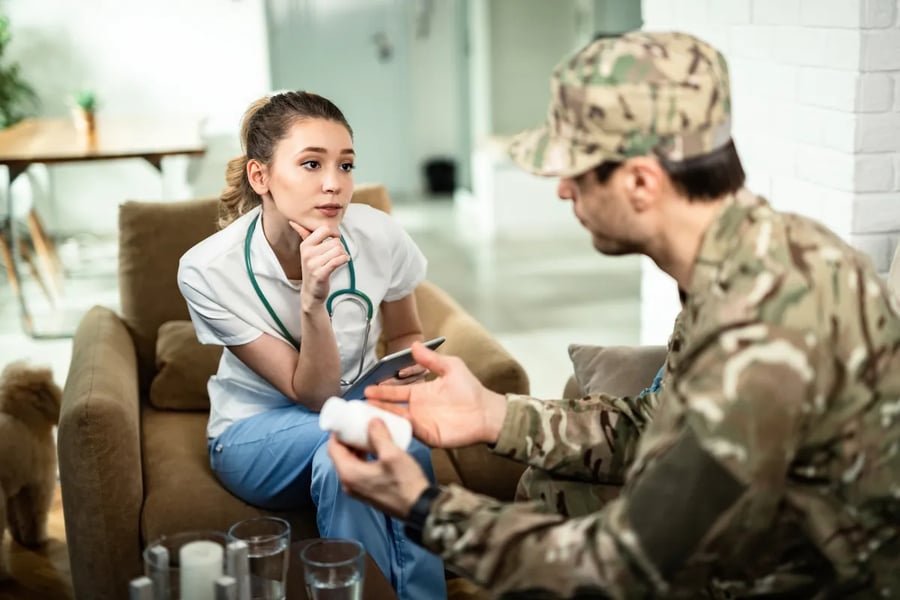
Years of treating veterans at Confidential Recovery has helped me understand that there's a particular exhaustion that comes with watching your country go back to war in a region where you left a part of yourself.
There is an implied promise when you commit to military service that your sacrifice will be for something meaningful.
You lost friends. You came back changed. You've spent years trying to move forward from what happened over there, only to be surrounded by new images of explosions and bloodshed. It can feel like the sacrifices you made didn’t matter.
Mental health professionals call this moral injury—the psychological wound that comes from feeling betrayed by authorities you trusted. Watching the country go back to war while the previous wars are still unresolved creates exactly that kind of injury.
The Visual Triggers Are Everywhere
The news coverage itself is a minefield. Images of strikes on Middle Eastern cities. Footage of troops deploying. Maps of the region you know too well. Commentary from people who've never been there talking about strategy and acceptable casualties.
For veterans with PTSD, these aren’t just current events. They are constant reminders of the worst experiences of their lives.
Some veterans cope by watching the footage very closely, with a need to feel informed and connected to “their war,” even if they’ve been home for years. This is not recommended.
Others shut it out completely. They can't watch the news and avoid social media. But that doesn't stop the anxiety that comes with knowing it's happening, whether you're watching or not.
The Complicated Feelings About Service Members Deploying Now
If we see troops move to the region, veterans’ emotions will be complicated. They will be concerned for the young service members who are about to experience hell-on-earth. They will know how it will change them for the worse but feel helpless to stop it.
But, there's also envy, which feels terrible to admit. Some part of the veteran misses the clarity of being deployed. The sense of purpose. The brotherhood. The feeling that what you are doing mattered and is making a difference in the world.
And there's guilt. Guilt that you're not there. Survivor’s guilt for making it home when others you were deployed with did not. The rational part of your brain knows you did your time, but the part that was trained to never leave a fight feels like you're abandoning your people.
When Old Wounds Open Back Up
For veterans in recovery from PTSD who've been managing their mental health, watching the news right now can destabilize everything they've built. If substance misuse is part of the veteran’s recovery story, then the stakes are even higher.
The veteran who's been sober for three years suddenly finds himself thinking about drinking again because it's the only thing that used to quiet his mind when the war felt too close. The veteran who's been managing her PTSD symptoms through therapy finds that her nightmares are back and more vivid than they've been in years. The veteran who thought he'd processed his combat trauma discovers that watching the country go back to war brings up rage and grief he thought he'd worked through.
This isn't weakness. This isn't failure. This is what happens when the thing you've been trying to heal from starts happening again in real time on every screen.
What Veterans Need Right Now
If you're a veteran who is having bad feelings around what's happening right now, remember that your feelings are valid. The anger, the grief, the confusion, the sense of betrayal, the worry for service members deploying, the complicated mix of wanting to be there and being grateful you're not—all of it makes sense given what you've been through.
It's recommended that you limit your news consumption. You don't have to watch every update. You don't have to read every analysis. You don't have to explain to civilians why this conflict is personal to you.
Reaching out to other veterans can be transformative. These are the people who may understand what you're feeling the best. Whether it's your old unit, a veterans' organization, or just that one buddy who gets it, don't isolate yourself right now.
If you're thinking about drinking or using drugs to self-medicate, talk to someone first. The substances don’t make the feelings go away—they just delay having to deal with them while making everything worse. There are many veterans-in-recovery who understand both the pull toward substances and the reasons why they don't actually work.
You Don't Have to Handle This Alone
At Confidential Recovery, we work with a lot of veterans. We have veterans on our staff. We understand the specific ways that military service affects how you process trauma and stress.
If what's happening right now is making it harder to stay sober, if your PTSD symptoms are getting worse, if you're having thoughts about harming yourself, there's help available that understands where you're coming from.
Treatment for veterans should be more than getting lectured by civilians who've never served. It can be about working with people who understand military culture, who know what deployment does to you, who get why this news cycle is hitting you so hard.
You served. You did what your country asked of you. You don't have to suffer in silence now just because the war never really ended.
The San Diego VA is here. The Veterans Navigation Center is here. Organizations like the San Diego Veterans Coalition are here. And we're here. Nobody expects you to handle this alone.
Whatever you're feeling right now, you're not the only veteran feeling it. And there are people who can help you get through this without destroying what you've built since you came home.
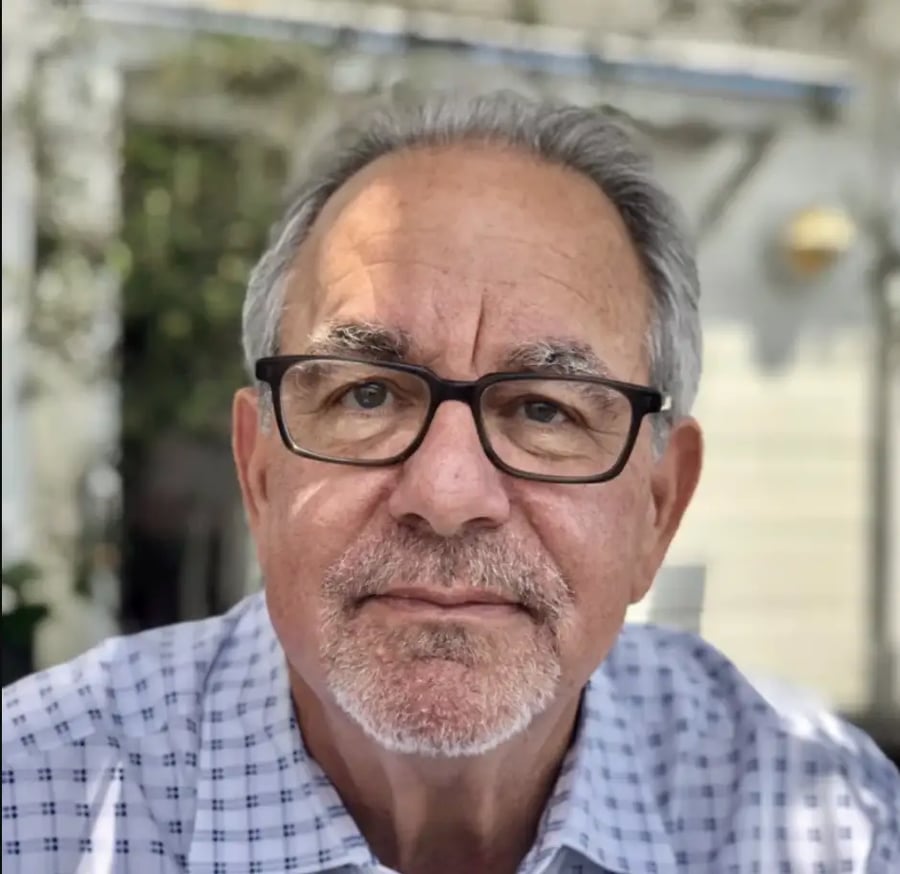 Scott H. Silverman is the Founder and CEO of Confidential Recovery, a San Diego outpatient substance abuse treatment center that specializes in helping veterans. With nearly 40 years of experience in addiction and recovery, Scott was honored by the City of San Diego with "Scott H. Silverman Day" in 2008 for his contributions to the field. Scott is also a founder and board member of The Veterans Navigation Center, a San Diego-based organization that helps Veterans transition to civilian life. Scott’s most recent book, ‘You’re Not God, That Job is Taken.’
Copyright © 2026 California Business Journal. All Rights Reserved.
For California Business Journal Disclaimers, go to /terms-conditions/.


