Millions of people around the world live with a substance use disorder, whether they struggle with drugs or alcohol. Life can be turbulent for people who are actively using, and finding the right treatment is essential when addiction is causing harm.
People often seek out many different answers to addiction treatment, especially in South and Central American countries. While some treatments are backed by science, others are more experimental or spiritual.
South America has become popular for experimental plant-based treatments like Ibogaine and Ayahuasca, but how do these compare to other options? Let’s explore the different ways people treat addiction and see what works.
“White Knuckling” It
Most people who develop a substance addiction will try to quit on their own at least once. “White knuckling” is the term that’s used for this because of the intense discomfort most people experience when in withdrawal from drugs like opioids or methamphetamines.
Very few people succeed in detoxing from addictive drugs on their own. People with alcohol use disorder or underlying conditions can even be in danger if they try to get clean and sober on their own. Some withdrawal symptoms, coupled with pre-existing conditions, can be dangerous for people.
People who live with substance use disorder usually benefit from a monitored inpatient detox. A doctor can prescribe medication to treat uncomfortable or painful withdrawal symptoms and monitor a client's health.
“Natural” and Spiritual Treatment
Many people seeking help with addiction prefer to try to self-treat or use what they consider more “natural” or spiritual methods. “Natural,” however, does not necessarily mean safe or effective. Here’s what we know about some of these methods.
Ibogaine Use
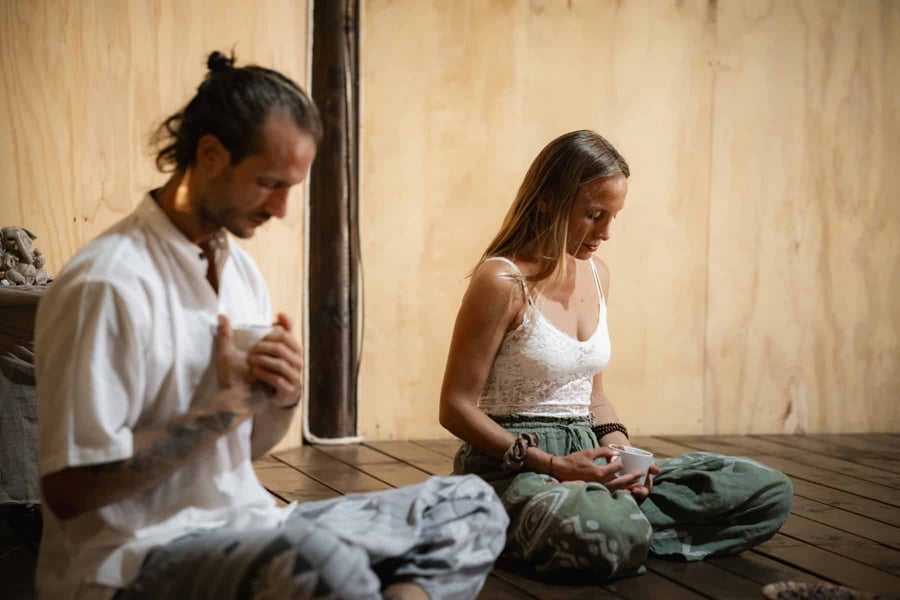
Ibogaine is a plant-based substance from West Africa that some people use to help them with their addiction, especially to opioids. Ibogaine is also a drug itself, with some dangerous side effects. What some people describe as a “spiritual journey” is a drug trip that can involve intense hallucinations.
Some people experience a spiritual awakening that helps them understand the root of their addiction. Critics of this method of treatment claim these positive results are anecdotal at best, and not evidence-based (i.e. backed by scientific study).
It may be hazardous to use one drug to quit another drug. There have been some studies, but more research is needed before doctors can fully recommend it. Researchers are currently working on a way to isolate the most effective parts of the drug to help explore how it can help with addiction and mental health disorders such as depression.
Ayahuasca
Ayahuasca is another plant-based treatment used mostly in South America. It creates strong hallucinations and is used in ceremonies led by shamans. Some people say it helps them deal with past trauma or feel more connected to life. Like Ibogaine, Ayahuasca is not legal in many countries and has limited scientific proof.
Scientific support is quite limited. A few small studies suggest it may help with mental health, but more research is needed in the form of peer-reviewed studies.
Kratom
Kratom sellers sometimes promote the substance as a natural aid for overcoming addiction to opioids like fentanyl and heroin, but this claim is misleading and potentially dangerous.
While some users report short-term relief from withdrawal symptoms, kratom itself acts on the same opioid receptors in the brain and kratom itself can become addictive. Instead of breaking the cycle of substance use, it can create a new dependency, complete with its withdrawal symptoms. Addicted users have reported anxiety, muscle pain, irritability, and cravings when trying to cease use.
Using kratom as a substitute for opioids or other drugs doesn’t treat addiction; it simply shifts the problem from one substance to another.
Medication-Assisted Treatment
Medication-assisted treatment (MAT) is an important tool for people who are addicted to opioids and other highly addictive substances, including alcohol in some cases. MAT is often introduced during or after opioid detox to help manage withdrawal symptoms, reduce cravings, and support long-term recovery. The most commonly used MAT medications are designed specifically to treat opioid use disorder.
Suboxone and Methadone
Suboxone and methadone are both medications used to treat opioid addiction. Their purpose is to help stop cravings and reduce withdrawal symptoms. This makes it easier to focus on treatment and recovery. These medicines don’t create a high when taken correctly. Doctors often recommend them as part of a long-term treatment plan.
These drugs are FDA-approved and supported by many studies. The FDA has declared MAT as the “gold standard” for the treatment of opioid use disorder. These drugs save lives and help people stay in recovery.
Disulfiram aka Antabuse
Disulfiram is an aggressive form of Medication-assisted treatment that is specifically used for people with alcohol use disorder. It works differently from other MAT drugs. Instead of disulfuram preventing cravings, it actually causes extreme nausea and discomfort if the person drinks alcohol. This deterrent can help a person stay sober but is merely a tool to support long-term recovery, which is best achieved through treatment and peer support.
It works best in conjunction with other tools such as coping skills, peer support, and an understanding of alcohol use disorder.
12-Step Groups (AA or NA)
These are support groups where people share their struggles and help each other stay sober. The most famous one is Alcoholics Anonymous (AA). The 12 steps focus on personal growth, acceptance, and peer support. These groups are free and available almost everywhere.
Studies show that people who attend 12-Step groups regularly are more likely to stay sober.
Therapy
Talking to a licensed therapist can help people deal with trauma, stress, or other issues that may lead to addiction. Cognitive Behavioral Therapy (CBT) is one type often used to help change harmful behaviors and thought patterns.
Therapy, especially when combined with peer support, and other coping tools, is highly effective in helping people change their lives and stay on the path to recovery.
Professional Drug or Alcohol Treatment
Substance use disorder treatment has proven to be one of the most effective ways that people can overcome their addiction. During treatment, people get education, support, and help overcoming obstacles to long-term recovery. Some of the above methods are nearly universally available at treatment programs, especially evidence-based interventions, like therapy, MAT, and 12-step group participation.
Intensive Outpatient Programs (IOP)
People in outpatient programs go to treatment several times a week while still living at home. These programs typically include therapy, group support, and education about addiction. They offer a middle ground between full-time rehab and trying to quit alone.
Outpatient programs can be highly effective for people motivated to stay in their community setting. They work especially well for people who have strong support systems in their home or community.
Residential Treatment
A residential environment is structured to make the most of a person’s time and provide a protected setting for the person to work with the treatment team to facilitate change. Often, the setting is like a home or a small campus. Clients live at a treatment center for some time, usually 30 days or more. People get therapy, group support, and medical help in a safe, drug-free place. It’s especially helpful for people with severe addiction or unsafe home situations.
Learning coping skills, developing new friendships, and coming to a better understanding of themselves are all part of the program for people in recovery. There is also a relapse prevention component that will help people when they return home to their communities. Once home, peer support and sometimes additional therapy or aftercare can help keep people on track.
The Bottom Line: The Path to Recovery
There is no one-size-fits-all solution to addiction or one linear path to success. Many people seek therapy to help manage stressors and cravings post-treatment. Others rely heavily on peer support groups, family, and friends.
What works for one person might not work for another. However, treatments backed by science, such as MAT, inpatient and outpatient programs, therapy, and support groups, have the best chance of long-term success. Experimental treatments like Ibogaine and Ayahuasca are interesting and may help some people, but they come with risks and less research. There is less evidence of long-term efficacy.
If you or someone you know is struggling with addiction, talk to a therapist or addiction specialist to find a safe and effective path to recovery.
About the Author
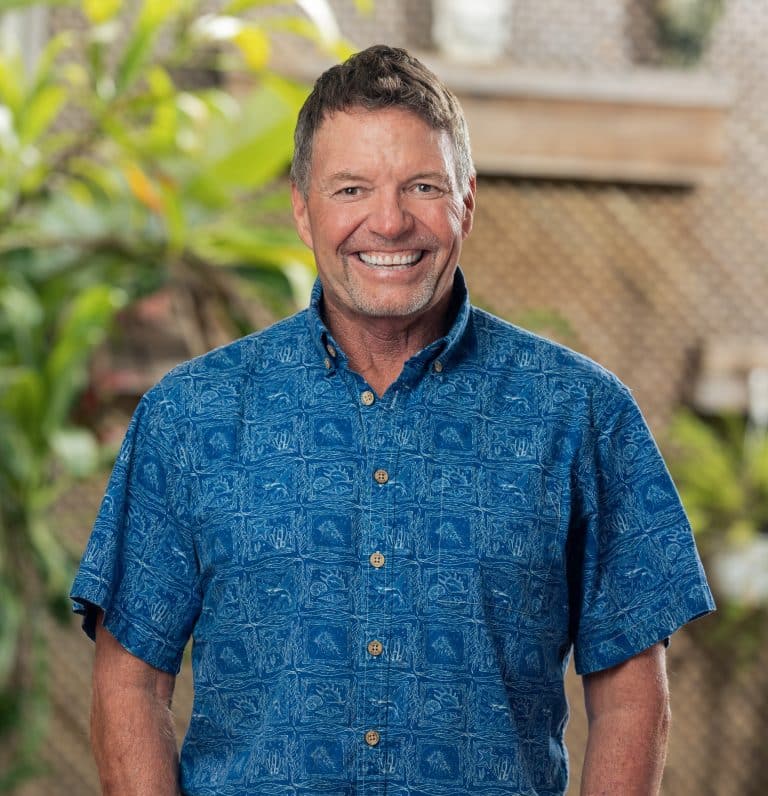
In Scott Huseby’s previous career, he led one of the most respected litigation support firms in the United States. Yet beyond his professional success, Scott discovered a deeper purpose after experiencing the healing power of recovery firsthand.
That calling led him to become the owner of Costa Rica Recovery, a holistic, participant-centered haven for individuals seeking freedom from addiction. Since then, Scott has opened other treatment centers and also become the owner of Cornerstone Recovery in Santa Ana, California (United States). Now he uses his leadership and lived experience to walk alongside others on their recovery journey, offering the same hope and healing that changed his life.
To learn more about Scott and Costa Rica Recovery, call 1 (866) 804-1793 or visit www.costaricarecovery.com
Copyright © 2025 California Business Journal. All Rights Reserved.
For California Business Journal Disclaimers, go to /terms-conditions/.


