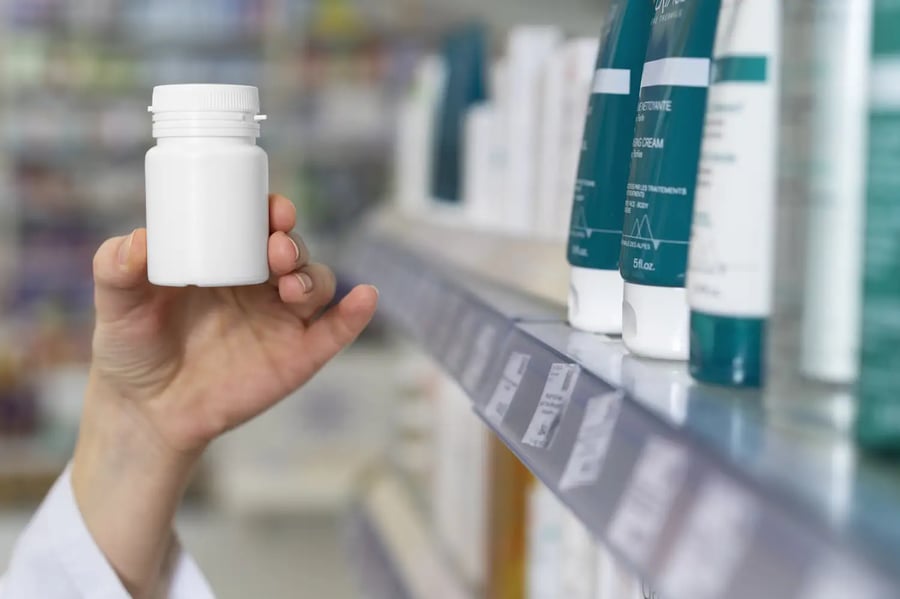
Modern private label supplement manufacturers like NutraSeller have changed the game. What used to be controlled by a handful of legacy brands is now being taken over by small wellness brands, influencers, gym owners, and even medical professionals -who are launching their own supplements without ever owning a factory.
Why Private Label Supplement Brands Are Exploding Right Now
The barrier to entry has collapsed. You no longer need massive capital or pharmaceutical infrastructure to sell a professional-grade supplement.
Contract manufacturers now allow brands to start with just 500 units, complete with compliance, testing, and done-for-you formulation.
That’s why “private label supplements” searches are climbing on Google Trends. But there’s a bigger accelerant behind this boom: TikTok and Amazon culture.
TikTok: The New Product Discovery Engine
TikTok is the modern product launch platform. A quick “here’s what I take every morning” video featuring a branded greens powder or magnesium gummy can sell thousands of units in hours.
People don’t care about corporate brand names—they care about authenticity and personal branding.
When a creator says, “I built this formula because I couldn’t find one I trusted,” that message hits harder than any ad spend a legacy brand can buy.
Amazon: Where Small Brands Look as Big as Giants
Amazon is the default shopping engine for supplements. Searches like “bloat relief gummies” or “sleep support supplement” don’t return just major brands—they return private label listings optimized by nimble marketers.
Amazon levels the field. With strong keywords, clean branding, and fast reviews, a one-product brand can outrank category leaders that have been around for decades.
Speed Is Beating Legacy Brands
Legacy supplement companies move slowly. Trend hits > corporate meetings > formulation teams > supply chain > regulatory > 12–18 months later… maybe a launch.
Private label brand owners? They contact a manufacturer, adjust a formula, and launch in 30–60 days—while the trend is still hot.
That speed is why smaller brands are owning trends like berberine gummies, hormone balance blends, and adrenal support powders long before big companies react.
The Smart Move: Partner With Manufacturers Who Understand E-commerce
The difference between a fast-moving wellness brand and a stalled one comes down to manufacturing strategy.
Modern manufacturers like NutraSeller don’t just produce units—they think in terms of TikTok packaging, Amazon FBA compliance, and high-converting label design.
That’s the new edge. Not cheap production, but e-commerce intelligence baked into manufacturing.
Conclusion
The supplement space isn’t just growing — it’s shifting power away from traditional brands and into the hands of creators, clinics, and niche wellness entrepreneurs.
People are no longer buying from the biggest company on the shelf. They’re buying from the name they trust, even if that name is a solo founder or a doctor with a small practice.
In this new landscape, you don’t need to own the factory.
You just need to own the relationship.
Contact a supplement manufacturer such as NutraSeller to start your supplement brand today.
Copyright © 2025 California Business Journal. All Rights Reserved.
For California Business Journal Disclaimers, go to /terms-conditions/.


