
Artificial intelligence has already transformed industries ranging from finance to manufacturing, but one of its most meaningful applications may be unfolding much closer to home.
As America's population ages and healthcare systems face mounting pressure, the challenge is becoming less about developing new technology and more about helping people live safely and independently for longer. Families are increasingly finding themselves balancing careers with caring for ageing parents, while providers struggle to recruit enough qualified caregivers to meet growing demand.
The scale of the challenge is significant. Research published this year by the Leonard Davis Institute of Health estimates that caring for an ageing parent can cost the average family between $80,000 and $100,000 annually. At the same time, AARP estimates that the nation's 59 million family caregivers provide more than $1 trillion worth of unpaid care each year, underscoring the enormous economic and social importance of home care.
Against that backdrop, a growing number of healthcare companies are exploring how artificial intelligence can support—not replace—the people delivering care. Among them is Roost, an AI-enabled home care operator that is expanding across the United States and Europe by combining regulated home care services with proprietary artificial intelligence technology.
As part of its next phase of growth, the company has appointed former NVIDIA and AMD executive Roy Taylor as Executive Chairman, adding one of the technology industry's best-known commercial leaders to its executive team.
Los Angeles-based Taylor spent decades helping build two of the world's leading semiconductor companies during periods of rapid technological change. Now he believes artificial intelligence has an opportunity to create its greatest impact in an industry where success is measured not by faster processors or larger data centers, but by better outcomes for people.
"Technology delivers its greatest value when it quietly removes obstacles from people's lives," Taylor said. "What attracted me to Roost is its view that AI should strengthen the work of caregivers, not replace it. When you can help professionals make better decisions, give families greater confidence and enable more people to remain safely in their own homes, you're applying technology where it has genuine human value."

That philosophy has shaped Roost's approach from the beginning. Rather than developing software for other care providers, the company operates regulated home care services itself while embedding artificial intelligence throughout the care journey.
Its technology portfolio includes Psyche AI, which supports caregiver recruitment and onboarding, People Predictor, an intelligent matching system designed to pair caregivers with clients more effectively, and Insights AI, a predictive wellbeing platform that identifies early indicators of changing health conditions, enabling intervention before problems become more serious.
The distinction is an important one. While many organizations are experimenting with AI by layering software onto existing services, Roost has chosen to integrate technology directly into day-to-day care delivery. The objective is not to automate human interaction but to improve consistency, efficiency and the quality of decisions made by care professionals.
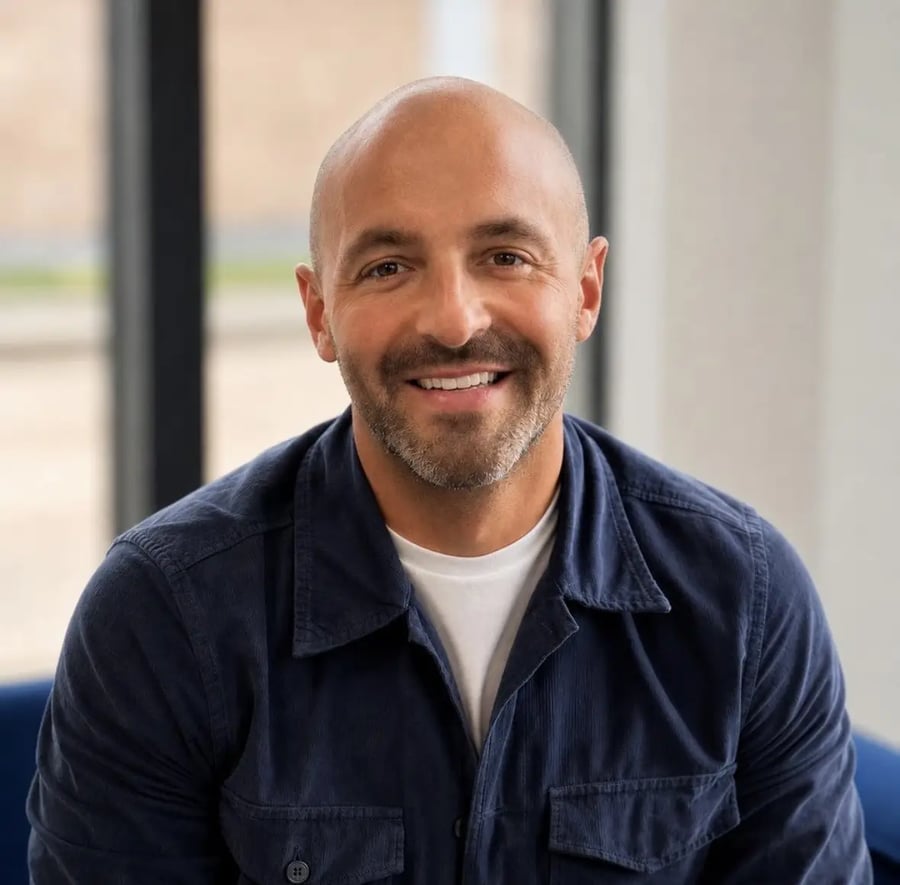
Chief Executive Officer Alex Moran believes that philosophy was a major factor in attracting Taylor to the business.
"Roy has spent his career helping global technology companies scale through periods of extraordinary innovation," Moran said. "His experience, combined with his understanding of responsible AI, makes him an invaluable partner as we continue growing in both the U.S. and European markets. More importantly, he shares our belief that better technology should ultimately result in better care."
The appointment also reflects a broader convergence between healthcare and artificial intelligence. Investors, policymakers and healthcare providers are increasingly recognizing that some of AI's most valuable applications may emerge in sectors where improving quality of life—not simply productivity—is the primary goal.

For companies operating in home care, the opportunity extends beyond efficiency. Better recruitment, improved caregiver matching and earlier identification of health risks all have the potential to reduce hospital admissions, ease pressure on healthcare systems and help older adults maintain their independence for longer.
As demand for home care continues to rise on both sides of the Atlantic, the companies likely to shape the sector's future may be those that recognize technology's role is not to replace compassion, but to make it more effective. Roost's latest leadership appointment suggests it intends to be among them.
Copyright © 2026 California Business Journal. All Rights Reserved.
For California Business Journal Disclaimers, go to /terms-conditions/.


