
The conversation around mental health has evolved, but many people are still looking for answers that feel tangible and sustainable. Rebecca Kase, licensed clinical social worker and founder of the Trauma Therapist Institute, offers something rare: a way to understand stress and healing that starts with the body, not just the mind.
Her upcoming book, “The Polyvagal Solution: Vagus Nerve-Calming Practices to Soothe Stress, Ease Emotional Overwhelm, and Build Resilience,” is designed to make the complex science of the nervous system understandable — and usable — for anyone who has felt stuck, exhausted, or simply overwhelmed.
What makes Kase’s work so relatable is that she has lived through the very challenges she teaches about. As a trauma therapist, business owner, and someone who has personally recovered from PTSD and anxiety, Kase didn’t come to polyvagal theory as an academic exercise — she came to it looking for answers. Her own journey toward regulation and nervous system health is what gives this book its grounding. Readers aren’t just learning from an expert; they’re learning from someone who’s walked the path herself.
Why polyvagal theory matters now
At the core of Kase’s approach is polyvagal theory, a framework developed by neuroscientist Dr. Stephen Porges that explains how our nervous system constantly scans for cues of safety or danger, and how our body responds automatically — even when we are unaware of it. These reactions shape how we think, connect with others, and handle pressure.
Rather than urging people to “think positive" or “push through,” polyvagal theory highlights the importance of nervous system regulation. According to Kase, symptoms like burnout, chronic anxiety, or emotional numbness aren’t personal failings. They’re signals, which is why learning to read those signals and respond to them is key.
Simple language, powerful insight
Kase has a gift for translating science into stories. In “The Polyvagal Solution,” she breaks down neuroscience without using jargon, offering relatable examples, daily practices, and tools that anyone can try. Breathwork, movement, sensory exercises, and mindful boundaries are all explored in a way that feels doable, not clinical.
However, Kase’s latest book isn’t about instant fixes but about understanding your body’s cues and responding with care. Kase encourages readers to work with their biology, rather than fighting it. That shift alone can change how we approach healing, leadership, and even success.
More than a therapist: A trusted guide
While many of Kase’s insights come from her years of research, many more are derived from her personal experiences. With nearly 20 years in the field and a thriving training institute, she knows the toll that helping others — or simply trying to keep up — can take. She has worked with therapists, executives, creatives, and everyday people who all share one thing in common: a nervous system that has been under too much pressure for too long.
Kase’s work blends science, storytelling, and lived experience, which is what makes her message resonate. In reading “The Polyvagal Solution,” readers don’t just get strategies; they get context, empathy, and permission to take a break.
Burnout, biology, and a better way forward
In “The Polyvagal Solution,” Kase explains that chronic stress isn’t just a mental load but a physiological one. When the nervous system stays stuck in fight, flight, or freeze mode, the body can’t fully rest or recover. Over time, this imbalance affects sleep, focus, digestion, and even relationships. What might look like procrastination or mood swings could actually be the body’s way of signaling that it feels overloaded.
That’s why Kase emphasizes regulation over mindset. It’s not about forcing calm but learning how to access it. Her book introduces practices that help people return to what’s called a “ventral vagal state” — a physiological state where connection, clarity, and presence are easier to access. These aren’t trendy hacks; they’re grounded in how the nervous system actually works.
What makes this approach especially timely is its accessibility. You don’t need a therapy license to benefit. Kase writes for anyone navigating real-life pressures — parents juggling too much, leaders under constant demand, or individuals carrying invisible trauma. By demystifying the science, she empowers people to make small, meaningful changes that build resilience over time.
Kase’s message is clear: Your body is not the problem
One of the most powerful ideas in Kase’s work is that there’s nothing wrong with you. After all, your body is simply doing its best to protect you, and understanding that changes everything. It reduces shame. It builds self-trust. It opens the door to regulation instead of resistance.
This isn’t just a theory; it’s a daily practice. And “The Polyvagal Solution” is your guidebook for learning it.
If you’ve ever wondered why traditional self-help hasn’t worked for you, this might be the perspective you’ve been missing. Kase doesn’t ask you to power through but instead teaches you how to listen, and that might just be the most healing step of all.
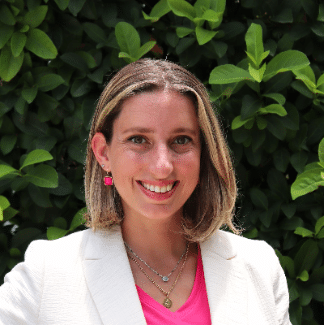
About the author: Kattie is a full-time writer based in Orlando. She has a BA in psychology from FIU and a MA in English Literature from Mercy College. A college professor, mother of 4, self-proclaimed foodie, writer, reader, teacher, yogi, Kattie likes to keep busy.
Copyright © 2025 California Business Journal. All Rights Reserved.
For California Business Journal Disclaimers, go to /terms-conditions/.


