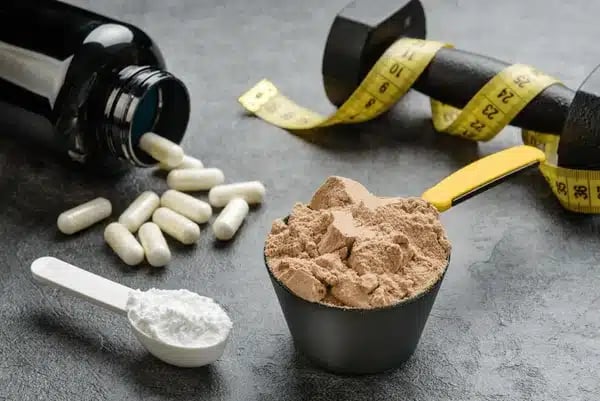
In the pursuit of physical improvement, whether it’s building strength, enhancing endurance, or simply maintaining a healthy physique, the spotlight often falls intensely on the training itself. We meticulously plan our workouts, track our sets and reps, and push our limits with each session. However, a fundamental truth often remains obscured: the actual magic of muscle growth and strength adaptation doesn't primarily happen during strenuous activity, but in the hours and days that follow. It's during this recovery phase that the body repairs, rebuilds, and strengthens itself, preparing for the next challenge. For athletes and fitness enthusiasts, understanding the full spectrum of Sports nutrition products available, especially those engineered for optimal post-exercise recovery, is becoming increasingly vital.
The Science of Muscle Repair: What Happens After Exercise
To truly appreciate the value of recovery support, it's essential to understand the intricate physiological processes that unfold within our muscles after a demanding workout. Exercise, particularly resistance training, induces microscopic damage to muscle fibers, creating what are often referred to as "micro-tears." This isn't inherently negative; it's the necessary stimulus for adaptation. Immediately following this micro-trauma, the body initiates a complex repair cascade. This involves an inflammatory response, which, while sometimes uncomfortable, is a crucial signal that draws essential nutrients and immune cells to the damaged sites.
The cornerstone of recovery is muscle protein synthesis (MPS), a process where the body uses amino acids—the building blocks of protein—to repair these micro-tears and build new, stronger muscle tissue. Simultaneously, depleted energy stores, primarily muscle glycogen, need to be replenished. Various vitamins and minerals act as cofactors in these biochemical reactions, facilitating everything from enzyme function to cellular regeneration. While the body possesses an inherent, remarkable capacity for recovery, intense or consistent training can place significant demands on these internal systems, often pushing them to their limits and revealing areas where targeted support can be profoundly beneficial.
Common Recovery Bottlenecks: Why Natural Recovery Falls Short
While the human body is remarkably resilient, its natural recovery mechanisms can frequently be overwhelmed or hindered by the realities of modern life and intense training demands. The most common bottlenecks that create a gap between physical stress and the body's ability to repair itself include:
- Overtraining: Consistently pushing the body with high volume or intensity without allowing for adaptation, leading to a state of breakdown rather than progress.
- Insufficient Sleep: Failing to get adequate deep sleep, which is the primary window for the body to release growth hormone and perform critical cellular repair.
- Inadequate Nutrition: Consuming a diet that lacks the necessary building blocks for repair, particularly a deficit in high-quality protein and essential micronutrients.
- Chronic Stress: High levels of psychological or life stress outside of training elevate the catabolic (muscle-degrading) hormone cortisol, which directly counteracts recovery efforts.
- Poor Hydration: Failing to replenish fluids and electrolytes lost during exercise, which is critical for nutrient transport, muscle function, and overall metabolic processes.
Overtraining, the relentless pushing without adequate rest, leads to accumulated fatigue, which manifests as persistent muscle soreness, diminished performance, mood disturbances, and an elevated risk of injury. Instead of progressive adaptation, the body slips into a state of breakdown. These factors create a deficit between the body's natural recovery capacity and the demands placed upon it, leading to plateaus in performance and increased vulnerability. It’s precisely at these junctures that targeted nutritional strategies and specialized supplementation emerge as valuable tools to bridge these physiological gaps and optimize the recovery landscape.
Introducing Muscle Restore Supplements: Targeted Support for Recovery
Given the inherent limitations of natural recovery in the face of rigorous training and modern lifestyle demands, targeted nutritional interventions have emerged as a cornerstone of advanced athletic and fitness regimens. "Muscle restore supplements" are specifically formulated to address these recovery bottlenecks, aiming to accelerate physiological repair, reduce inflammation, replenish depleted nutrient stores, and even improve the quality of restorative sleep. These products are not intended as substitutes for fundamental recovery practices—like adequate rest, proper hydration, and a balanced diet—but rather as powerful enhancements to optimize these processes.
These supplements often contain a synergistic blend of ingredients categorized by their primary function. This might include various forms of amino acids crucial for protein synthesis, specific vitamins and minerals that act as cofactors in metabolic pathways, anti-inflammatory compounds derived from natural sources, and even adaptogens designed to help the body manage stress more effectively. The underlying principle is to provide the body with precise, readily available nutrients and compounds exactly when it needs them most for efficient regeneration. As part of a comprehensive approach to athletic performance, Sports nutrition products specifically formulated for recovery play a crucial role. These products, which often include ingredients found in a Muscle Restore Supplement, are designed to optimize post-exercise physiological processes, moving beyond basic nutrient replenishment to target specific recovery pathways and accelerate the body's return to optimal function.
Key Ingredients and Their Recovery Mechanisms
| Ingredient | Category | Primary Role | Specific Recovery Mechanism |
| BCAAs | Amino Acids | Muscle Repair | Stimulates muscle protein synthesis and reduces protein breakdown. |
| L-Glutamine | Amino Acid | Systemic Support | Supports immune function and gut health, crucial for stress recovery. |
| Creatine | Compound | Energy Restoration | Rapidly replenishes cellular ATP to restore muscle energy. |
| Tart Cherry Extract | Botanical | Reduces Soreness | Provides anti-inflammatory/antioxidant effects to combat muscle damage. |
| Curcumin (Turmeric) | Botanical | Fights Inflammation | Delivers powerful systemic anti-inflammatory benefits. |
| Electrolytes | Minerals | Muscle Function | Maintain fluid balance and nerve function for proper contraction. |
| ZMA (Zinc & Magnesium) | Minerals | Hormonal & Sleep Support | Improves sleep quality and supports anabolic hormone levels for growth. |
Maximizing Effectiveness: Integration and Best Practices
Incorporating muscle restore supplements into your regimen for optimal benefit requires a thoughtful, integrated approach rather than simply adding them haphazardly. Timing is paramount: many recovery-focused supplements are most effective when consumed immediately post-workout to kickstart the repair process, or before bed to support overnight regeneration. However, it's vital to remember that these supplements are just one piece of a larger puzzle. Foundational elements remain non-negotiable: consistently consuming adequate protein throughout the day provides the necessary amino acids for muscle repair; sufficient, high-quality sleep is when the majority of hormonal and cellular recovery occurs; and proper hydration is essential for all physiological processes, including nutrient transport and waste removal.
Stress management is also a significant, yet often overlooked, component of recovery. Chronic stress elevates cortisol, which can undermine muscle growth and recovery. While supplements can help mitigate some effects, addressing the root causes of stress is crucial. Always consider your individual needs, training intensity, and dietary gaps. Consulting with a healthcare professional or a qualified sports nutritionist can help tailor a supplement plan to your specific goals and health status. Responsible usage dictates avoiding over-reliance on supplements as a quick fix, ensuring they complement, rather than replace, consistent, sound recovery practices.
Conclusion: Investing in Recovery for Peak Performance
Achieving peak physical performance isn't just about intense workouts; the quality of your recovery is equally, if not more, important. While training provides the stimulus, true adaptation—muscle growth, increased strength, enhanced endurance—happens during the restorative hours afterward. Ignoring this crucial phase can lead to stagnation, burnout, and injuries, ultimately derailing your progress.
Strategic supplementation, especially with well-formulated Muscle Restore Supplement products, powerfully optimizes this vital recovery process. When combined with essential practices like adequate sleep, consistent hydration, and balanced nutrition, these supplements can bridge physiological gaps and significantly boost your body's natural regeneration. The benefits go beyond just reducing soreness, contributing to sustained long-term performance, lower injury risk, and improved overall well-being. This can include targeted nutrients found in products like ZMA supplements, which support sleep quality and hormonal balance crucial for deep recovery. Ultimately, recovery isn't just downtime; it's an active, indispensable part of progress, and smart investment in it unlocks your body's full potential for growth and resilience.
Copyright © 2025 California Business Journal. All Rights Reserved.
For California Business Journal Disclaimers, go to /terms-conditions/.


