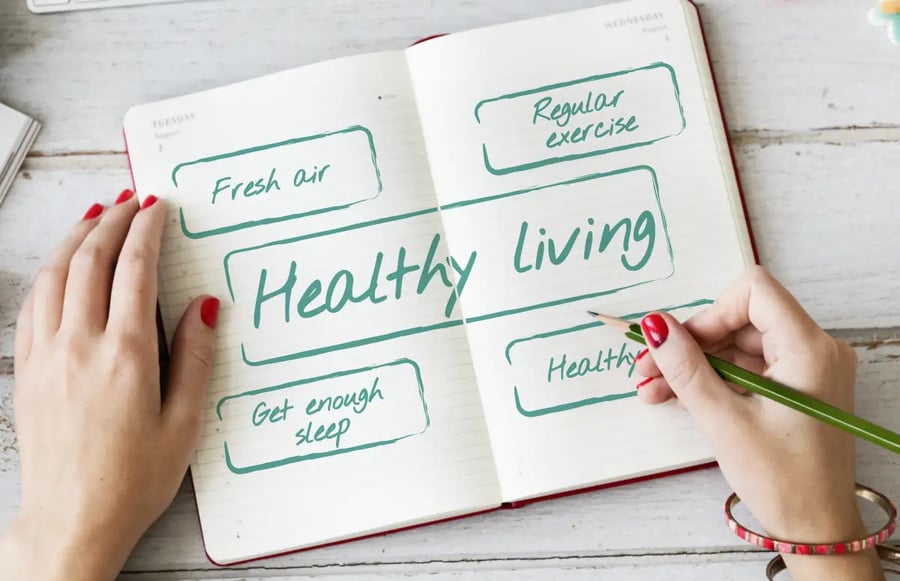
Living a healthy lifestyle in 2026 feels more realistic than it did in the past. People are done chasing perfect routines that collapse after a few weeks. Health now feels personal, flexible, and grounded in daily life. The focus is not on doing everything right. It is about doing enough, often enough, to feel steady, clear-headed, and physically capable.
This shift occurred because people began paying attention to what actually works in the long term. Trends still exist, but they no longer drive every decision. Instead, health in 2026 is built around sleep, food, movement, stress awareness, and smarter use of wellness tools. It feels less loud and more human.
Here is what a healthy lifestyle really looks like now, explained in a way that fits real life.
Sleep Is the Foundation of Everything
Sleep sits at the center of health in 2026. People finally accept that poor sleep affects energy, mood, appetite, focus, and long-term health. No routine can make up for running on empty.
Most adults aim for seven to nine hours of sleep, but consistency matters just as much as duration. Going to bed and waking up at the same time helps the body regulate hormones tied to stress and hunger. Even weekends follow a similar schedule for many people.
Evenings have slowed down. Bright lights, endless scrolling, and late-night work are less common. Bedrooms feel darker and cooler. Mornings often start with natural light, as it supports alertness and promotes better sleep the next night.
Once sleep improves, other healthy habits no longer feel like a struggle. Better sleep makes food choices clearer and movement feel more natural.
Daily Stress Care Is No Longer Optional
Stress should be considered a health issue in 2026, not just a side effect of life. People understand that constant stress affects sleep, digestion, immune function, and mood.
Instead of waiting for burnout, stress care happens daily. Quiet moments, short breaks, and time outdoors help regulate the nervous system. Work boundaries feel more normal, and constant availability is less expected.
Some adults incorporate calming tools into their daily routines. One example is mindless mushroom tablets, which are often associated with low-dose functional mushrooms aimed at supporting focus and emotional balance. People approach these products with caution, starting small and paying attention to how they feel rather than expecting dramatic effects.
Stress care in 2026 focuses on feeling steady, not escaping discomfort.
Smarter Conversations Around Plant-Based Options
There is more open and informed discussion around plant-based products in 2026. People want to understand what they put into their bodies rather than follow hype.
This includes honest conversations about compounds like 7-hydroxymitragynine, which is one of the naturally occurring alkaloids found in kratom. Awareness around dosage, personal response, and long-term habits has grown. People discuss risks and benefits without pretending that these topics are simple.
Education plays a bigger role now. Many people choose to avoid these options altogether. Others approach them with clear boundaries and a clear purpose. The common thread is intention and self-awareness.
A Healthy Lifestyle Leaves Room for Joy
One of the most significant changes in 2026 is the way people define health. Health now includes rest, laughter, curiosity, and enjoyment. It is not just about numbers or routines.
A healthy day does not need to look perfect. It might include a walk, a balanced meal, meaningful work, and early sleep. Some days include workouts. Other days include rest and enjoy kratom and kava as you unwind to boost your focus and achieve emotional balance. Both still count.
This flexibility helps people stay consistent without feeling pressured to perform.
Eating for Energy, Not Rules
Healthy eating in 2026 feels calmer. Strict plans and food fear have lost their appeal. People focus on meals that support steady energy and keep them full.
Most meals center around simple, familiar foods. Protein helps manage hunger. Vegetables and fruit support digestion. Carbohydrates still exist, but portions feel intentional. Meals repeat often, and that is not seen as a problem. Repetition reduces decision fatigue and stress.
Cooking at home happens more often, even when meals stay basic. Eating out is still a part of life, but it's not an everyday habit for most people. There is less guilt tied to food choices because people understand that one meal does not define overall health.
This balanced approach makes healthy eating easier to maintain across busy schedules, travel, and social events.
Movement That Fits Real Life
Exercise in 2026 looks practical and forgiving. The idea that workouts must be long or intense has faded. People move their bodies in ways that fit their lives.
Walking plays a major role. It supports heart health, joint mobility, and mental clarity. Short walks during the day count just as much as longer ones. Strength training also receives attention because people understand its role in maintaining bone health, improving balance, and slowing the effects of aging.
Movement blends into daily routines. That might mean stretching in the morning, lifting weights a few times a week, or staying active through hobbies and other pursuits. Rest days are respected. Pain and exhaustion are signals, not things to push through.
The goal is to keep the body active over the years, rather than chasing short bursts of motivation.
Supplements Support Habits, Not Replace Them
Supplement use looks different in 2026. People take fewer products and ask better questions. Supplements are no longer treated as shortcuts.
Basic needs come first. Sleep, food, movement, and stress form the base. Supplements are added only when they serve a clear role. People track how they feel and stop using products that do not help.
This mindset has reduced unnecessary spending and helped people avoid overstocking on products. The focus remains on what supports daily life, rather than what promises rapid change.
Mental Health Is Part of Everyday Health
Mental health care is woven into daily routines in 2026. It is no longer separated from physical health. People value quiet time, reflection, and honest conversations.
Therapy, journaling, and mindful breaks feel like a normal part of life. Social connection matters more than ever. Isolation is recognized as harmful, and people make more effort to stay connected, even in simple ways.
Digital boundaries also support mental health. Many people limit social media time and notifications to protect focus and mood. Silence has become something people choose, not something they fear.
Final Thoughts
Living a healthy lifestyle in 2026 means choosing habits that support real life, rather than fighting against it. Sleep sets the tone. Food fuels energy. Movement keeps the body capable. Stress care protects long-term health. Supplements and plant-based options are approached with intention and education.
Health now feels calmer and more sustainable. It is built through small choices made daily, not dramatic changes made once. That shift enables people to maintain their health, presence, and balance in the long run.
Copyright © 2025 California Business Journal. All Rights Reserved.
For California Business Journal Disclaimers, go to /terms-conditions/.


