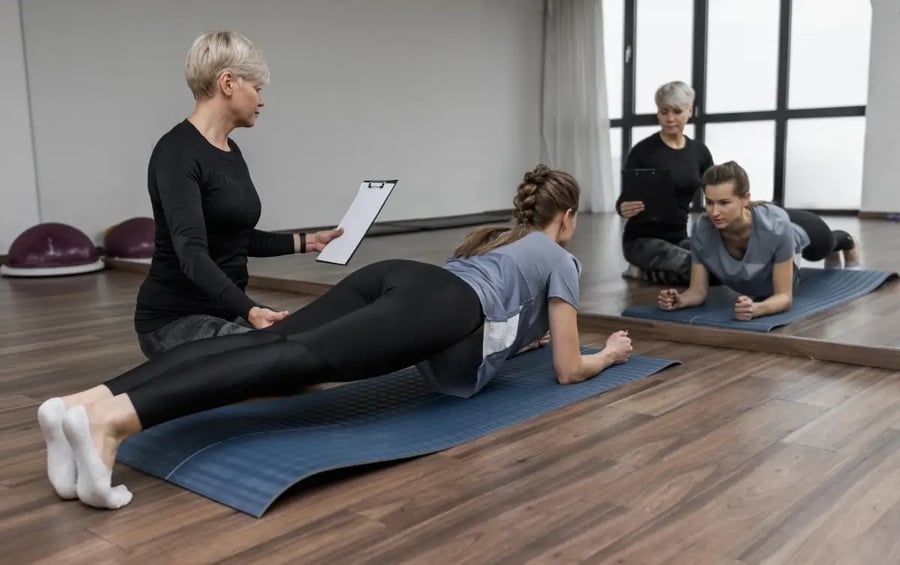
Guided core training is a type of exercise that focuses on the muscles around your stomach, back, and pelvis. These muscles, often called the core, are very important for balance, posture, and overall strength.
Strengthening your core can make daily activities easier and reduce the risk of injuries. Many people find that guided core training also helps improve flexibility. This article will explain how guided core training works and why it benefits both strength and flexibility.
What is Guided Core Training?
Guided core training involves exercises that target the central muscles of your body. Unlike general workouts, guided core training uses specific movements that are often supervised by an instructor or done with specialized equipment. Exercises like the following are common:
- planks
- bridges
- controlled twists
The guidance helps ensure that you perform each move correctly. This reduces the risk of injury. This also ensures that the right muscles are engaged. Beginners and experienced exercisers alike can benefit from this structured approach.
How It Builds Strength
Core muscles support nearly every movement you make. Strong core muscles make the following easier:
- lifting
- bending
- twisting
Guided core training gradually increases the intensity of exercises to challenge your muscles. By doing this regularly, you build endurance and strength in your:
- abdominal
- back
- pelvic muscles
Strong core muscles also improve posture. This makes everyday movements more efficient. Athletes, office workers, and older adults can all see improvements in strength with consistent guided core training.
How It Improves Flexibility
Flexibility is your ability to move your joints and muscles through their full range of motion. Guided core exercises often include stretches and controlled movements that lengthen the muscles. This helps reduce stiffness and improves overall mobility.
For example, exercises like spinal rotations and controlled leg lifts increase flexibility in your back and hips. Over time, better flexibility makes it easier to perform daily activities. It also reduces the likelihood of injuries during physical activity. People who want to improve flexibility often find combining strength exercises with guided core training very effective.
Why Guidance Matters
Having guidance during core training is important for safety and effectiveness. An instructor can:
- correct your form
- suggest modifications
- ensure you target the right muscles
This is especially important for beginners or people with past injuries.
Many fitness centers now offer pilates classes near me that focus on guided core training. Pilates is a popular form of guided core exercise that blends strength and flexibility work. The guidance helps you progress faster while minimizing the risk of strain or injury.
Tips for Starting Guided Core Training
When starting guided core training, begin with simple exercises and focus on form rather than intensity. Practice regularly, but allow your muscles time to recover between sessions.
Breathing properly during exercises is also crucial, as it supports your core and improves performance. Gradually increase the difficulty of exercises as your strength and flexibility improve. Listening to your body and working at your own pace ensures long-term benefits and reduces the chance of injury.
All About Guided Core Training
Guided core training is an excellent way to improve both strength and flexibility. By targeting the core muscles with structured and supervised exercises, you enhance your posture, mobility, and overall physical performance.
Whether you are a beginner or experienced in fitness, guided core training can make everyday movements easier and reduce the risk of injuries. Regular practice and proper guidance are key to seeing long-lasting results. Strengthening your core is a step toward a healthier, more flexible body.
Copyright © 2026 California Business Journal. All Rights Reserved.
For California Business Journal Disclaimers, go to /terms-conditions/.


