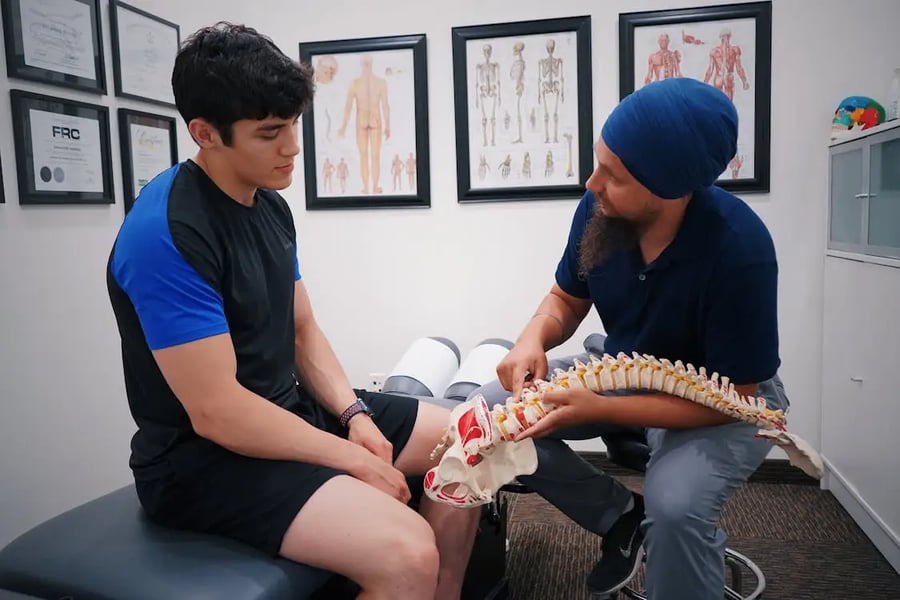
Chronic lower back pain affects approximately 80 million Americans, making it one of the leading causes of disability and lost productivity in the United States. While the physical symptoms of persistent back pain are well-documented, the profound psychological impact often remains overlooked or undertreated. Research consistently demonstrates that individuals suffering from chronic lower back pain face significantly elevated risks of developing depression and anxiety disorders, creating a complex cycle of physical and mental health challenges that can dramatically diminish quality of life.
The relationship between chronic pain and mental health is deeply interconnected, as when back pain persists for months or years, it fundamentally alters brain chemistry and function, disrupting sleep patterns, limiting physical activity, and damaging emotional resilience. Fortunately, many conditions can be managed with modern spinal stenosis treatment or spondylolisthesis surgery, for example.
The Connection Between Pain and Mental Health
The brain processes physical pain and emotional distress through overlapping neural pathways, explaining why chronic back pain often triggers psychological symptoms. The anterior cingulate cortex, a brain region involved in processing both physical pain and emotional responses, becomes hyperactive in individuals with chronic pain conditions. This heightened activity can lead to increased sensitivity not only to physical discomfort but also to emotional stressors.
Chronic pain also disrupts the production and regulation of key neurotransmitters, including serotonin, dopamine, and norepinephrine. These chemical messengers play crucial roles in mood regulation, motivation, and pain perception. When chronic back pain interferes with their normal function, it creates an environment where depression and anxiety can flourish. Additionally, persistent pain triggers the release of stress hormones like cortisol, which, when elevated chronically, contributes to inflammation and can further exacerbate both pain and mood disorders.
Sleep disruption represents another critical link between chronic back pain and mental health problems. Pain frequently interferes with sleep quality and duration, preventing the restorative processes necessary for both physical healing and emotional regulation. Sleep deprivation amplifies pain sensitivity while simultaneously increasing vulnerability to depression and anxiety. This creates a vicious cycle where pain disrupts sleep, poor sleep worsens pain, and both contribute to declining mental health.
The impact extends beyond neurobiology to encompass social and functional dimensions of life. Chronic back pain often forces individuals to reduce or eliminate activities they once enjoyed, leading to social isolation and loss of purpose. Career limitations, financial stress from medical expenses and reduced earning capacity, and strained relationships with family and friends all contribute to the psychological burden. The gradual erosion of independence and self-efficacy can be particularly devastating, fostering feelings of helplessness that are hallmarks of depression.
Common Causes of Lower Back Pain
Understanding the underlying causes of lower back pain is essential for developing effective treatment strategies and preventing chronic conditions:
- Muscle strains and ligament sprains - Often result from sudden movements, heavy lifting, or poor posture, causing microscopic tears in muscle fibers or stretching of ligaments beyond their normal range.
- Herniated or bulging discs - Occur when the soft inner material of spinal discs pushes through the outer layer, potentially compressing nearby nerves and causing pain that may radiate down the legs.
- Degenerative disc disease - Age-related wear and tear causes spinal discs to lose water content and height, reducing their shock-absorbing capacity and leading to pain and stiffness.
- Spinal stenosis - Narrowing of the spinal canal puts pressure on the spinal cord and nerves, often causing pain that worsens with walking or standing.
- Osteoarthritis - Joint degeneration in the spine leads to inflammation, bone spurs, and reduced mobility, particularly common in individuals over 50.
- Scoliosis or other spinal deformities - Abnormal curvature of the spine can cause uneven stress distribution and chronic pain.
- Fractures - Can result from trauma, osteoporosis, or stress injuries, particularly in older adults or those with weakened bones.
- Inflammatory conditions - Such as ankylosing spondylitis or rheumatoid arthritis can cause persistent pain and stiffness in the lower back.
- Poor posture and ergonomics - Prolonged sitting, improper workstation setup, or habitual poor posture can strain back muscles and contribute to chronic pain
Back Pain Treatment Options
Effective back pain management typically involves a multimodal approach tailored to the individual's specific condition and needs:
- Physical therapy - Includes targeted exercises to strengthen core muscles, improve flexibility, and correct movement patterns while teaching proper body mechanics.
- Medications - Range from over-the-counter anti-inflammatories like ibuprofen to prescription muscle relaxants, with opioids reserved for severe, short-term pain management.
- Injection therapies - Epidural steroid injections, facet joint injections, and trigger point injections can provide targeted relief for specific pain sources.
- Manual therapies - Chiropractic manipulation, osteopathic treatment, and massage therapy can help restore mobility and reduce muscle tension.
- Heat and cold therapy - Applied strategically to reduce inflammation and muscle spasms while promoting healing blood flow.
- Lifestyle modifications - Including weight management, ergonomic improvements, and activity modification to reduce stress on the lower back.
- Alternative treatments - Acupuncture, yoga, tai chi, and mindfulness-based interventions have shown effectiveness for many individuals with chronic back pain.
- Surgical interventions - Reserved for cases where conservative treatments fail and may include procedures like spinal fusion, disc replacement, or decompression surgery.
- Cognitive behavioral therapy - Helps patients develop coping strategies and modify pain-related thoughts and behaviors
Managing Depression and Anxiety Associated with Chronic Pain
Addressing the mental health components of chronic back pain requires comprehensive strategies that acknowledge the interconnected nature of physical and psychological well-being:
- Professional mental health treatment - Working with psychologists or psychiatrists who specialize in chronic pain can provide evidence-based therapies like cognitive behavioral therapy (CBT) and acceptance and commitment therapy (ACT).
- Antidepressant medications - Certain antidepressants, particularly tricyclics and SNRIs, can help with both pain management and mood symptoms.
- Mindfulness and meditation practices - Regular meditation, deep breathing exercises, and mindfulness-based stress reduction can help break the cycle of pain and emotional distress.
- Social support networks - Maintaining connections with family, friends, and support groups prevents isolation and provides emotional resources for coping.
- Gradual activity progression - Working with healthcare providers to slowly increase physical activity levels can improve mood through natural endorphin release while avoiding pain flares.
- Sleep improvement - Establishing consistent sleep schedules, creating comfortable sleep environments, and addressing pain-related sleep disruptions.
- Stress management techniques - including progressive muscle relaxation, guided imagery, and time management strategies to reduce overall stress burden.
- Goal setting and activity scheduling - Breaking larger goals into manageable steps and scheduling enjoyable activities can help combat depression and maintain motivation.
- Education and self-advocacy - Learning about pain conditions and treatment options empowers patients to actively participate in their care and make informed decisions.
Thank you for reading. We hope this article has helped to provide valuable insights into back pain and its links to depression.
Copyright © 2025 California Business Journal. All Rights Reserved.
For California Business Journal Disclaimers, go to /terms-conditions/.


