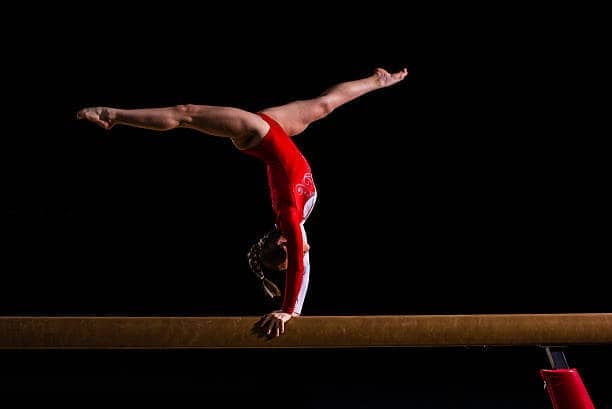
In gymnastics, every detail matters. From technique to timing, strength to style, the sport demands precision and performance. But while much attention is paid to skills and routines, the choice of leotard plays a pivotal role too. It’s not just a uniform—it’s part of a gymnast’s identity, and a tool that supports physical and psychological readiness.
From the early days of learning rolls and cartwheels to the thrill of competitions under bright lights, the right leotard grows with the gymnast. Elite Gymnastics understands this progression, offering a wide range of designs that balance form, function and flair—ensuring every gymnast feels their best at every stage.
Finding the Right Fit: Comfort is Key
A great leotard should feel like a second skin. It must offer support without restriction and contour to the body without squeezing or sagging. The right fit is vital—not only for performance but also for preventing distractions during routines.
When selecting a leotard, gymnasts should look for a snug but comfortable fit across the shoulders, hips, and torso. There should be no gaping around the neckline, no digging at the leg holes, and definitely no slipping straps. Fit influences focus. And when you’re mid-routine, the last thing you want to be thinking about is adjusting your attire.
Fabric Matters: Breathability, Flexibility and Durability
Leotards are made to work hard. The fabric must endure hours of movement, stretching, sweating, and washing—without losing its shape or sparkle. This makes material choice one of the most important aspects of leotard selection.
Look for fabrics like Lycra or spandex blends that offer four-way stretch and moisture-wicking properties. These materials allow for maximum mobility and keep the gymnast feeling cool and dry. Some training leotards use cotton blends for added softness during long sessions, while competition pieces tend to favour shine and shimmer with slightly firmer fabrics for structure and support.
Durability is also key. A well-made leotard should withstand frequent use without fading, pilling, or unravelling. Double stitching, reinforced seams, and quality lining make all the difference when garments are put through the rigours of a gymnast’s weekly schedule.
Design That Moves With You
A leotard should complement the way a gymnast moves. Seams and panels must be placed to support flexibility and create clean lines during skills and poses. High leg cuts elongate the legs visually, while racerback or tank styles provide secure support for upper body movement.
Gymnasts should also consider sleeve styles:
- Sleeveless designs offer maximum movement and are perfect for training.
- Cap sleeves or three-quarter lengths strike a balance between style and performance.
- Long sleeves, often adorned with crystals, are typically reserved for competitions due to their dramatic impact under stage lights.
Regardless of the style, the garment should never restrict range of motion or cause chafing. Freedom to move is everything.
Expressing Personality Through Style
While function is essential, style gives the leotard its soul. Colour, cut, embellishment and pattern are all tools for self-expression. Many gymnasts choose bold prints or vibrant tones for training, embracing playfulness and fun. For competitions, there’s often a shift toward elegance and impact—think deep jewel tones, metallics, and crystal detailing.
The design a gymnast wears can say a lot about who they are: confident, calm, energetic, focused. For some, leotards become lucky charms; for others, they are a way to feel fearless before stepping onto the mat. Personal expression through style creates a deeper connection between gymnast and performance.
Competition vs Training Leotards
It’s important to distinguish between leotards made for daily practice and those reserved for competitions. Training leotards prioritise comfort, breathability, and simplicity. They’re typically less adorned and more focused on durability and ease of washing.
Competition leotards, on the other hand, are designed to stand out. They often feature elaborate patterns, mesh inserts, rhinestone detailing, and structured silhouettes. While they offer the same functional movement as training styles, they add a touch of theatricality, perfect for those high-pressure, high-stakes moments.
Many gymnasts build a wardrobe that includes several of both—ensuring they’re always dressed for the moment, whether it’s a Tuesday afternoon practice or the final round of a major meet.
Caring for Your Leotard
A quality leotard is an investment, and taking proper care of it will keep it looking and feeling its best for longer. Always follow care labels, but general tips include:
- Hand washing in cold water with mild detergent.
- Avoiding bleach or fabric softeners which can damage stretch fibres.
- Air drying flat, away from direct sunlight or radiators.
- Storing flat or on a hanger to maintain shape.
For leotards with embellishments, turn them inside out when washing to protect crystals and foil designs. A little extra care goes a long way in preserving the garment’s performance and sparkle.
Empowering Confidence, One Leotard at a Time
There’s something truly transformative about the moment a gymnast steps into a leotard that fits just right. Shoulders back, chin up, ready to move. The confidence that comes from feeling prepared and looking the part can be just as important as the hours of training that precede a routine.
A leotard is more than sportswear—it’s a celebration of the gymnast’s journey. It tells the story of where they’ve been, and hints at where they’re going. Whether they’re standing on the podium or mastering a new skill in the gym, every gymnast deserves to feel strong, beautiful, and unstoppable.
From training to triumph, the perfect leotard is part of every step.
Copyright © 2025 California Business Journal. All Rights Reserved.
For California Business Journal Disclaimers, go to /terms-conditions/.


