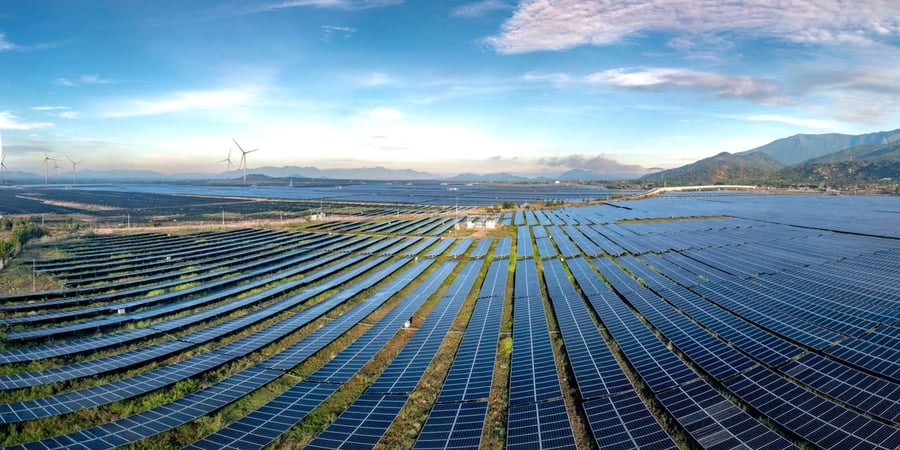
Remote heritage and archaeological sites often need reliable electricity for environmental sensors, security cameras, communications equipment, research devices, lighting, and visitor facilities. However, extending grid infrastructure to isolated locations can require difficult construction and ongoing maintenance. Generators offer flexibility but depend on fuel deliveries and servicing.
Off-grid solar power, particularly when combined with battery storage, provides another option. It can generate electricity locally and store energy for use after sunset or during periods of limited sunlight. Whether it is appropriate depends on the site's energy demand, environmental conditions, conservation requirements, security, access, and maintenance needs.
Why Remote Heritage Sites Have Complex Energy Needs
Remote sites may have relatively small electrical loads but still require dependable operation. Monitoring equipment can run continuously, while cameras, alarms, communications systems, and research devices may operate throughout the day and night.
Site access can make conventional power solutions more difficult. Fuel deliveries and repairs may require roads, boats, trails, or seasonal access. Heritage and archaeological considerations can also restrict where panels, cables, battery cabinets, poles, and foundations are installed.
For this reason, energy planning should consider the entire site rather than treating the solar system as an isolated piece of equipment.
Where Solar-Plus-Storage Can Support Site Operations
Off-grid solar can support low-power applications such as environmental sensors, data loggers, cameras, alarms, routers, radios, and satellite communication systems. These systems are especially useful at remote sites where grid access is limited or unavailable, providing reliable power for monitoring, security, and communication equipment.
Battery storage allows essential equipment to operate after sunset or during low solar generation. Proper sizing can prioritize critical loads and maintain essential site operations.
Can Solar Reduce Generator Dependence?
Solar-plus-storage does not necessarily have to replace generators. Instead, it can reduce generator runtime by supplying routine loads from stored solar energy. This can potentially reduce fuel transportation, engine servicing, noise, and unnecessary site visits.
A hybrid system may therefore be practical. Solar and batteries can handle suitable everyday loads, while a generator remains available during prolonged cloudy conditions, unusually high demand, maintenance, or emergencies.
Designing the System Around the Site
System design should begin with the actual electrical loads. Project teams should identify daily consumption, peak demand, operating schedules, and required battery autonomy. Seasonal solar availability, shading, weather, temperature, moisture, dust, wildlife, and physical security should also be considered.
Conservation requirements add another layer. Equipment placement and cable routing should minimize visual and physical disturbance, while archaeological sensitivity may affect excavation and foundations. Remote monitoring can help identify faults before a service visit becomes necessary.
Cost planning should cover the complete system, including panels, batteries, inverters, protection equipment, transportation, installation, maintenance, and future replacement. A reference such as solar battery price in Bangladesh can provide market context, but final costs vary by capacity, chemistry, configuration, freight, taxes, and project requirements.
Evaluating Battery Suppliers and Lifecycle Support
When comparing solar battery companies, buyers should examine technical documentation, certifications, battery-management features, inverter compatibility, communication protocols, warranties, replacement support, and technical assistance.
Avepower is one manufacturer that provides LiFePO4 energy-storage systems and OEM/ODM capabilities. However, supplier suitability should always be evaluated against the specific technical, environmental, and lifecycle requirements of the project.
Conclusion
Off-grid solar can support remote heritage and archaeological sites when energy requirements, site conditions, conservation restrictions, and maintenance realities align. Solar-plus-storage is particularly relevant for monitoring, security, communications, research equipment, and low-power lighting.
For project developers, EPC teams, installers, and distributors, the priority should be careful load assessment, appropriate battery autonomy, responsible equipment placement, lifecycle planning, and dependable supplier support. Organizations evaluating remote energy-storage solutions can consider Avepower's capabilities as part of their wider supplier research.
Copyright © 2026 California Business Journal. All Rights Reserved.
For California Business Journal Disclaimers, go to https://calbizjournal.com/terms-conditions/.


