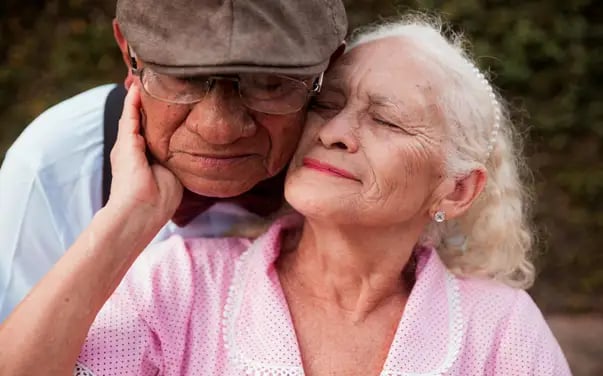
Some may lose friends or a spouse, while others may adjust to retirement or physical limits. These shifts can bring feelings of sadness, stress, or loneliness. When families and caregivers focus on emotional health, seniors often feel more supported, valued, and respected.
Promotes Stronger Connections
When seniors feel understood, they are more likely to build and maintain strong bonds with loved ones. Simple acts like listening, spending time together, or sharing memories can make a big difference.
Strong connections reduce feelings of isolation and create a sense of belonging. Relationships become deeper, and seniors often feel more engaged in family life. Friends and community also play a role.
Supports Physical Health
Emotional health has a strong link to physical health. Seniors who feel positive and supported often have better energy, stronger immunity, and healthier sleep patterns. Stress and loneliness, on the other hand, can lead to issues such as high blood pressure, poor appetite, or chronic fatigue.
Caregivers can support physical and emotional well-being together. Encouraging light exercise, healthy meals, and regular checkups helps seniors stay strong. At the same time, providing comfort and reassurance reduces worry. When emotional and physical health are cared for together, seniors are more likely to thrive.
Improves Daily Quality of Life
A good emotional state makes daily life more enjoyable. Seniors who feel happy and calm tend to take part in activities they enjoy. They may read, garden, paint, or walk with friends. These small actions bring purpose and joy. By understanding senior emotional health better, families can help loved ones live each day with more meaning and less stress.
Simple routines can also create a sense of security. Regular meals, hobbies, and social visits give seniors something to look forward to. This rhythm provides comfort, especially for those who may feel anxious about change. Even small traditions, such as weekly family dinners or phone calls, can lift their spirits.
Encourages Independence
When emotional health is supported, seniors often feel more confident and independent. They may be more willing to make decisions about their care, daily activities, and lifestyle. A positive emotional outlook gives them the courage to face challenges such as moving to a new home or adjusting to medical needs.
Independence also boosts self-esteem. When seniors manage parts of their routine on their own, even small tasks like cooking or handling finances, they feel capable and respected.
Reduces Risk of Depression and Anxiety
Many seniors struggle with depression or anxiety, often due to loss, illness, or major life changes. Early support and care for emotional health can reduce these risks.
Talking with loved ones, joining social groups, or seeking professional help are effective ways to cope. Preventing emotional struggles leads to a healthier and more peaceful life. Access to mental health resources is also important. Support groups, counselors, or community programs can offer safe spaces for seniors to share their feelings.
All About Senior Emotional Health
Emotional health plays a key role in the lives of seniors. It shapes how they connect with others, how they manage health, and how they enjoy daily life.
By giving attention to emotional needs, families and caregivers can help seniors feel more valued and understood. A focus on emotional well-being creates a stronger foundation for happy, healthy aging.
If you'd like to learn more, check out more articles on our blog.
Copyright © 2025 California Business Journal. All Rights Reserved.
For California Business Journal Disclaimers, go to /terms-conditions/.


