For years, companies in California competed for talent with office perks that looked good in recruiting photos: stocked kitchens, game rooms, wellness apps, and open-plan lounges. But as return-to-office (RTO) policies become more common, many of those benefits are losing their impact.
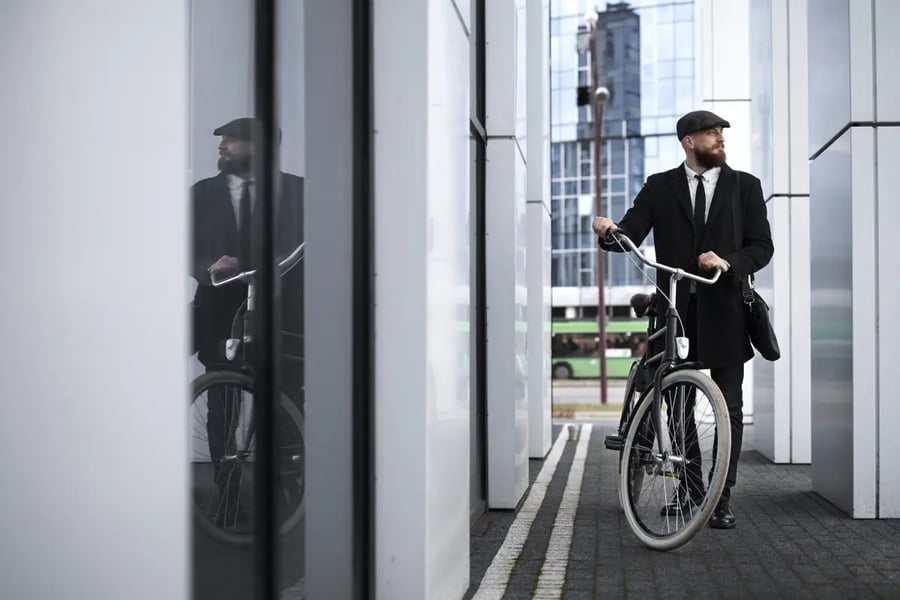
In metropolitan regions like Los Angeles, San Francisco, and the Bay Area, commuting has become one of the most emotionally and financially draining parts of the workday. As a result, the real battleground for talent retention has shifted outside the office walls.
The New Battleground for Talent: Commute Mitigation
Return-to-office mandates have exposed a fundamental disconnect between corporate expectations and daily reality. Employees may accept hybrid schedules, but long, unpredictable commutes are eroding morale and productivity.
Beyond the Company Car: The Rise of Two-Wheeled Fleets
Historically, companies addressed transportation through company cars or mileage reimbursements. In California’s urban centers, these solutions are increasingly inefficient. Cars sit in traffic, require expensive parking infrastructure, and contribute to emissions targets companies are trying to reduce.
This is where the electric motorcycle for adults enters the conversation as a serious commuter solution rather than a recreational novelty. These vehicles offer the ability to maintain traffic speeds, legally lane-split in California, and drastically reduce commute times compared to cars. From a cost perspective, they are significantly cheaper to subsidize or lease than traditional vehicles.
Wellness, Retention, and the “Fun” Factor
Commute mitigation is not only about time savings; it is about emotional state. Employees who arrive at work after sitting in gridlock are already mentally depleted. Those who commute on open-air electric vehicles report higher alertness, improved mood, and a clearer separation between work and home life.
This is where versatility matters. Vehicles with the DNA of an electric dirt bike provide more than weekday transportation. They support weekend recreation, exploration, and stress release—activities closely tied to long-term well-being.
When a benefit contributes to both productivity and personal enjoyment, it strengthens emotional attachment to the employer. That attachment is the foundation of retention.
The Financial Case for Employers
From a cost perspective, commuter mobility programs compare favorably with traditional perks:
- Parking efficiency: Electric motorcycles require a fraction of the space of cars, reducing parking lease costs or allowing higher density in existing facilities.
- Lower capital exposure: Subsidies or leasing programs cost far less than company cars while delivering comparable perceived value.
- Recruitment leverage: Unique, visible benefits attract younger, environmentally conscious professionals who prioritize flexibility and lifestyle alignment.
For startups and growth-stage companies, these programs can be positioned as opt-in benefits, limiting financial exposure while maximizing upside.
Spotlight: The HappyRun G300 Pro as a Corporate Commuter Benefit
In evaluating electric mobility options for corporate programs, durability, safety, and range are non-negotiable. The HappyRun G300 Pro fits this requirement by bridging the gap between commuter practicality and recreational versatility.
Implementation Without Disruption
Successful commuter benefit programs do not require radical change. Companies can start small:
- Offer pilot subsidies for employees within a defined radius.
- Partner with insurance providers to simplify coverage.
- Install basic charging outlets in existing parking areas.
Over time, usage data and retention metrics can guide expansion. The key is positioning mobility as a benefit that evolves with employee needs.
Conclusion: The Best Perk Isn’t in the Office
Workplace culture is no longer defined solely by what happens at a desk. It is shaped by how employees experience their entire day, beginning with the commute.
In California’s competitive talent market, companies that reduce daily friction gain a measurable advantage. By rethinking transportation as a benefit rather than a personal burden, employers can improve retention, advance ESG goals, and differentiate themselves in a crowded hiring landscape.
The most valuable perk is not what waits inside the office—it is how employees get there.
Copyright © 2026 California Business Journal. All Rights Reserved.
For California Business Journal Disclaimers, go to /terms-conditions/.


