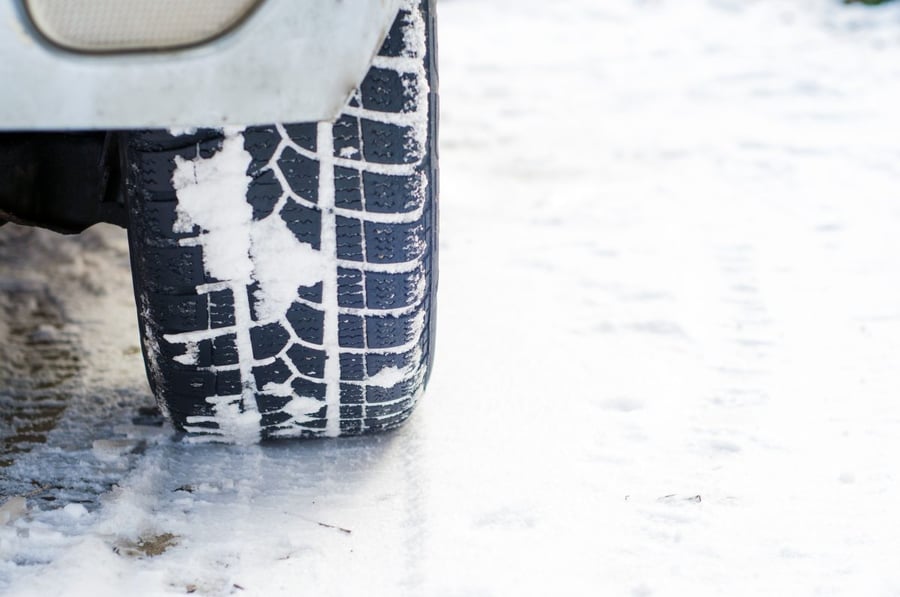
Winter driving presents a distinct set of risks that differ significantly from other seasons. In cities like Chicago, where heavy snowfall, freezing temperatures, and dense traffic patterns intersect, even experienced drivers face challenges that can quickly escalate into dangerous situations. Understanding how icy roads, snow removal operations, and reduced visibility contribute to accidents provides a clearer picture of why winter collisions occur—and who may bear responsibility when they do.
Icy Roads and the Limits of Vehicle Control
Ice is one of the most unpredictable hazards drivers encounter. Unlike rain, which typically allows for some degree of tire traction, ice—especially black ice—can be nearly invisible and drastically reduce a vehicle’s ability to maintain contact with the road. Even at low speeds, a car can lose stability during braking or turning, leading to skidding or spinning.
The issue is compounded by fluctuating temperatures. When daytime melting is followed by nighttime freezing, moisture refreezes into thin, slick layers that are difficult to detect. Bridges, overpasses, and shaded roadways are particularly prone to this cycle. Drivers may assume conditions are manageable based on surrounding pavement, only to encounter sudden loss of control in these isolated spots.
Responsibility in these situations often hinges on driver behavior. Maintaining appropriate speeds, increasing following distance, and ensuring proper tire condition are all factors that may be examined after an accident. While icy conditions are inherently hazardous, they do not eliminate the expectation that drivers adjust their behavior accordingly.
Snow Accumulation and Roadway Obstruction
Snow accumulation introduces a different type of hazard. As snow builds up on roadways, it can obscure lane markings, reduce available driving space, and create uneven surfaces that affect vehicle handling. In urban environments, plowed snow is often pushed toward curbs, narrowing lanes and limiting maneuverability.
This reduction in usable road space increases the likelihood of sideswipe collisions and makes it more difficult for drivers to avoid sudden obstacles. Intersections become particularly problematic when snow piles block sightlines, forcing drivers to inch forward into traffic to gain visibility. Parking restrictions and crowded streets further complicate navigation, especially in residential areas.
In these conditions, both municipal response and driver judgment play roles in accident prevention. Cities are generally responsible for clearing major roadways in a timely manner, but secondary streets may take longer to address. Drivers, in turn, are expected to recognize these limitations and proceed with caution, especially in areas where snow removal is incomplete.
The Role of Snow Plows in Traffic Incidents
Snow plows are essential for maintaining roadway accessibility during winter storms, but their presence introduces additional risks. These large vehicles operate at reduced speeds and often make frequent stops, turns, and lane shifts. Their size and limited maneuverability can create blind spots that smaller vehicles may not anticipate.
Accidents involving snow plows can occur when drivers attempt to pass them unsafely or misjudge their movements. Plows may also push snow into active lanes, creating temporary hazards for nearby vehicles. In some cases, drivers following too closely behind a plow may encounter reduced visibility due to blowing snow, increasing the risk of rear-end collisions.
Determining responsibility in these incidents can be complex. Municipal operators are generally required to follow specific safety protocols, including the use of warning lights and proper lane positioning. However, drivers are also expected to maintain safe distances and avoid interfering with plow operations. When accidents occur, investigators often review whether both parties adhered to these expectations.
Reduced Visibility and Reaction Time
Poor visibility is a defining feature of winter driving. Snowfall, fog, and early nightfall all contribute to conditions where drivers have less time to identify and respond to hazards. Wind-driven snow can create near-whiteout conditions, particularly on open roadways, while accumulated snow on windshields and mirrors can further limit visibility if not properly cleared.
Reduced visibility affects not only the ability to see other vehicles but also traffic signals, signage, and pedestrians. This can lead to missed stops, delayed reactions, and increased stopping distances. Headlights, while essential, can reflect off falling snow and create glare that further complicates visibility.
From a responsibility standpoint, visibility-related accidents often involve questions about preparation and attentiveness. Drivers are expected to clear snow and ice from their vehicles before driving and to use appropriate lighting. Failure to do so can contribute to liability, particularly if obstructed views are found to have played a role in the collision.
Evaluating Responsibility in Winter Accidents
Winter accidents rarely have a single cause. Instead, they typically result from a combination of environmental conditions and human decision-making. This is why post-accident evaluations often involve multiple layers of analysis, including road maintenance records, weather reports, and driver behavior.
In cities with heavy winter conditions, legal professionals—including Chicago car accident lawyers—frequently review whether municipalities met their obligations for snow and ice removal, as well as whether drivers took reasonable precautions given the circumstances. Factors such as road treatment timing, signage, and adherence to traffic laws all come into play when determining how responsibility is shared.
These evaluations highlight the importance of context. A driver who loses control on an untreated road may not be assessed in the same way as one who was speeding on a clearly hazardous surface. Similarly, a municipality’s liability may depend on whether it had sufficient time and resources to address conditions before an incident occurred.
Adapting Driving Behavior to Winter Conditions
Adapting to winter driving conditions involves more than simply slowing down. It requires a broader awareness of how environmental factors influence vehicle performance and road safety. This includes anticipating longer stopping distances, recognizing areas where ice is more likely to form, and understanding how snow accumulation alters traffic patterns.
Drivers who remain attentive to these factors are better positioned to avoid accidents, even in challenging conditions. However, the unpredictable nature of winter weather means that risks can never be fully eliminated. This reality underscores the need for both individual caution and effective municipal response to maintain roadway safety.
Accountability in Unpredictable Conditions
Winter driving hazards introduce a level of unpredictability that complicates both accident prevention and responsibility assessments. Icy roads, snow accumulation, snow plow activity, and reduced visibility each contribute to a driving environment where small miscalculations can have significant consequences.
Understanding how these factors interact provides a clearer framework for evaluating accidents when they occur. Responsibility is rarely absolute; instead, it reflects a balance between environmental conditions, driver actions, and municipal efforts to manage those conditions. In this way, winter accidents are not only about what happened on the road, but also about how well each party responded to the challenges that winter inevitably brings.
Copyright © 2026 California Business Journal. All Rights Reserved.
For California Business Journal Disclaimers, go to /terms-conditions/.


