
When Captain Lyle Prouse stepped into the cockpit of Northwest Flight 650 on March 8, 1990, he was carrying more than 58 passengers—he was carrying a blood alcohol content of 0.13 percent, more than triple the legal limit for pilots. His arrest that morning made headlines as the first commercial airline pilot convicted of flying while intoxicated, seemingly ending his career forever.
Yet five years later, Prouse was back in the cockpit, eventually retiring honorably as a 747 captain. His remarkable return wasn't luck - it was the result of a revolutionary program that has quietly become one of the most successful addiction treatment initiatives ever created.
The Human Intervention Motivation Study (HIMS) has transformed how the aviation industry approaches substance abuse. It's the gold standard in addiction treatment that other industries are beginning, or should begin, to embrace.

The Hidden Addiction Crisis in High-Stakes Professions
Pilots aren't the only professionals susceptible to addiction. Research shows that around 11% of executives have substance use disorder, alongside 9.9% of first responders and 8% of education, health, and related occupations.
Traditionally, these professions handled addiction with a zero-tolerance approach: “get caught, get fired.” The result? Secrecy, where struggling professionals would hide their problems rather than seek help. The fear of career destruction meant that addiction spiraled until a crisis forced it into the open.
For pilots in particular, a lifestyle consisting of irregular schedules, time apart from family, and little time for social life can make addiction spiral out of control. Hidden drug use, alcoholism, and a culture of fear kept addiction among these professionals at a standstill.
The aviation industry recognized this dangerous cycle and chose a different path. With the help of a grant from the National Institute on Alcohol Abuse and Alcoholism (NIAAA), they began developing an evidence-based system to treat addiction, improve the lives of pilots, and improve flight safety all at once. Since 1974, the HIMS program has become one of the most effective and successful addiction treatment programs among professionals.
What is the HIMS Program?
The Human Intervention Motivation Study began in 1974 as a joint effort between the Federal Aviation Administration (FAA), major airlines, and pilot unions. The program's core philosophy treats addiction as a chronic medical disease.
HIMS offers pilots living with addiction the opportunity to not only get the treatment they need to get their flying credentials back, but also begin the battle against their addiction and possibly start a new, sober life. Pilots can ask for help from their airline to enroll in treatment, whether they've had setbacks because of their addiction or are starting to recognize a downward spiral.
The HIMS Treatment Process
The HIMS program combines intensive inpatient and outpatient treatment with long-term monitoring and support. Here's how it works.
- When a pilot enters HIMS, they meet with addiction specialists who look at their addiction and, through assessments, create personalized, goal-oriented treatment plans. Whether a pilot is beginning to slip into alcoholism or drug use, or is at what they perceive to be rock-bottom, HIMS provides a plan that collaborates with pilots, their leadership, FAA officials, and even family members to get them back on track. Cost is covered by the pilot's airline.
- Initial treatment typically involves 30 to 90 days in an FAA-approved residential rehabilitation facility. Inpatient treatment is the gold standard for HIMS, and only rarely is outpatient treatment the first level of care. This intense start allows pilots to work alongside counselors to dig deep and heal through therapy, mental health treatment, family therapy, and more.
- Following residential treatment, pilots enter an extended monitoring phase that lasts a different length for each individual, but is typically three to five years. This includes regular drug and alcohol testing, ongoing counseling, participation in 12-step groups, and continued evaluations by aviation medical examiners. Throughout this process, pilots work closely with HIMS case managers who coordinate care and transition back into the cockpit.
Unprecedented Success Rates of HIMS
HIMS has remarkably high success rates that dwarf those of regular addiction treatment programs, with unheard of success in the area of relapse prevention. An estimated 80% of pilots who complete the program maintain long-term sobriety without relapsing a single time. For those who do relapse, most only do so one time before maintaining long-term sobriety. Compared to traditional relapse rates of 60%, it's hard to believe HIMS hasn't been implemented in many other industries.
Safety is yet another reason HIMS is so revered. Since the program began in 1974, there has never been a single commercial aviation accident or incident attributed to alcohol or drug use by a pilot participating in HIMS. Currently, more than 1,300 commercial pilots are flying under special medical certificates related to addiction recovery, with over 12,000 pilots having successfully completed the program since its inception.
Dr. Lynn Hankes, who operated an addiction treatment center specializing in aviation professionals, noted that pilots in his care were three times less likely to relapse compared to the general public. The success of HIMS represents thousands of careers saved, families preserved, and most importantly, the maintenance of aviation's extraordinary safety record.
The Key Factors Behind HIMS Success
Why is HIMS so effective compared to other traditional treatment programs?
Meaningful Consequences and Motivation
Dr. Hankes believes what makes the program work is called "leverage". Flying isn't just a job for most pilots; it's a calling, an identity, a childhood dream. The threat of permanent grounding provides the motivation pilots need to participate and complete the program, while the possibility of returning to flight duties offers continued hope even in the midst of their addiction.
Comprehensive, Long-term Support System
Typical inpatient treatment programs last around 30 or 90 days, and many don't require aftercare or follow-up with participants. HIMS provides years of continued aftercare through 12-step meetings. HIMS treats addiction as a chronic, lifelong disease, making peer support, check-ins, and aftercare a necessary part of the program.
What Does HIMS Teach Us?
The HIMS program demonstrates that addiction doesn't have to end careers or dreams. With proper treatment, aftercare, and the motivation to achieve sobriety, pilots can overcome substance abuse and return to the cockpits safely. More importantly, HIMS should be the template that other industries follow. Instead of punishing employees for being survivors of a lifelong disease, HIMS shows that industries have the payroll and power to support those living with addiction, their customers, and the countless lives impacted by addiction.
About the Author
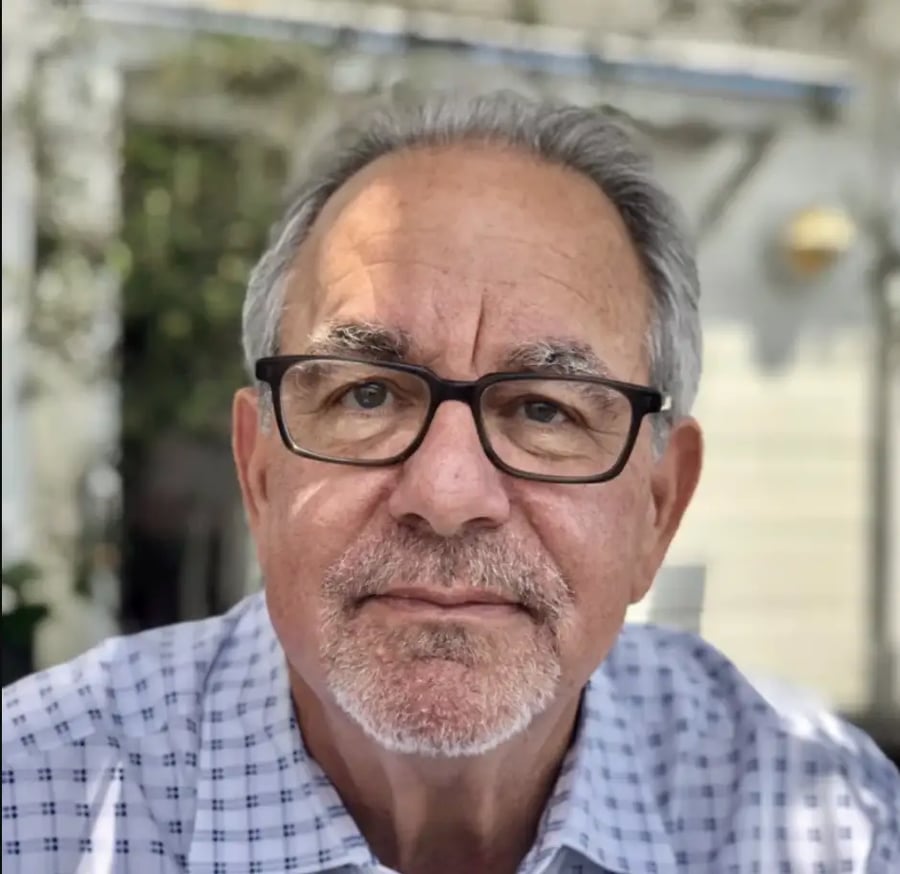 Scott H. Silverman is an addiction and recovery expert with 40 years of experience. He is the Founder and CEO of Confidential Recovery, a San Diego treatment program for addiction that specializes in helping active military service members, veterans, and first responders get and stay sober. He is also a founder and board member of The Veterans Navigation Center, a San Diego-based organization that helps veterans transition to civilian life.
Copyright © 2025 California Business Journal. All Rights Reserved.
For California Business Journal Disclaimers, go to /terms-conditions/.


