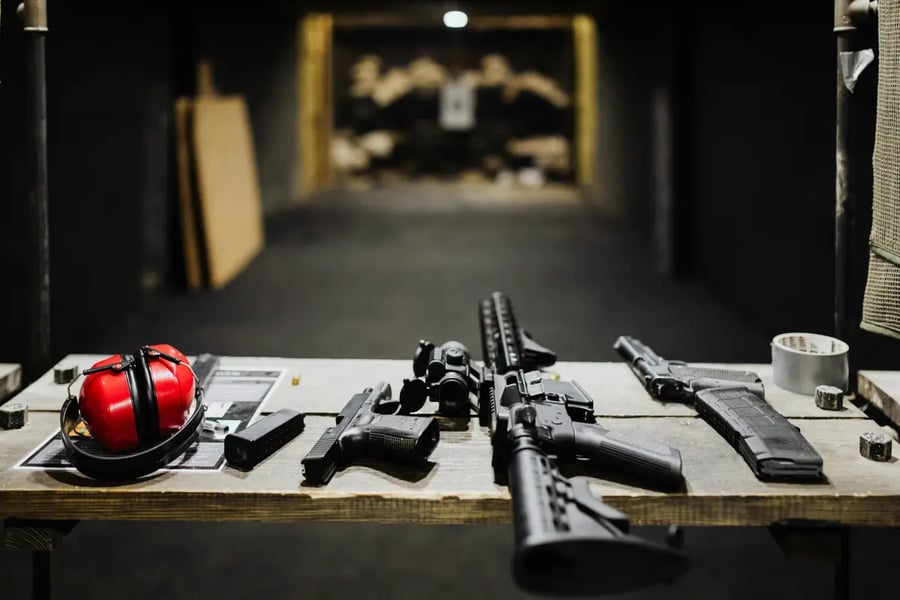
Gun ownership now asks for more than a purchase and a locked drawer. Sleep disruption, startle response, household traffic, and hand strength all affect safe handling. Earlier habits often centered on one firearm, with little review afterward. That pattern is changing. Owners are taking a broader clinical view of access, recoil control, secure storage, and upkeep demands. A well-matched setup can reduce avoidable error, improve judgment under strain, and support safer routines at home.
The Setup Is Bigger Than One Purchase
A firearm does not function as a complete safety plan by itself. Holsters, magazines, ammunition choice, secure storage, cleaning tools, and low-light support all influence day-to-day use. Looking at firearms products as one connected system helps owners assess compatibility, safe access, and maintenance burden before adding more equipment. That review often reveals overlap, poor fit, or missing basics. Careful planning begins by asking how each item performs under ordinary household conditions.
Storage Now Drives Early Decisions
Storage now enters the conversation much earlier, because speed and protection must coexist. Homes with children, overnight guests, caregivers, or repair crews need firm access boundaries. Quick-entry safes can shorten response time without leaving a weapon exposed. Placement matters as much as lock quality. Bedrooms, vehicles, and offices each create distinct concerns, including humidity, visibility, heat exposure, and delay during an acute stress reaction.
Carry Comfort Affects Real Use
An uncomfortable carry setup rarely stays in daily use for long. A pistol that feels manageable during a short fitting may become irritating after hours of walking, bending, or driving. Grip length, unloaded weight, and holsters can influence concealment and movement. Clothing changes function too. Thick winter layers can mask bulk, while summer heat increases friction, perspiration, and skin irritation during prolonged wear.
Ammunition Needs Deserve a Fresh Look
One ammunition load rarely serves every purpose with equal reliability. Practice sessions, home defense, and pest control may call for different ballistic behavior. Feeding consistency matters more than bright packaging or dramatic claims. Recoil impulse also affects shot recovery, especially in older adults or people with reduced grip endurance. Testing rounds in the actual firearm helps confirm accuracy, cycling, and control before that selection becomes standard.
Accessories Can Add Problems
Extra gear can offer value, yet each addition changes handling and attention demands. A mounted light improves target identification, though it also increases front weight. Optics may sharpen sight focus, but mounting height can alter presentation mechanics. Lasers, enlarged controls, and extended parts sometimes complicate basic tasks. Thoughtful owners often remove anything that adds bulk without solving a specific problem. Simpler setups usually support steadier habits.
Training Must Match the Actual Plan
Training needs to reflect likely use, rather than idealized scenarios. A bedside handgun requires different practice than a concealed-carry arrangement. Dry practice can strengthen motor patterns without range cost if safety checks remain strict. Live fire then confirms recoil management, sight return, and reload efficiency. Many owners reassess equipment after recognizing that their drills no longer match home layout, clothing choices, or carry routine.
Maintenance Should Be Sustainable
Maintenance plans fail when they demand more time than daily life permits. Some models tolerate neglect better than others, yet none remain dependable without regular care. Cleaning schedules should reflect carry frequency, dust exposure, perspiration, and local humidity. Lint inside a holster-carried handgun can build faster than expected. A compact kit with familiar tools usually works better than a large collection that stays untouched in storage.
Home Layout Changes Risk
Floor plan matters more than many owners first realize. Apartment walls may permit easier projectile passage than brick or concrete construction. Narrow hallways can restrict movement and limit sightlines during an emergency. Shared bedrooms create different concerns than a detached rural house. People who study room arrangement often reconsider safe placement, lighting, or firearm type. Those adjustments can reduce confusion when visibility drops and pulse rate surges.
Family Communication Matters Too
Household safety depends on clear, repeated communication. Every adult should understand storage rules, emergency roles, and access limits. Children need age-appropriate instruction that fits maturity, curiosity, and impulse control. Silence often leads to false assumptions, which can raise danger quickly. Smart owners revisit these conversations after a move, the arrival of a child, or another firearm purchase. Clear expectations turn isolated choices into a safer household practice.
Budgeting Favors Long-Term Thinking
A careful review can protect health, safety, and finances at the same time. Cheap holsters, dim lights, and weak safes often need replacement after short use. That pattern drains money faster than patient planning. Owners who buy in stages can prioritize secure storage, useful training, and dependable function before cosmetic changes. A balanced budget includes ammunition, instruction, and maintenance, rather than centering every dollar on the firearm alone.
Conclusion
Smart gun owners are stepping back to ask whether each part of their setup still supports safe, realistic use. That review extends beyond the firearm to include storage, carry comfort, training, maintenance, and household communication. Small changes can improve consistency, reduce unnecessary spending, and lower preventable risk during stressful moments. A sound system is usually built over time, and regular reassessment helps owners remain prepared, attentive, and responsible within the routines of daily life.
Copyright © 2026 California Business Journal. All Rights Reserved.
For California Business Journal Disclaimers, go to /terms-conditions/.


