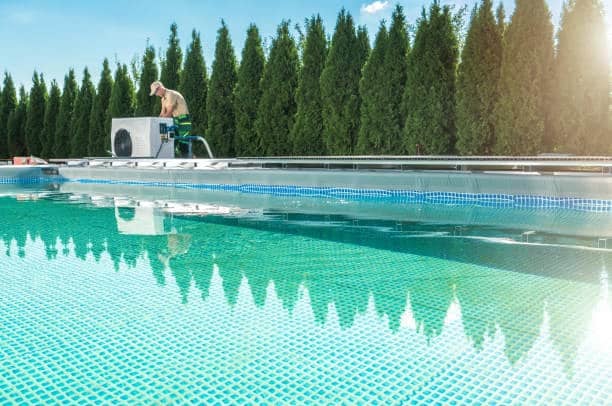
Maintaining a comfortable pool temperature is a priority for many homeowners, especially those living in regions with mild climates. With energy costs rising, finding an affordable and efficient way to keep your pool warm is essential. A thermal pool heater offers an energy-efficient solution for consistent heating throughout the year.
A pool heat pump is ideal in mild climates, where temperatures remain relatively stable. By extracting heat from the surrounding air, this device provides a sustainable and cost-effective way to enjoy a warm pool without high operational costs. Its efficiency and low maintenance make it the perfect choice for year-round use in moderate weather.
The Benefits of Energy-Efficient Pool Heating Systems
A pool heating system offers significant energy efficiency, especially in mild climates. Unlike gas heaters, which consume large amounts of energy, a heat pump uses ambient air to heat the water, reducing electricity consumption and lowering energy bills.
- Operates continuously in moderate temperatures, maintaining a stable pool temperature.
- It requires less power than traditional heating systems.
- Greener than gas or electric heaters, with fewer carbon emissions.
This technology provides an eco-friendly, cost-effective solution for keeping your pool warm while minimizing environmental impact.
Consistent Heating for Every Season
Regardless of whether you have an attached pool vs detached pool, heat pumps maintain a comfortable and stable temperature year-round, making them a versatile choice for many homeowners. These devices are designed to operate in temperatures above 5°C, ensuring they continue heating the pool even during the cooler months. This makes them perfect for areas where the weather doesn’t fluctuate dramatically, and the pool is used regularly throughout the year.
In contrast, gas heaters usually struggle to maintain efficiency in mild temperatures, requiring more energy to achieve the same results. A heat pump's consistent performance ensures that the pool stays warm without needing frequent adjustments, making it a reliable option for steady use.
Low-Maintenance Heating with Lasting Reliability
Heat pumps are known for their low-maintenance nature, another key advantage in mild climates. Since the weather isn’t harsh, the wear and tear on the system is minimal, meaning less frequent repairs or replacements are required. Regular maintenance is usually limited to cleaning filters and ensuring the system is debris-free, making it a hassle-free solution for homeowners.
Additionally, most heat pumps are built to last for many years. When properly maintained, they provide a reliable and durable heating solution. Many units also come with extended warranties, offering further peace of mind to those investing in a long-term solution for pool heating.
Lower Operating Costs for Year-Round Comfort
While the initial cost of a pool water heater may be higher than other heating methods, it is more cost-effective over time. These units have lower operating costs in mild climates, making them an excellent investment for pool owners. Since they don’t require high amounts of energy to operate, the cost of running the heat pump remains manageable throughout its lifespan. A swimming pool heater can significantly reduce overall heating costs for homeowners who use their pools frequently. Providing efficient and affordable operation allows swimmers to enjoy comfortable water temperatures without worrying about escalating utility bills.
A pool heat pump is the perfect solution for owners in mild climates. It offers energy-efficient, reliable, and low-maintenance heating while keeping operational costs low. With minimal environmental impact and long-lasting durability, a heat pump provides the best value for those seeking an affordable, efficient, and sustainable way to heat their pools year-round. The benefits of using a pool heating system make it an excellent choice for those living in moderate climates.
Copyright © 2025 California Business Journal. All Rights Reserved.
For California Business Journal Disclaimers, go to /terms-conditions/.


