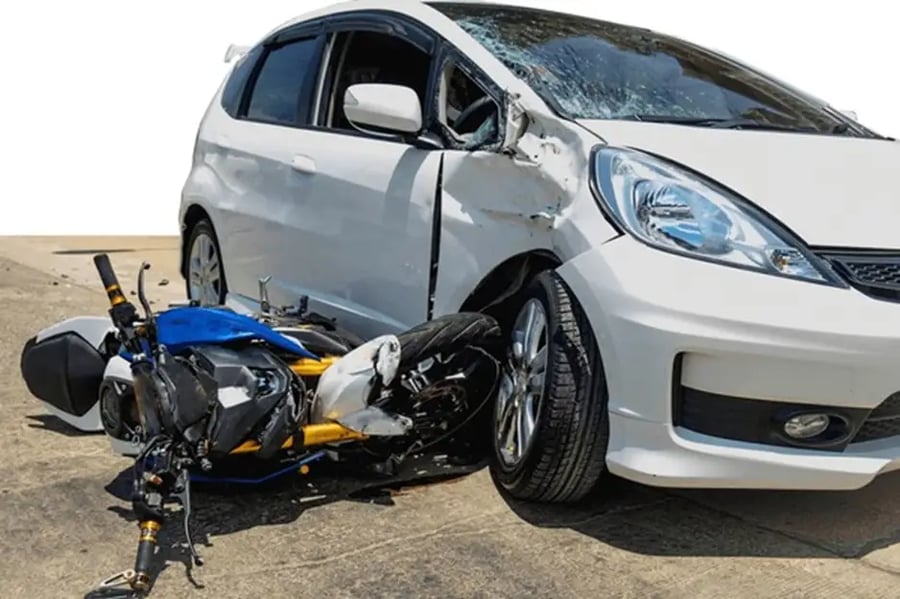
Motorcycle accidents often lead to more severe injuries and more complicated claims than car accidents. Riders face greater risks on the road because they have less protection, and insurance companies sometimes treat these cases differently, making it harder for victims to get fair compensation.
Understanding how motorcycle accident claims work — and why they differ from standard car accident cases — is essential for protecting your rights after a crash. Motorcycle accident lawyers can help you understand your rights and guide you through the claims process to get the compensation you deserve.
The Nature of Motorcycle Accidents
Motorcycles are smaller and less protected than cars. Because of this:
- Riders are more exposed during a crash.
- Injuries tend to be more severe.
- Motorcycles can be harder for other drivers to see.
These factors affect how accident claims are handled.
Key Differences Between Motorcycle and Car Accident Claims
Motorcycle accident claims differ from car accident claims in several ways that affect the process, evidence, and compensation.
Types of Injuries in Motorcycle Accidents
Motorcycle accidents often cause more serious injuries. Some common types include:
- Road rash and skin injuries.
- Broken bones.
- Head injuries even when wearing a helmet.
- Spinal cord injuries and paralysis.
Because injuries are usually more severe, medical bills and recovery times tend to be higher. This impacts the amount of compensation claimed.
Liability Issues
Determining who is at fault can be different in motorcycle accidents:
- Other drivers may blame the motorcyclist due to stereotypes about risky riding.
- Motorcyclists may be accused of speeding or reckless behavior.
- Witnesses might be less likely to help because motorcycles are smaller and less visible.
These challenges can make proving liability tougher for motorcyclists.
Insurance Coverage Differences
Motorcyclists and car drivers often have different insurance policies:
- Motorcycle insurance may cover fewer damages or offer lower limits.
- Some motorcyclists may not have insurance at all.
- Car insurance companies might try to reduce payouts for motorcycle accidents, claiming a higher risk.
This impacts negotiations and settlement offers in claims.
Evidence Gathering
Collecting evidence after a motorcycle accident might require extra steps:
- Motorcycle damage may be less visible or severe, making it harder to prove the crash details.
- Injuries visible on the rider are vital evidence.
- Helmet and protective gear conditions can provide clues.
- Video footage or eyewitness accounts are very important.
Strong evidence is key to winning a claim.
Compensation Types in Motorcycle Accident Claims
The types of damages claimed may differ, including:
- Medical expenses for serious injuries.
- Costs for physical therapy and long-term care.
- Compensation for pain, suffering, and emotional distress.
- Loss of income if the rider cannot work.
- Damage to the motorcycle and gear.
Because injuries tend to be more serious, compensation often covers more than typical car accident claims.
Legal Challenges Specific to Motorcycle Claims
Motorcycle claims face some unique legal hurdles:
- Some states have laws, like "helmet laws," that can affect claims.
- Courts may hold riders partly responsible due to the assumed risks of riding.
- Cases sometimes require expert testimony on motorcycle safety.
Conclusion
Motorcycle accident claims are distinct from car accident claims due to higher injury risks and complex liability, insurance, and evidence issues. Injured motorcyclists should consult a legal expert to navigate these challenges and protect their rights to fair compensation.
Copyright © 2025 California Business Journal. All Rights Reserved.
For California Business Journal Disclaimers, go to /terms-conditions/.


