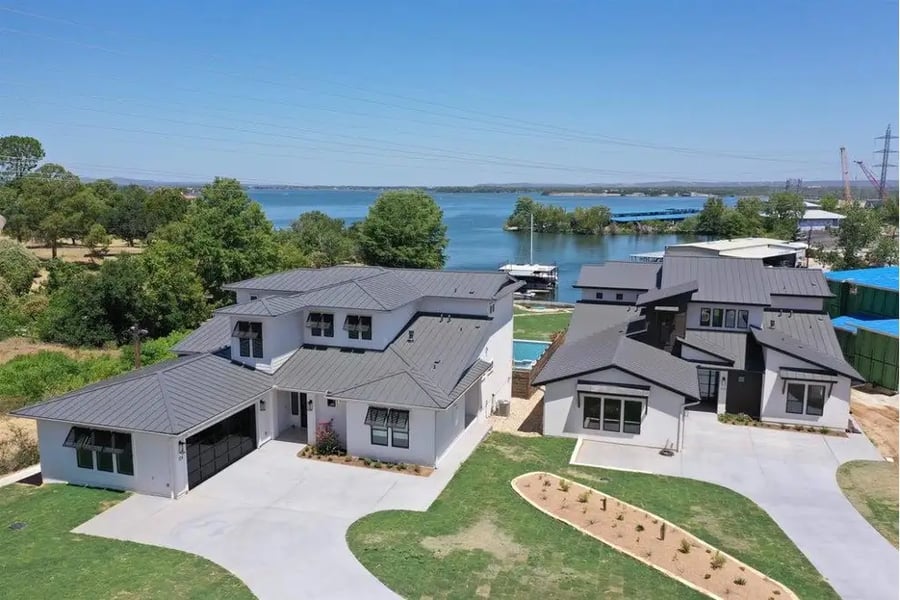
A Quiet Lake With Serious Investment Buzz
If you’ve been scanning Texas real estate lately, you’ve probably noticed one trend: everyone’s talking about the Hill Country lakes. While Austin’s urban prices keep climbing, investors are quietly shifting toward Lake LBJ, where lifestyle and long-term growth meet in one perfect waterfront combo.
As demand continues to spill outward from the city, more buyers are broadening their search to include lake homes near Austin, where proximity to major employment hubs combines with long-term lifestyle appeal. These properties attract both end-users and investors looking for resilience against urban volatility, especially in markets like Lake LBJ that balance accessibility with limited waterfront supply.
But is it just hype, or a solid investment play for 2025? Let’s look at the numbers, trends, and what makes this lakefront market so resilient.
1. Stable Housing Market (Regardless of Interest Rate Fluctuations)
Like most other resort communities, the Lake LBJ housing market has demonstrated stability during periods of rising interest rates. Recent Central Texas MLS reports demonstrate that Horseshoe Bay-Kingsland lakefront home values increased between 8-10 percent year-over-year while nationwide lakefront averages dropped.
This relative stability is due to a combination of low inventory of lakefront homes; consistent second home demand and increasing popularity of the region as a primary residence among remote workers. In other words, low inventory + consistent lifestyle demand = stable and sustainable long term price growth.
2. People Are Moving from Texas Cities to the Surrounding Lakes, Driven by Migrating Texans
Already one of the fastest-growing states in the U.S., Texas is seeing an interesting trend as people are no longer just migrating to cities, they are now going to smaller, lakeside communities that can be reached with a 1-2 hour commute from either Austin or San Antonio.
Lakeside living on Lake LBJ is at its best; offering the beauty of natural surroundings, while being quiet and still having access to Austin or San Antonio for a quick weekend getaway. As a result, retirees, remote workers, and investors alike have identified the benefits of balancing work and life, which has led to a constant stream of highly qualified, well-financed buyers looking to buy a home, even in periods where mortgage interest rates are rising.
3. Rental Demand Keeps Occupancy High
Short-term and seasonal rentals are no longer “nice extras.” They’re major profit drivers.
The average lakefront property near LBJ commands $450 – $650 per night during peak season, with 70–80% occupancy between May and September. Well-staged homes with docks or boat access often book out months in advance.
Even off-season, corporate retreats and weekend travelers keep calendars filled—something few rural markets can match.
So, a smart investor doesn’t just own a vacation spot—they own a business that runs year-round.
4. Infrastructure & Amenities Are Catching Up
Once a quiet boating destination, the Lake LBJ region is modernising fast. New restaurants, boutique hotels, marinas, and upgraded highways have improved accessibility from Austin, San Antonio, and Houston.
Developments in Horseshoe Bay Resort and along Highland Haven have raised the area’s profile, while still preserving that “no-rush, no-traffic” feel buyers crave.
Every new amenity adds long-term value – and investors who buy early often capture that uplift first.
5. Low Holding Costs Compared to Urban Texas
While Austin property taxes and insurance rates have spiked, most Lake LBJ homes remain lower on overhead. Utility costs, HOA fees, and maintenance expenses are also more manageable, particularly for newly built energy-efficient homes.
Add in Texas’ no state income tax, and your net yield on a lakefront investment can beat many urban rentals by 2–3 points annually.
6. Emotion Still Drives Market Value (And That’s a Good Thing)
Here’s the underrated factor: Lake LBJ homes aren’t just numbers, they’re emotional investments. Buyers fall in love with the sunsets, the boat mornings, and the weekend community.
That emotional pull means well-kept properties sell faster and above asking. You’re not competing with bargain hunters; you’re appealing to lifestyle seekers who value experience over price.
7. Timing matters in real estate – as does the season.
While it’s true that property values have generally been trending upwards for the long term, there are better times of year to buy and sell than others. Typically, off-season (October to February) has less competition among buyers and therefore, typically lower pricing for those sellers willing to negotiate.
Seasoned investors look to take advantage of the off-season by locking-in their potential for equity growth prior to the typical Spring-Summer buying frenzy.
When you watch the market and wonder when to take action, speak with an area expert that understands the small changes in lake level, zoning or marina accessibility can create large swings in property value.
Final Thoughts
Real estate is rarely simple, but Lake LBJ offers something rare in 2025: stability, beauty, and scalable ROI. Whether you’re diversifying your portfolio or buying your first waterfront getaway, this region rewards patience and good timing.
To explore Lake LBJ homes for sale or get a custom market analysis, connect with Chad Thibodeaux, a local real estate broker in Texas, and the HSB Sales team, your local experts for every stage of lakeside ownership.
Copyright © 2025 California Business Journal. All Rights Reserved.
For California Business Journal Disclaimers, go to /terms-conditions/.


