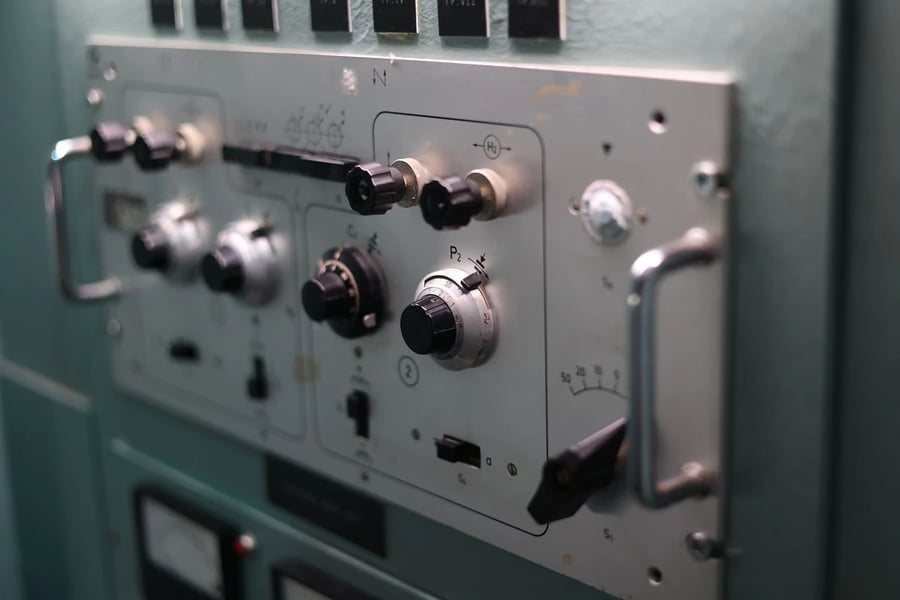
If you follow manufacturing trends in the United States, you’ve probably noticed a pattern: everyone loves talking about AI, automation, and connected systems, but the hardware running on the factory floor gets far less attention. That’s a mistake. In American plants, warehouses, and processing facilities, rugged industrial hardware often determines whether digital transformation works smoothly or turns into an expensive headache with blinking lights and frustrated operators.
The U.S. manufacturing push has made sourcing decisions more strategic
American manufacturers have been rethinking supply chains, domestic production, and operational resilience.
That shift affects hardware buying choices more than many teams expect. Lead times, support availability, replacement cycles, and product consistency all become strategic issues when plants need dependable infrastructure for years, not months.
In that context, DYNICS manufactures industrial hardware in the United States, which connects directly to a bigger conversation about domestic production capacity and equipment reliability. For operations leaders, sourcing industrial computing hardware from a U.S.-based manufacturer can influence support responsiveness, procurement planning, and confidence in long-term deployment.
This isn’t about waving a flag for dramatic effect. It’s about practical operations. If a company depends on industrial hardware in mission-critical settings, where and how that hardware is built can shape risk, maintenance planning, and uptime expectations.
Industrial hardware is the part of tech you can’t afford to ignore
When people picture factory technology, they usually think of software dashboards, robotic arms, or analytics platforms.
Yet the hardware layer does the heavy lifting. Industrial PCs, operator panels, touchscreens, embedded systems, and machine interfaces sit in hot, dusty, vibrating environments where consumer-grade gear would give up almost immediately.
That matters because downtime is expensive in ways that spread fast. One failed panel can stop a production line, delay shipments, and force technicians into reactive mode. In sectors like food processing, automotive, logistics, and energy, reliability isn’t just a nice feature. It’s part of the business model. If your plant equipment can’t survive daily punishment, your digital strategy starts looking pretty flimsy.
Smart factories only look smart when the physical systems hold up
The phrase “smart factory” can sound polished enough to belong in a slide deck, but real manufacturing is messy.
Equipment deals with vibration, airborne debris, temperature swings, washdowns, electrical noise, and constant use across multiple shifts. Hardware in that environment needs to be durable, serviceable, and designed for long operating life, not for a quiet desk next to a latte.
You can see the difference in simple scenarios. A touchscreen used by gloved workers needs responsive input and a display that remains readable in variable lighting. A panel PC mounted near machinery needs thermal management that won’t buckle under pressure. A warehouse terminal might need to run nonstop without acting dramatic every time the temperature changes. The smartest software stack in the world won’t help much if the screen freezes during a shift change.
Choosing industrial hardware takes more than comparing spec sheets
It’s easy to get distracted by processor speed, memory, and display size.
Those details matter, but they’re only part of the decision. You also need to look at ingress protection, mounting options, fanless design, shock resistance, thermal tolerance, expansion capability, and compatibility with existing control systems. In plain terms, the box has to survive your reality, not just impress procurement.
Copyright © 2026 California Business Journal. All Rights Reserved.
For California Business Journal Disclaimers, go to https://calbizjournal.com/terms-conditions/.


