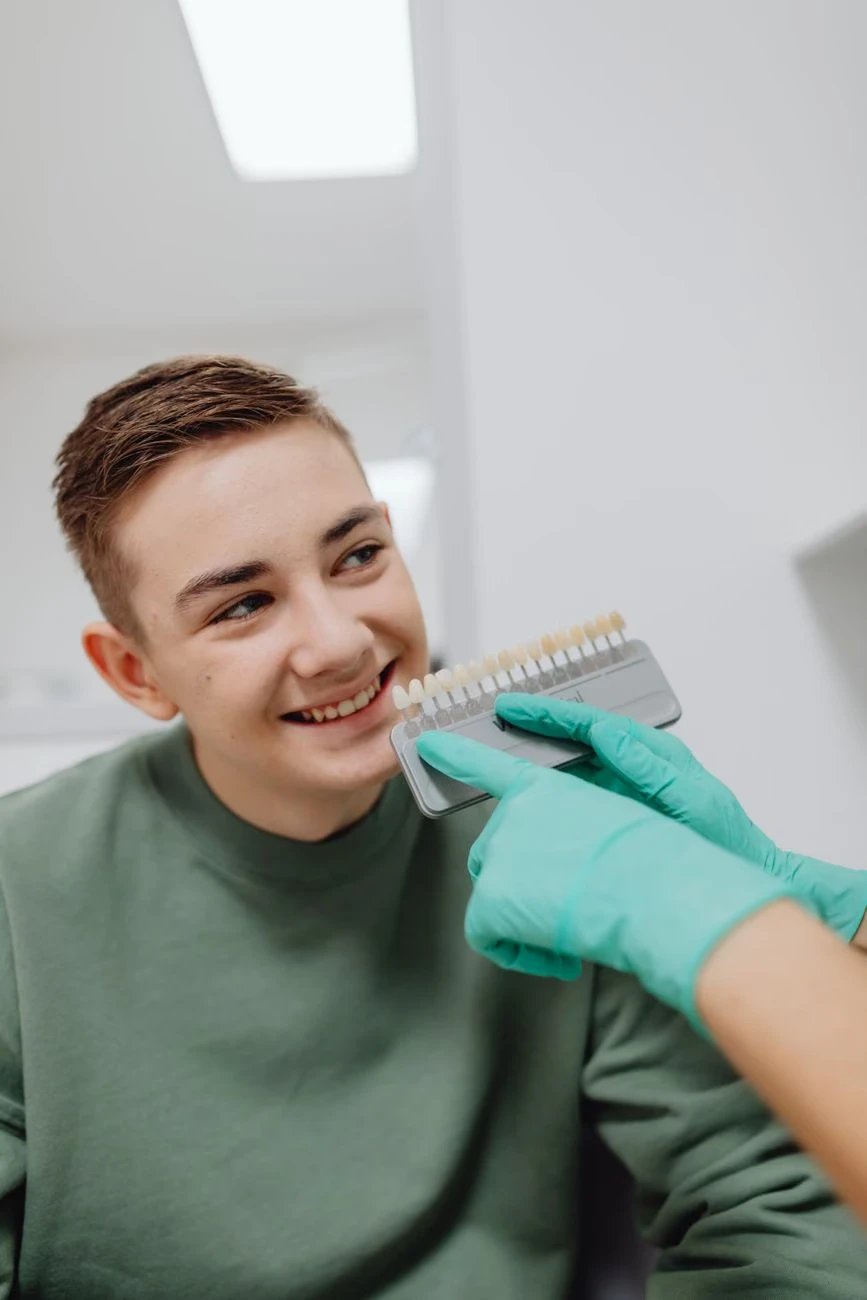
Anyone who's had their teeth professionally whitened has probably noticed the same disappointing pattern: the results look dramatic at first, and then, gradually, the brightness seems to soften. It's tempting to assume something went wrong, either with the treatment or with aftercare, but in reality, some degree of fading is a normal, expected, and well-documented part of how tooth whitening works. Understanding why it happens, and which parts of it are actually preventable, makes it much easier to get a realistic result that lasts.
Fading Is Built Into How Whitening Works, Not a Sign of Failure
Teeth whitening works by using a peroxide-based bleaching agent, hydrogen peroxide or carbamide peroxide, that penetrates the tooth and breaks down the compounds responsible for internal discoloration. A published clinical study following patients using two different 10 percent carbamide peroxide whitening products for six months found that both products produced significant color improvement, but one showed 27 percent relapse in the following months while the other showed 18 percent, even though both remained noticeably whiter than the patients' original shade throughout the study period.
Two Different Things Are Actually Happening
Fading after whitening isn't a single process, it's two separate mechanisms that tend to get lumped together:
New surface staining happens the normal way any tooth accumulates color over time: from coffee, tea, red wine, certain foods, and tobacco building up pigment on the enamel surface. This kind of staining is entirely behavioral, meaning diet and habits directly influence how quickly it reappears, and it responds well to a professional cleaning, which can lift much of that surface pigment without any additional bleaching at all.
Most people experience some combination of both, which is part of why whitening results can feel like they're fading faster than expected even in someone with genuinely good habits.
What Actually Influences How Long Results Last
A few factors consistently show up across the research as meaningful influences on how long whitening results hold:
Treatment method. Professional in-office whitening tends to produce results lasting roughly one to three years, dentist-supplied take-home trays commonly last six months to a year or more, and over-the-counter strips or gels typically fade within a few months to about six months, largely because these methods use lower peroxide concentrations for shorter, less controlled periods.
Starting shade and individual biology. People starting from a more heavily discolored baseline sometimes see a larger overall shift and, correspondingly, a more noticeable relapse, simply because there was more color change to begin with.
What This Means for Setting Realistic Expectations
The most useful mental model isn't "will my whitening last forever," since none of the available methods produce a permanent result. It's closer to: results fade in two ways, one that's mostly within a person's control through diet and habits, and one that's a gradual chemical process that touch-ups can help manage but not fully prevent. Anyone considering whitening benefits from having this conversation upfront, including realistic timelines for their specific treatment method, so the natural fading that will eventually happen doesn't feel like something went wrong. An overview of teeth whitening in Clairemont from Bayside Dentistry covers how in-office and take-home whitening options differ in both initial results and how long those results tend to hold, which is useful context for setting expectations before starting.
The Bottom Line
Some fading after teeth whitening isn't a flaw in the treatment, it's a documented, expected part of how the process works. Clinical research consistently shows meaningful relapse in the months following treatment, alongside results that remain significantly whiter than baseline for a long time afterward. Understanding the difference between preventable surface staining and largely unavoidable internal color regression is what actually allows someone to get the most out of their results, through diet, habits, and periodic touch-ups, rather than being surprised when a bright result gradually settles into something more moderate.
Copyright © 2026 California Business Journal. All Rights Reserved.
For California Business Journal Disclaimers, go to https://calbizjournal.com/terms-conditions/.


