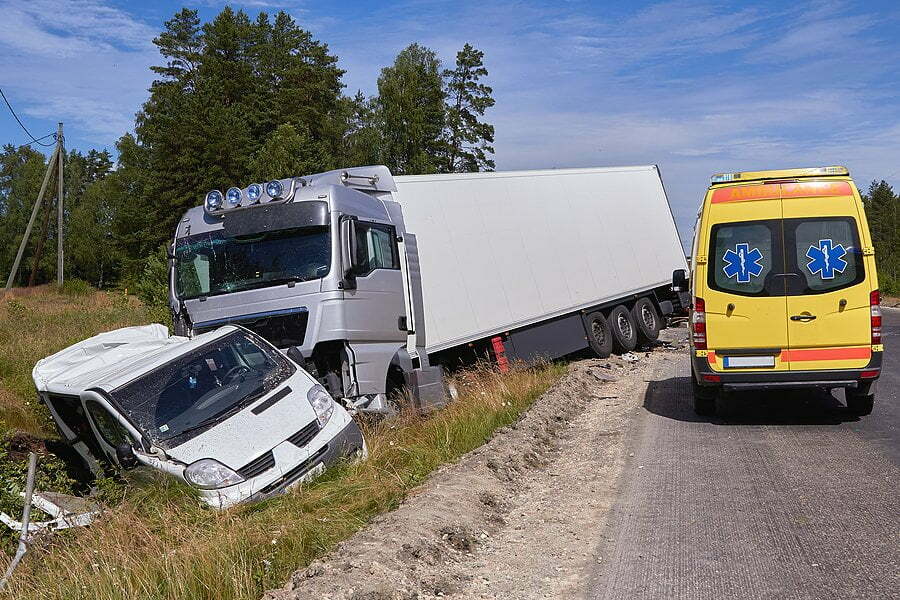
Truck crashes often result in serious injuries and significant financial consequences. Medical expenses, lost income, and ongoing care needs can quickly exceed insurance coverage limits. Insurance alone may not fully address the damages caused by a major truck accident. Understanding legal rights and pursuing proper compensation is essential to protect both financial stability and long-term recovery.
Knowing the options available after a serious truck crash helps ensure that victims can recover the full scope of their losses and hold responsible parties accountable.
The Limitations of Insurance After a Truck Accident
Insurance companies are required to pay for damages, but policies often have caps, exceptions, and conditions that can limit compensation. Carriers may try to reduce payouts, argue about fault, or underestimate the seriousness of injuries. Even if a policy seems comprehensive, it may not account for lost income, long-term medical treatment, or other ongoing costs. Serious truck crashes often involve multiple parties, including drivers, trucking companies, and subcontractors, making insurance settlements complicated. That is why victims often seek legal help after a truck crash, ensuring they do not accept less than what is needed to fully recover.
The Real Cost of Serious Injuries
Truck crashes frequently cause catastrophic injuries such as spinal cord damage, head trauma, broken bones, or internal injuries. Emergency care, surgeries, hospital stays, and rehabilitation can generate enormous medical bills in a matter of days.
Even after initial treatment, long-term care, ongoing therapy, and assistive devices may be necessary. Insurance may only cover part of these expenses, leaving families to shoulder the rest. In addition to medical costs, serious injuries can affect a person’s ability to work, creating further financial strain. Recovering fully requires planning for both immediate and future needs.
Legal Options Beyond Insurance
Insurance is only one part of the equation. The law allows victims to pursue compensation from the parties responsible for the crash. Trucking companies, drivers, and sometimes manufacturers can be held accountable through civil claims or lawsuits. Legal action ensures that all damages, including those not covered by insurance, are considered.
Filing a civil claim allows victims to address lost wages, medical bills, rehabilitation costs, pain and suffering, and long-term impacts. It also provides a structured process for negotiating with insurance companies and pursuing fair settlement amounts.
The Role of Evidence and Documentation
A strong claim depends on thorough documentation. Police reports, witness statements, medical records, and photos of the crash scene all contribute to proving the severity of injuries and liability. In cases involving significant injuries or disputed fault, accident reconstruction experts may be brought in to establish exactly how the crash occurred.
Detailed financial records, pay stubs, and tax documents demonstrate lost income and earning capacity. Clear, organized evidence strengthens a claim and helps ensure victims receive compensation that reflects the full impact of their injuries.
Why Acting Quickly Matters
Timing is critical after a truck crash. Filing claims and collecting evidence early ensures that nothing is lost and strengthens the case. Statutes of limitations set strict deadlines for pursuing legal action, and missing them can eliminate the opportunity for recovery.
Early legal guidance also helps prevent mistakes when speaking to insurance representatives or signing settlement agreements. Victims can focus on healing while their legal team handles negotiations and claims, making sure rights are protected and compensation is properly pursued.
Combining Insurance and Legal Action for Full Recovery
Insurance payments alone rarely address the total financial and personal impact of a serious truck accident. By combining insurance with civil legal action, victims can pursue compensation for medical expenses, lost income, rehabilitation, pain and suffering, and any permanent disability caused by the accident.
Legal support ensures that victims do not settle for less than they are entitled to, and that recovery covers both immediate and future costs.
What to Expect During the Process
- Initial consultation with a lawyer to review the case.
- Collection of evidence, medical records, and financial documents.
- Investigation into fault and responsibility.
- Negotiation with insurance companies and responsible parties.
- Filing a civil claim or lawsuit if necessary.
- Seeking compensation for both current and future damages.
A structured approach ensures that all losses are accounted for and that the claim reflects the true severity of the accident’s impact.
Wrap Up!
Serious truck accidents create consequences that extend far beyond what an insurance policy can cover. Medical expenses, lost income, rehabilitation, and long-term impacts often require a legal strategy in addition to insurance settlements.
Seeking legal help after a truck crash is an essential step to protect financial stability and future well-being. Proper guidance makes sure the full scope of injuries and losses is addressed, giving victims a stronger foundation for recovery.
Copyright © 2026 California Business Journal. All Rights Reserved.
For California Business Journal Disclaimers, go to /terms-conditions/.


