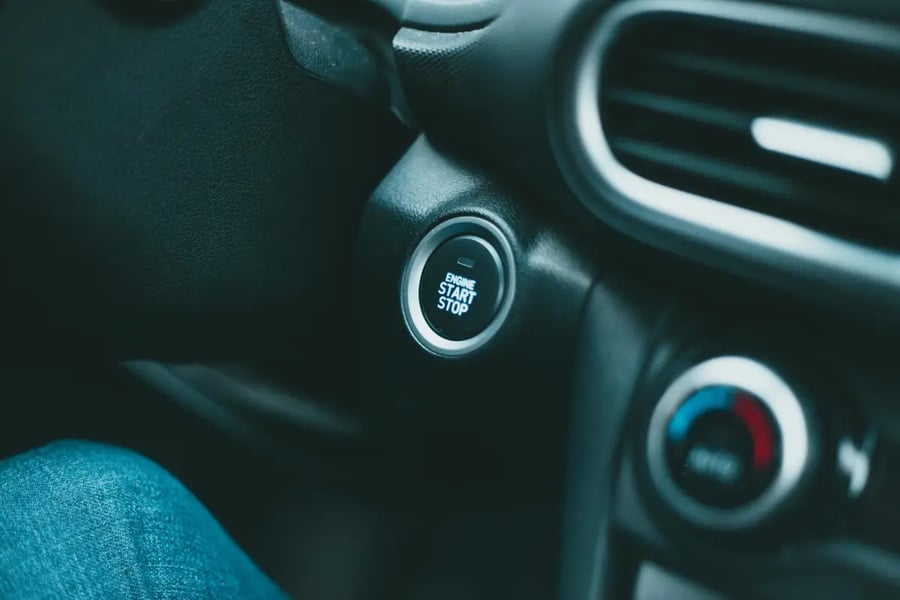
A parked vehicle still uses electricity after the engine stops. Security modules, clocks, radios, and memory circuits keep drawing current, even during quiet storage. That small demand can weaken a starter battery far sooner than many drivers expect. Owners who leave a car unused for days or weeks often meet the result at the worst moment, with a slow crank, a flat cell, or a morning that starts with cables instead of confidence.
Silent Drain
Parasitic draw is easy to overlook because nothing looks wrong while the car sits. Yet current keeps moving through background systems, and a battery disconnect switch for car setups can interrupt that drain before reserve capacity slips too far. That matters for seasonal storage, irregular commuting, or weekend use, where repeated idle periods quietly chip away at starting power until ignition becomes uncertain.
Storage Math
Starter batteries lose ground through time as much as use. A modest key-off draw, left unchecked, keeps pulling charge hour after hour. Several weeks of inactivity can reduce voltage enough to affect cold starts, especially in lower temperatures. Chemistry also slows in cooler conditions, which leaves less available cranking strength. A manual cutoff changes that pattern by halting background consumption before those losses stack up.
Battery Life
Lead-acid batteries tolerate brief starts well, but repeated deep discharge wears them down early. When charge remains low for extended periods, sulfation develops more readily, and each episode further degrades plate performance. That decline often shows up as slower turnover, weaker reserve capacity, or sudden failure after a normal stop. Preserving charge between drives helps limit avoidable stress and gives the battery a better chance at a longer service life.
Safer Repairs
Basic electrical work becomes less risky when power can be stopped quickly at the source. A disconnect switch creates a clear break before accessory installation, drain testing, or cable service begins. That step reduces the chance of accidental shorting with a tool near metal surfaces. For people handling routine maintenance at home, a simple cutoff is usually faster and cleaner than loosening a terminal clamp every time.
Theft Friction
Security gains here are modest, yet still useful. If the battery is isolated, the usual start sequence fails, which can frustrate a casual theft attempt. That does not make a vehicle theft-proof, and no sensible owner should treat it as a complete security plan. Still, older cars, project builds, and lightly used second vehicles benefit from any extra obstacle that delays unauthorized movement.
Small Cars' Benefits
Compact vehicles often have limited battery capacity and tight engine bay clearance. Those traits make stored charge more precious and terminal access more awkward. In a small roadster or second car used only occasionally, a quiet parasitic load becomes noticeable sooner. A compact switch at the negative terminal can be easier to reach than a wrench, which makes regular use more likely during short storage periods.
What It Does Not Fix
A cutoff switch prevents drain, but it does not diagnose a failing charging system or rescue an exhausted battery. Corroded connections, internal plate damage, and alternator faults still require proper testing. Some vehicles may also lose memory settings after power is interrupted, including clock time, radio presets, or learned control behavior. Drivers should see this part as prevention, not a replacement for sound electrical troubleshooting.
Choosing A Simple Design
The best low-cost option is usually the simplest one that fits securely and operates without fuss. Good contact surfaces matter because poor connections can create resistance and heat. Clearance matters too, especially where battery trays sit close to body panels or braces. A switch that feels awkward, loose, or flimsy tends to go unused. Practical design wins here, because convenience drives consistent habits more than extra features.
Cost Versus Hassle
Value is easiest to see in avoided problems. One switch can help prevent a no-start event, a roadside jump, or an early battery replacement, each of which costs far more than the part itself. It also saves time before storage and reduces repeated terminal loosening during maintenance. Few inexpensive upgrades offer such direct protection against inconvenience while requiring so little effort from the owner.
Conclusion
Low-cost upgrades matter when they solve a common problem with a clear, repeatable benefit. A battery disconnect switch helps preserve charge during storage, lowers maintenance hassle, and adds a modest security barrier. It cannot correct every electrical fault, and it should never replace proper diagnosis. Even so, for cars that sit regularly, this small hardware change can prevent outsized trouble and make ownership feel calmer, simpler, and more dependable.
Copyright © 2026 California Business Journal. All Rights Reserved.
For California Business Journal Disclaimers, go to /terms-conditions/.


