Carrying a licensed firearm requires serious thought long before a permit is approved. Many first-time carriers feel confident yet uncertain, which makes preparation essential. Choosing to carry affects daily routines, personal awareness, and reactions to stressful situations. It is not simply ownership, but a lasting responsibility that influences behavior and decision-making each day.
Orlando often attracts interest in personal protection because of its busy lifestyle and diverse environments. This variety exposes people to different situations and risks. A strong foundation begins with realistic expectations, steady discipline, and a willingness to learn beyond basic requirements. Anyone considering this step benefits from understanding legal responsibilities, mental readiness, and habits that support safe choices.
Legal Obligations Every Permit Holder Should Understand
A firearm license grants permission to carry, but responsibility depends on legal knowledge. Each state defines when force is lawful, what qualifies as self-defense, and how carriers must behave in public or official encounters.
Reading laws is important, but real understanding grows through guidance from instructors or experienced professionals. Laws must be applied correctly during stressful moments. Permit holders who know legal boundaries reduce the risk of serious consequences. Clear legal awareness builds confidence while reinforcing limits that protect both the carrier and the public.
Training Requirements That Strengthen Your Competence
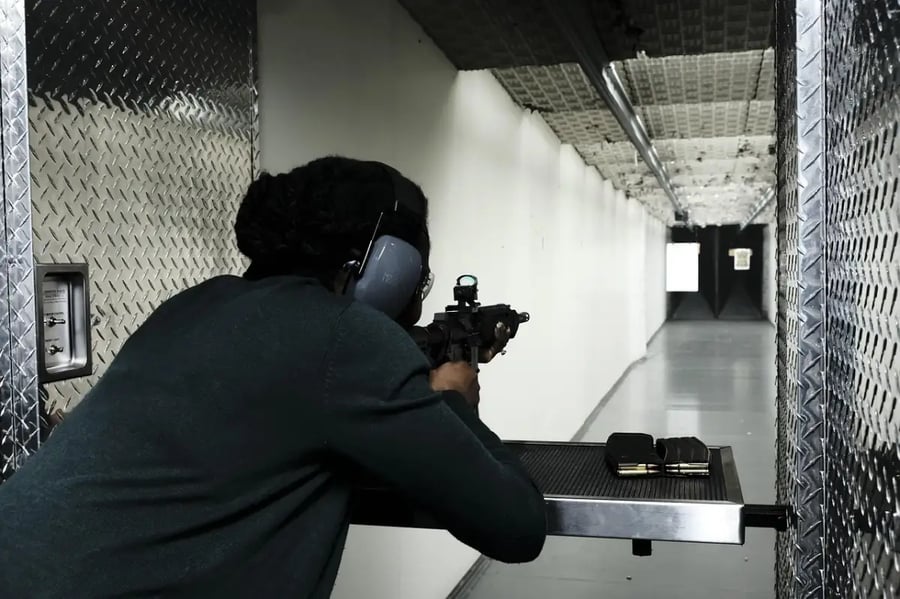
Training builds skill more effectively than unguided practice. Many new carriers learn that stance, grip, trigger control, and awareness require professional instruction. If you're looking for acquiring firearms training in Orlando CCW classes can provide essential skills that support safer decision-making.
Organized instruction includes realistic scenarios that sharpen judgment, timing, and accuracy. Students learn why techniques matter, reinforcing safer habits. Consistent training supported by coaching develops reliable muscle memory and prepares carriers for responsible decision-making.
Mental Preparedness for Everyday Carry
Mental readiness shapes nearly every decision a carrier makes. Calm thinking helps identify real threats and recognize when avoidance is safer. Stress can affect judgment, making emotional discipline essential.
Preparedness develops through training, reflection, and honest self-assessment. Responsible carry means understanding personal limits and committing to choices that reduce unnecessary risk.
Safety Habits That Prevent Costly Mistakes
Safe carry relies on consistent habits. Secure storage, regular equipment checks, and strict trigger discipline form the foundation of responsible handling. Careful holstering and unloading procedures reduce accidental discharges.
Equipment alone does not ensure safety. Daily routines matter more because they reinforce respect for the firearm. Carriers who follow disciplined habits maintain control during unexpected situations.
Choosing the Right Firearm for Your Needs
Selecting a firearm involves more than choosing a popular model. Grip comfort, balance, weight, and ease of control influence performance. Comfort improves accuracy and smoother handling during practice and stress.
A firearm that fits encourages consistent training and confident carry. Proper fit reduces hesitation and allows learned skills to translate more effectively into real-world situations.
Holsters, Carry Positions, and Practical Gear Choices
Holsters play a major role in safety and comfort. Quality holsters secure the firearm, protect the trigger, and allow smooth access. Many carriers test different options before finding the best fit.
Carry position affects concealment, movement, and accessibility. Practical gear choices support comfort, awareness, and consistent handling throughout the day.
Situational Awareness That Supports Responsible Carry
Situational awareness helps prevent danger before it escalates. Awareness develops by observing surroundings, behavior changes, and environmental cues.
Strong awareness encourages avoidance rather than confrontation. This approach supports responsible carry and clearer decision-making.
Interactions With Law Enforcement While Carrying
Clear communication with law enforcement ensures safety for everyone. Keeping hands visible, speaking calmly, and following instructions establishes trust.
Understanding disclosure requirements builds confidence. Prepared carriers handle interactions respectfully and responsibly.
Copyright © 2026 California Business Journal. All Rights Reserved.
For California Business Journal Disclaimers, go to /terms-conditions/.


