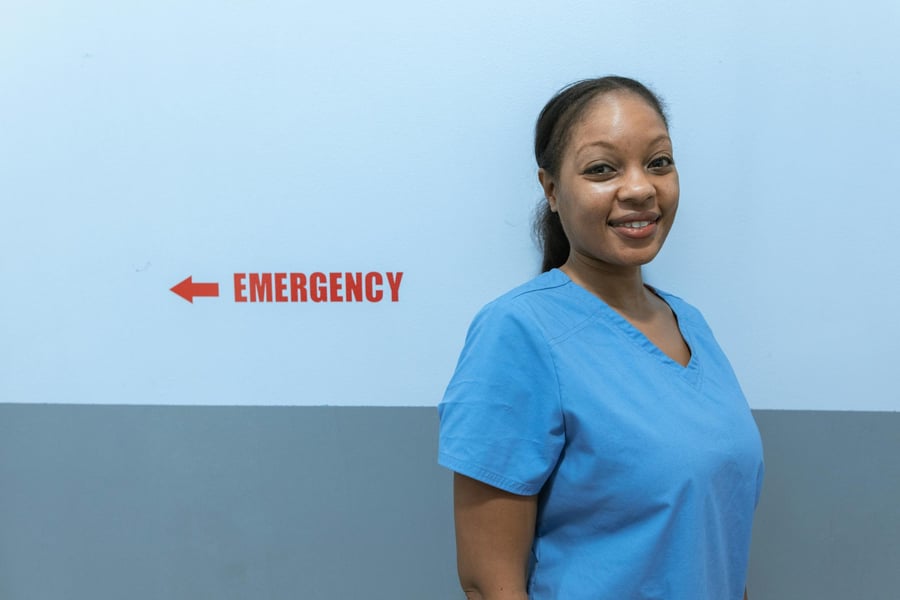
For working nurses, school isn’t a quiet escape—it’s another layer on an already full plate. And still, many are signing up. Not to chase credentials, but to grow, lead, and deliver care in new ways.
This push toward advanced education isn’t by chance. It’s driven by provider shortages, shifting policies, and a growing demand for nurses to step into leadership roles. But doing that requires programs built around real-life nursing.
In this blog, we will share what working nurses expect from modern graduate education, why current trends are pushing them to go back to school, and how programs can rise to meet the challenge.
Why Flexibility Is No Longer Optional
Nurses don’t want more tasks—they want more control. That’s why flexible education is important. With demanding shifts and constant charting, traditional classes feel out of touch. They’re not asking for shortcuts, just a smarter, more practical path.
Online learning offers that, but only when it's well-designed. Nurses need clear structure, responsive faculty, relevant content, and deadlines that respect unpredictable schedules. Flexibility must come with support.
Ultimately, the goal is growth. Many aim to become family nurse practitioners—a role that brings more responsibility, autonomy, and impact across all stages of patient care.
To make that transition, nurses are turning to MSN FNP programs, which offer the clinical training and academic foundation needed to practice at a more advanced level. These programs are especially appealing to working professionals who want to grow into provider roles without stepping away from their current lives.
That’s where St. Thomas University enters the conversation. Their graduate nursing program is designed with real-world nursing schedules in mind. It offers the kind of flexibility nurses need, along with faculty support, career-focused coursework, and clinical preparation that connects directly to today’s evolving care environments. It’s not just built for working nurses—it’s built with them.
Nurses Want More Than Just a Degree
Nurses don’t pursue grad school for the diploma—they want real results. They’re aiming for better jobs, higher pay, and greater respect. They also want to lead with more confidence and skill in their current roles.
With the shortage of primary care providers, nurse practitioners are in higher demand. For many nurses, this shift opens the door to greater responsibility. But to step into these roles effectively, they need education that prepares them to lead and deliver safe, informed care.
Graduate programs that stand out are the ones that prepare nurses not just academically, but practically. Clinical placements should match the realities nurses will face—diverse patient populations, community health issues, telehealth scenarios.
Education That Reflects Real-World Priorities
Graduate-level nurses aren’t just filling a role—they’re shaping the future of care. That means programs must prepare them to handle complex challenges: aging populations, mental health needs, health equity, and rapid tech adoption. These aren’t side topics. They’re front and center.
When programs keep up with today’s priorities, students walk away feeling prepared—not just to survive in healthcare, but to improve it. They learn how to balance hands-on care with leadership thinking. They practice hard conversations and learn how to use data without losing sight of the human.
Working nurses don’t expect graduate programs to be easy. But they do expect them to be worth it. They’re ready to commit—but only if the program commits to them, too. With the right structure, guidance, and outcome focus, a graduate degree isn’t just another item on the to-do list. It becomes a turning point.
Copyright © 2025 California Business Journal. All Rights Reserved.
For California Business Journal Disclaimers, go to /terms-conditions/.


