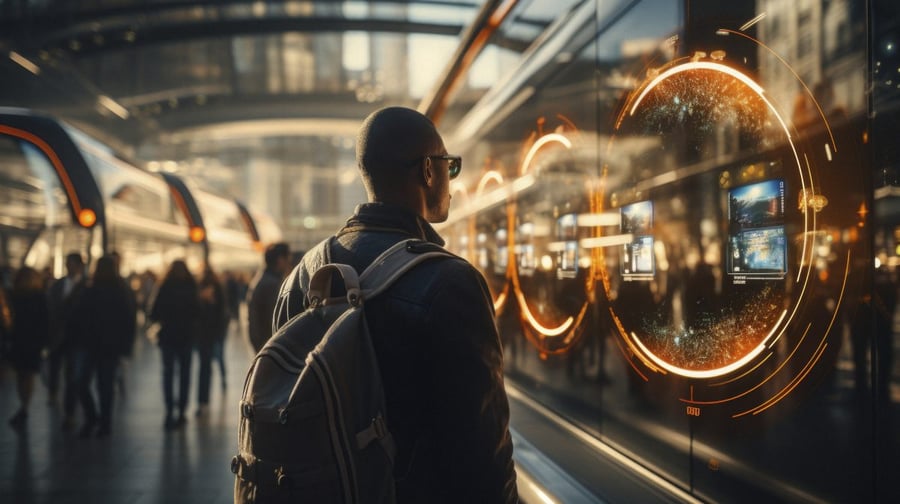
The travel industry stands at a fascinating crossroads, shaped by technological innovation, changing consumer preferences, and global events that have forever altered how we explore the world. As we look ahead, several transformative trends are emerging that will redefine the way we plan, book, and experience our journeys. Understanding these shifts is essential for travelers, industry professionals, and anyone interested in the future of global mobility.
Artificial Intelligence Reshaping Travel Planning
Artificial intelligence is revolutionizing every aspect of trip planning, from initial inspiration to final booking. Smart algorithms now analyze your preferences, budget, and past behavior to suggest personalized destinations and experiences you might never have discovered on your own. Virtual travel assistants can handle everything from finding the best flight combinations to recommending restaurants that match your dietary requirements.
The real game-changer lies in AI's ability to provide real-time solutions during your travels. Imagine your flight gets canceled, and within seconds, an AI system has already rebooked you on an alternative route, adjusted your hotel reservation, and notified your car rental company. This level of seamless problem-solving is quickly becoming the new standard rather than the exception.
Sustainable Tourism Takes Center Stage
Environmental consciousness is no longer a niche concern but a driving force in travel decisions. The industry is responding with carbon-neutral flights, eco-certified accommodations, and tour operators who prioritize conservation over exploitation. Travelers increasingly seek experiences that give back to local communities rather than simply extracting from them.
Airlines are investing billions in sustainable aviation fuel and more efficient aircraft designs. Hotels are eliminating single-use plastics, implementing water conservation systems, and sourcing food locally. This shift reflects both consumer demand and genuine recognition that the industry's future depends on protecting the destinations we all love to visit.
The Rise of Bleisure and Remote Work Travel
The boundary between business and leisure travel continues to blur as remote work becomes permanent for millions of professionals. This "bleisure" trend means people are extending business trips for personal exploration or choosing to work from vacation destinations for weeks at a time. Hotels and destinations are adapting by offering coworking spaces, reliable high-speed internet, and flexible long-term stay options.
Digital nomad visas are proliferating worldwide, with countries from Portugal to Thailand creating legal frameworks for extended remote work stays. This represents a fundamental shift in how we think about travel, transforming it from occasional escape to integrated lifestyle choice.
Contactless Technology and Biometric Systems
The pandemic accelerated the adoption of contactless technology throughout the travel experience, and there's no going back. From mobile check-ins to digital room keys and touchless payments, the entire journey is becoming increasingly frictionless. Biometric systems using facial recognition or fingerprint scanning are streamlining airport security and border control processes.
While privacy concerns remain valid, the convenience factor is undeniable. Travelers can now move through airports without touching a single surface or presenting physical documents multiple times. This efficiency not only saves time but also enhances security and reduces the stress traditionally associated with travel logistics.
Hyper-Personalization Through Data
Travel companies are leveraging data analytics to create uniquely tailored experiences for each customer. By analyzing booking patterns, social media activity, and stated preferences, providers can anticipate your needs before you articulate them. This might mean receiving hotel recommendations that perfectly match your style or getting activity suggestions based on your fitness level and interests.
For those following travel industry news today, it's clear that personalization extends beyond marketing into the actual travel experience itself. Airlines are experimenting with customized in-flight entertainment and meal options, while tour operators design flexible itineraries that adapt to real-time feedback from participants.
Virtual and Augmented Reality Experiences
Before booking that expensive resort or adventure tour, you'll increasingly be able to experience it virtually. VR technology allows potential travelers to walk through hotel rooms, explore destinations, and even preview activities from the comfort of home. This transparency builds confidence in purchasing decisions and helps travelers choose experiences that truly match their expectations.
Augmented reality is enhancing the actual travel experience too. Point your smartphone at a historical landmark, and AR overlays provide historical context, reconstruction visualizations, or interactive storytelling that brings the past to life in ways traditional guidebooks never could.
Conclusion
The future of travel promises to be more personalized, sustainable, and technologically sophisticated than ever before. While some may worry that technology will diminish the human element of exploration, the reality is that these innovations free us to focus on what matters most: genuine connections, meaningful experiences, and the joy of discovery. The industry's evolution reflects our changing values and lifestyles, creating opportunities for travel that's not only more convenient but also more responsible and enriching. As these trends continue developing, one thing remains certain—our fundamental desire to explore and connect with the world isn't going anywhere.
Copyright © 2026 California Business Journal. All Rights Reserved.
For California Business Journal Disclaimers, go to /terms-conditions/.


