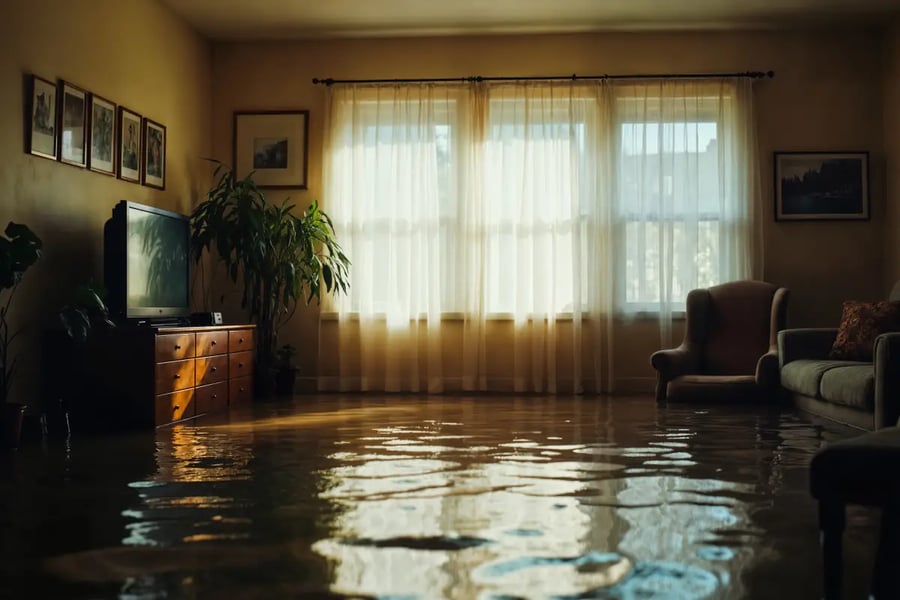
Few things throw off a normal day faster than finding water where it shouldn't be. Maybe you walked into the laundry room and noticed a puddle spreading across the floor. Maybe a pipe burst while you were away. Sometimes the problem starts with a small roof leak and turns into something much bigger after a storm. However it happens, water damage has a way of creating stress almost immediately.
The first reaction is often panic, and that's completely normal. Homeowners dealing with sudden leaks or flooding can contact Good Life Restoration for fast cleanup and restoration support. While professional help can speed up recovery, there are also several important steps you can take right away to limit damage and protect your Sacramento home.
Take a Breath and Find the Source
Before you reach for towels or start moving furniture, try to identify the source of the water. In addition to a leaky water heater or a damaged roof, major issues can also be caused by a broken supply line or an overflowing sink. If the source is still active, stopping it should be your top priority.
For plumbing problems, shut off the main water valve if necessary. If an appliance caused the leak, disconnect it from power once it's safe to do so. Sometimes the source is obvious. Other times it takes a little detective work. Either way, stopping additional water from entering the space can save you a lot of money later.
Put Safety First
People often focus on the water and forget about the hazards around it. Water and electricity don't get along. If water has reached outlets, power cords, or electrical equipment, stay out of the affected area until the power is disconnected.
Wet floors can also become surprisingly slippery. One awkward step can turn a property problem into a trip to urgent care. If the damage seems extensive, don't take unnecessary risks. There will be time to clean up once the area is safe.
Document Everything Before Cleanup Starts
This step feels boring, but it matters. Take photos of every affected room. Get pictures of damaged flooring, walls, furniture, electronics, and personal belongings. Capture wide shots and close-ups. Many homeowners later realize they missed something important once insurance discussions begin.
Think of the photos as a snapshot of the situation before changes happen. They can help support your claim and reduce confusion later. Keep receipts as well. Even small emergency purchases can add up quickly.
Remove Water as Soon as Possible
Water has a habit of spreading farther than people expect. What looks like a small puddle on the surface may already be soaking into drywall, baseboards, cabinets, and flooring, which is why speed is so important.
A wet vacuum, mop, or absorbent towels can be used to remove standing water in minor incidents. Larger floods usually require commercial extraction equipment. Many homeowners underestimate how much water remains after the visible portion disappears. Unfortunately, hidden moisture often causes the most trouble.
Get Air Moving Through the Home
Once standing water is gone, drying becomes the next challenge. Open windows if outdoor conditions allow, turn on fans, and run dehumidifiers. Create as much airflow as possible throughout affected spaces.
This stage can test your patience. The room may look dry after a day or two, but moisture can remain trapped inside materials for much longer. Drywall, wood, and insulation tend to hold water longer than most people realize. A little extra drying time now can prevent a much bigger headache later.
Focus on Proper Repairs
After the cleanup comes the part many homeowners want to rush through. Try not to rush the process. Water damage isn't always limited to what you can see. Flooring may need replacement. Drywall could require repairs. Cabinets and insulation sometimes suffer damage that becomes apparent weeks later.
A quick cosmetic fix may hide the problem for a while, but it rarely solves it. Water damage can feel overwhelming in the moment. The good news is that fast action often limits the impact. Stopping the source, documenting the damage, drying affected areas, and properly addressing repairs are essential. These steps help Sacramento homeowners recover faster. They also reduce the risk of problems that can develop when water damage is left untreated.
Copyright © 2026 California Business Journal. All Rights Reserved.
For California Business Journal Disclaimers, go to /terms-conditions/.


