Stroke and brain injury rehabilitation now begins earlier and relies on more frequent measurement than in past care models. Federal health data still places stroke among the main causes of long-term adult disability in the United States. Many survivors live with weakness, speech loss, slowed thinking, or poor balance. Modern neuro rehabilitation addresses those changes through coordinated therapy, repeated practice, and functional goals tied to eating, dressing, walking, communication, and safe participation in daily life.
Early Assessment
Soon after discharge, families often need a clearer picture of which services match a person’s deficits, stamina, and safety needs. Consistent attendance matters because missed visits can slow gains in mobility, communication, and executive function. In areas where neuro rehab in Augusta, GA, is available, a detailed evaluation can link exam findings with home routines, caregiver demands, and practical goals for work, community access, and self-care.
The First 48 Hours
National stroke guidance shows rehabilitation often starts within 48 hours after the event, once medical stability allows activity. Early sessions may include bed mobility, seated balance, standing tolerance, transfers, and brief gait practice. Clinicians also monitor fatigue, blood pressure, pain, neglect, and attention. That timing matters because neural circuits begin adapting quickly, and repeated movement can reinforce safer patterns before compensation becomes harder to change.
A Team Plan
Strong rehabilitation rarely rests on one discipline. Physicians address diagnosis and medical risk, while therapists target movement, self-care, cognition, swallowing, speech, and emotional adjustment. Nurses reinforce safe routines across the day, and social workers help families plan support after discharge. Shared goals keep treatment organized. Clear explanations also help relatives know which limits may improve, which problems need workarounds, and which strategies reduce strain at home.
Movement and Balance
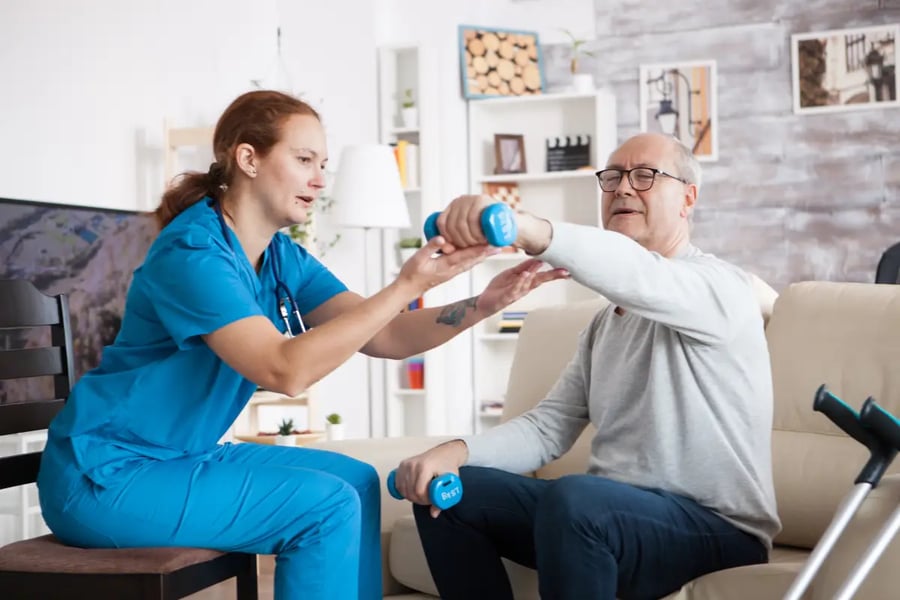
Physical therapy focuses on gait quality, postural control, endurance, coordination, and fall prevention. Sessions may involve weight shifting, stepping, turning, reaching, and stair negotiation. Occupational therapy adds dressing, bathing, meal preparation, and one-handed methods when arm weakness limits function. Repetition remains essential. Many survivors still report difficulty with daily tasks months later, so movement training often continues well past the first phase of recovery.
Speech and Swallowing
Brain injury can impair speech production, word retrieval, reading, writing, or swallowing safety. Speech-language therapy targets these areas through tasks linked to real situations, such as meals, phone calls, or medication review. Swallowing treatment carries special value because unsafe intake raises the risk of choking and aspiration pneumonia. Gains may arrive slowly, yet small changes in clarity or airway protection can greatly improve independence and confidence.
Thinking and Mood
Cognitive and emotional symptoms often shape recovery as much as weakness does. A person may struggle with planning, divided attention, processing speed, irritability, anxiety, or depression, even when walking improves. Therapy can break tasks into smaller steps and build routines that reduce overload. Sleep quality matters as well. Better rest, stronger coping skills, and informed family support often improve participation across every area of treatment.
Home Practice
Clinic visits alone rarely provide enough repetition for meaningful carryover. Most programs assign short exercises for walking, hand use, communication, memory, or energy pacing between appointments. Those tasks must be safe, concrete, and realistic for the home environment. Brief daily practice usually works better than occasional long efforts. Caregivers also need coaching, because too much assistance can limit learning, while too little help raises risk.
Measuring Progress
Modern programs rely on more than observation. Standardized measures can track gait speed, grip strength, balance, language, attention, self-care ability, and memory across time. Data helps the team decide whether to intensify treatment, shift focus, or move to maintenance. Families also benefit from that structure. Recovery rarely follows a straight line, and temporary plateaus do not always mean the brain isn’t adapting.
Long-term Goals
Recovery may continue for months, and sometimes years, after the original injury. National stroke data show that many survivors still need rehabilitation after hospitalization, which reflects the lasting effect of neurologic damage. Longer-range goals can include return-to-work planning, driving review, school supports, community mobility, or strategies for bills and appointments. Participation, safety, and steadier functioning during routine activities indicate success.
Conclusion
Neuro rehab today is structured, active, and centered on real function rather than vague optimism. Effective care starts early, uses measurable goals, and treats movement, swallowing, communication, cognition, mood, and home safety as interconnected parts of a single recovery process. For people living with stroke or brain injury, that model can turn scattered symptoms into a workable plan. With steady therapy and informed support, daily life often becomes safer, easier, and more independent.
Copyright © 2026 California Business Journal. All Rights Reserved.
For California Business Journal Disclaimers, go to /terms-conditions/.


