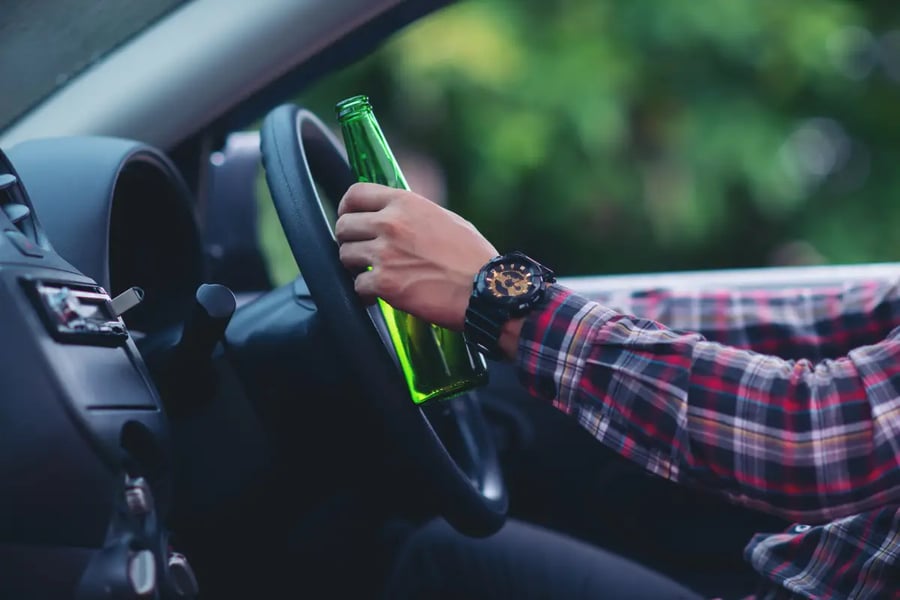
Roads feel completely different late at night.
Traffic becomes lighter, headlights cut through darker streets, and many drivers begin moving faster because the roads seem emptier. That quiet atmosphere often hides dangerous decisions happening behind the wheel. A drunk driver on a dark road creates a serious risk because visibility, reaction time, and judgment are already weaker after sunset. These crashes are rarely simple, and the damage often becomes severe very quickly.
Many victims later find themselves dealing with medical stress, insurance pressure, and conversations involving lawyers for drunk driving accidents after one reckless driver suddenly changes everything around them completely.
Darkness Makes Driving More Difficult for Everyone
Night driving already creates problems for sober drivers. Streetlights do not fully brighten every road, and headlights from nearby vehicles can make it harder to judge distance clearly. Drivers usually have less time to react to sudden movement or unsafe turns after dark.
Alcohol makes these nighttime problems much worse. Drunk drivers often struggle with focus, coordination, and depth perception before dangerous road conditions even appear. Darkness adds another level of confusion because impaired drivers process information more slowly than normal.
Late-night roads also create false confidence. Some drivers believe emptier streets make driving easier, so they speed, ignore signals, or turn carelessly without checking nearby traffic properly. Those risky choices become more dangerous once alcohol affects decision-making.
A sober driver may still correct a mistake quickly. A drunk driver usually reacts too late.
Empty Roads Often Lead to Reckless Driving
Heavy daytime traffic naturally forces drivers to stay alert because vehicles constantly surround them. Late at night, roads feel open and quiet, which changes how some people behave behind the wheel.
Drunk drivers may drift between lanes, brake suddenly, or speed through intersections because there are fewer cars nearby. The calmer environment sometimes creates the dangerous feeling that road rules no longer matter as much after midnight.
Some dangerous behaviors commonly seen during late-night DUI crashes include:
- wrong-way driving
- delayed braking
- drifting across lanes
- ignoring traffic lights
- sharp and careless turns
These actions become extremely dangerous because other drivers often do not expect such unpredictable behavior on quiet roads. A vehicle suddenly swerving across lanes at night gives nearby drivers very little time to avoid a collision safely.
Intersections become especially risky during these situations because visibility is already weaker after dark. Drivers approaching from different directions may notice danger only seconds before impact.
Fatigue Makes Nighttime Crashes Worse
Many people driving late at night are already tired before alcohol becomes part of the situation. Long workdays, social events, and exhaustion naturally reduce focus and alertness during nighttime hours.
Alcohol combined with fatigue creates serious problems behind the wheel. Tired drivers already react more slowly, and alcohol weakens concentration and coordination even further. Vehicles may drift into nearby lanes, miss stop signs, or continue through intersections without proper awareness of surrounding traffic.
Late-night drunk driving crashes often happen with very little warning because impaired drivers fail to recognize danger until the final moments before impact. That delay becomes especially dangerous on roads where vehicles are traveling faster due to lighter traffic conditions.
Victims Usually Have Less Time to Avoid the Crash
Late-night DUI accidents become more dangerous because other drivers often cannot recognize risky behavior early enough. Darkness reduces visibility, and fewer cars nearby make dangerous driving patterns harder to notice immediately.
A sober driver may not realize the vehicle ahead is being operated by an impaired person until it suddenly crosses lanes or rushes through a red light. Cyclists and pedestrians face even greater danger because they are harder to see at night and have very little protection during collisions.
These accidents also tend to involve higher speeds because emptier roads encourage aggressive driving. Greater speed combined with delayed reactions usually creates more severe injuries and heavier vehicle damage.
Conclusion
Nighttime roads already create difficult driving conditions before alcohol enters the situation. Reduced visibility, fatigue, faster driving, and quiet streets naturally increase risks after dark. Alcohol makes those risks much worse because impaired drivers lose judgment and reaction time exactly when careful driving matters most.
Many late-night accidents happen suddenly because victims have almost no time to react safely. The roads may appear calm and empty after midnight, but dangerous choices behind the wheel often remain hidden until the crash is already unavoidable. Professionals, including lawyers for drunk driving accidents, often point out that nighttime collisions can become more complicated because evidence, witness accounts, and driver behavior are harder to document clearly after dark.
Copyright © 2026 California Business Journal. All Rights Reserved.
For California Business Journal Disclaimers, go to /terms-conditions/.


