If you’ve ever driven near Brooklyn’s Prospect Park—especially during peak hours—you already know it’s not your typical urban drive. Between the honking horns, joggers darting across the street mid-stride, and cyclists speeding along at Tour de France levels, it can feel less like driving and more like navigating a live-action obstacle course. But for those who haven’t experienced it firsthand, there’s something you should know: driving near Prospect Park is a lot riskier than it looks.
This isn’t just about bad traffic or a few reckless e-scooter riders. It’s about the perfect storm of human activity and street design that creates near-constant conflict points for drivers, pedestrians, and cyclists alike. And when you mix in high pedestrian density, a culture of aggressive crossing, and the occasional impatient driver trying to beat the light, the chances of a collision spike—whether it’s car-on-car, car-on-person, or car-on-bike.
Let’s take a closer look at why Prospect Park is one of Brooklyn’s most deceptively dangerous areas to drive through.
The Park Is a Magnet for People—and Movement
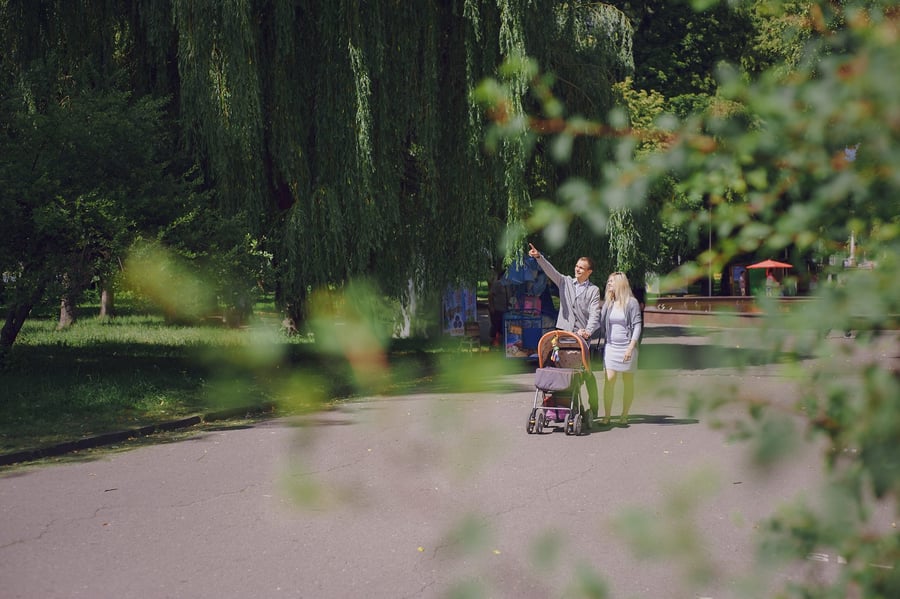
Prospect Park is Brooklyn’s backyard. On any given day, the loop is filled with runners training for marathons, dog walkers, stroller-pushing parents, cyclists commuting or joyriding, and thousands of people just trying to cross the street to get in or out of the park. It’s not unusual for someone to jaywalk mid-block, headphones in, eyes down, completely unaware of traffic patterns.
That level of foot traffic means there’s a constant stream of unpredictability for drivers. The sheer density of pedestrians changes everything. People are everywhere, often not where they're supposed to be, and that makes split-second decisions more common—and riskier. Combine that with a driver unfamiliar with the area, and you’ve got a recipe for near-misses and too many collisions that are a matter of inches (or seconds) from being tragic.
Crosswalks Don't Always Mean What You Think
Crosswalks near Prospect Park might be painted, but they don’t always feel protected. At many intersections, pedestrians will step into the street the moment the light changes—or sometimes before it does—assuming drivers will stop. And most of the time, they do. But that assumption alone causes a serious level of tension on the road.
Crosswalk activity near the park is uniquely aggressive. Locals know that if you wait for a completely clear path, you'll be standing for 10 minutes. So people cross with confidence, trusting that cars will yield. But what happens when a driver doesn’t see someone behind a van? Or when they’re watching the cyclist weaving through traffic and miss the pedestrian stepping off the curb?
These aren’t theoretical scenarios. They happen every day. Just ask anyone who’s had to slam their brakes near Grand Army Plaza.
Cyclists Add a Whole Other Layer of Complexity
Prospect Park is a haven for cyclists, both inside the park loop and along its bordering streets. The issue? Not all cyclists follow the rules of the road. Many zip past red lights, ride between lanes, or pass cars on the right with zero warning. From a driver's perspective, it can be nearly impossible to keep track of where a cyclist is going or if they’re even visible in the side mirror.
Even worse, cyclists and cars often share the same space at entrances and exits around the park. It’s a constant merge-and-duck situation that leaves both parties at risk. And when an accident happens, liability isn’t always clear—especially in cases where one or both parties were technically breaking the rules.
The Design of the Streets Doesn’t Help
Part of what makes driving here so complicated is the layout of the roads. Grand Army Plaza, for instance, is a traffic circle that feels more like a swirling traffic blender. It’s confusing to navigate even for locals, with odd angles, poorly marked lanes, and minimal signage to guide out-of-town drivers.
Add in narrow streets around Park Slope, aggressive left turns, and intersections that seem to change rules depending on the time of day, and you’ve got an infrastructure that isn’t doing drivers—or pedestrians—any favors.
Accidents Aren’t Always Just Car-on-Car
It’s easy to assume that the risk here is about cars hitting each other. But collisions near Prospect Park often involve cyclists and pedestrians. And when those accidents happen, the legal aftermath can be complex. A pedestrian hit while jogging across an intersection might suffer long-term injuries. A cyclist sideswiped while commuting to work may be unable to return to their job immediately.
That’s where something like workers' compensation can quietly enter the picture. If someone is hurt while making a work-related trip—say, a delivery worker riding through the area or an employee commuting to a meeting—their injuries might qualify under workers' comp laws. And while that might sound like something only a Boston Workers' Compensation Attorney would worry about, it's relevant here in Brooklyn too. The key is understanding how employment and injury intersect—and they intersect more often than people realize, especially in high-traffic zones like this.
It's Not Just the Accidents—It's the Aftermath
Even minor collisions can spiral into serious legal disputes when they happen in an area this dense and unpredictable. Consider the challenges of establishing fault when a cyclist cuts across three lanes to avoid a stopped car, or when a pedestrian crosses mid-block and is clipped by a turning vehicle.
The legal aftermath can involve insurance companies, city traffic data, surveillance footage (if you’re lucky), and multiple witness statements—often conflicting. A seasoned Brooklyn car accident attorney might be brought in to navigate the chaos and interpret what really happened based on fragmented evidence.
So, What Can Drivers Do?
While this isn’t about offering advice, it’s clear that extra caution is more than a courtesy around Prospect Park—it’s a necessity. Familiarity with the area helps, but so does patience. Awareness of cyclists, pedestrians, and especially the habits of local foot traffic can make a big difference in avoiding the most common types of collisions.
Driving here might not require nerves of steel, but it does require your full attention. Because even a quick trip around the loop can turn into a legal headache faster than you think.
And if you thought a park was supposed to be peaceful, think again. In Brooklyn, even serenity has right-of-way issues.
Copyright © 2025 California Business Journal. All Rights Reserved.
For California Business Journal Disclaimers, go to /terms-conditions/.


