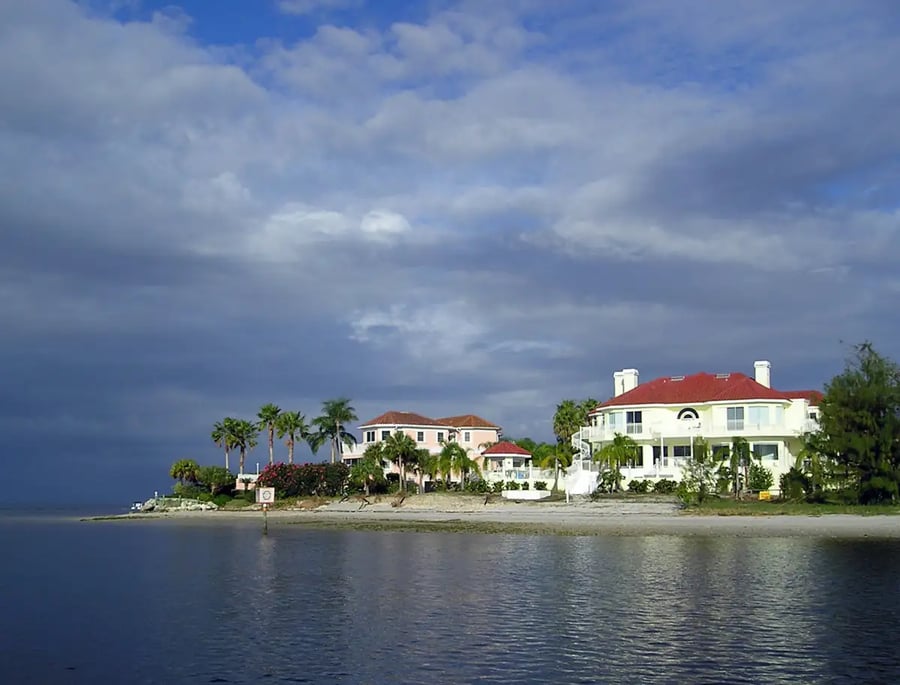
Coastal homes attract buyers for their views, privacy, and lifestyle benefits, but they also come with higher construction and ownership costs. Building near the ocean involves challenges that do not exist in inland areas. Salt air, strong winds, erosion, and strict environmental rules all influence how a home is designed and maintained. These factors increase both upfront construction costs and long-term maintenance costs.
Maui serves as a practical example of how these factors influence coastal construction. As a result, oceanfront properties on the island continue to hold strong value due to limited availability and consistent global demand. At the same time, Maui’s natural conditions and regulatory requirements demand higher construction standards. These combined factors directly influence both building and long-term ownership costs. Understanding what drives these expenses helps buyers and builders make informed decisions and sets realistic expectations for protecting a coastal property over time.
The Unique Appeal and Value of Oceanfront Living
Oceanfront living combines location, lifestyle, and long-term investment potential. Buyers often prioritize proximity to the shoreline, unobstructed views, and direct beach access. These features consistently drive demand and boost property values. For instance, limited shoreline availability and strict development controls help explain why interest in Maui oceanfront homes for sale remains strong among buyers seeking long-term value.
This sustained demand shapes more than just pricing trends. It also influences how these homes are planned and built. Builders must meet higher expectations for durability, safety, and overall construction quality. Buyers expect homes that can withstand coastal conditions while maintaining comfort and visual appeal. To meet these expectations, construction plans often rely on premium materials and advanced engineering solutions. These decisions support long-term performance but increase construction costs from the start.
Higher Land Costs and Limited Buildable Space
Land prices near the coast remain significantly higher than in inland areas. Oceanfront parcels command premium pricing due to scarcity and zoning restrictions. Shoreline setbacks and conservation rules limit where construction can occur. These limits reduce the amount of buildable land and increase competition for approved lots.
Smaller buildable areas also affect design flexibility. Builders must work within tight boundaries while meeting structural and safety standards. This often leads to custom designs rather than standard plans. Customization increases architectural, engineering, and permitting costs. Buyers pay not only for the land itself but also for the complexity involved in using it responsibly.
Specialized Foundation and Structural Requirements
Coastal soil conditions differ from those found inland. Sandy or unstable ground requires reinforced foundations to ensure long-term stability. Engineers often design deeper footings or pilings to protect homes from shifting soil and erosion. These solutions demand additional materials and specialized labor.
Elevation also plays a key role in coastal construction. Homes often need raised foundations to reduce flood and storm surge risks. Elevating a structure increases material use and labor time. Builders must carefully balance safety requirements with design goals. These structural demands add high cost but help protect the home over its lifespan.
Salt Air Exposure and Its Effect on Building Materials
Salt air creates one of the most persistent challenges for coastal homes. It accelerates corrosion in metal components such as fasteners, railings, and mechanical systems. Builders must select materials that resist rust and other forms of degradation. Stainless steel, treated lumber, and protective coatings become standard choices.
These materials cost more upfront and require careful installation. Even with proper selection, coastal homes still need frequent inspections and maintenance. Owners often replace components sooner than they would in inland areas. Planning for salt exposure during construction helps reduce damage, but it also increases both construction and long-term maintenance costs.
Weather Resistance and Building for Coastal Conditions
Coastal environments expose homes to strong winds, heavy rain, and high humidity year-round. These conditions require construction methods that focus on durability and moisture control. Builders often install impact-resistant windows, reinforced roofing systems, and wind-rated doors. Proper sealing and ventilation also play a critical role in protecting the structure.
High humidity increases the risk of mold and material deterioration. To address this, builders use moisture-resistant insulation and advanced air barriers. These features help maintain indoor comfort while reducing long-term damage. Each added layer of protection increases construction costs but reduces repair needs over time.
Stricter Building Codes and Environmental Regulations
Coastal construction faces more regulations than inland projects. Local governments enforce strict building codes to protect shorelines, ecosystems, and nearby properties. Environmental reviews and shoreline setback rules often affect design choices and timelines. Builders must factor these requirements into the planning stage.
Permits often require specialized studies, inspections, and professional approvals. Each step adds cost and extends the project schedule. Builders must also adjust designs to comply with changing regulations. These rules help preserve coastal environments, but they increase administrative expenses and construction complexity for homeowners.
Ongoing Maintenance and Repair Demands
Coastal homes require more frequent maintenance than inland properties. Salt air, moisture, and sun exposure wear down exterior surfaces faster. Homeowners often schedule regular repainting, sealing, and hardware replacement to prevent damage. Skipping maintenance can lead to larger repairs later.
Roofing, decks, and exterior fixtures are constantly exposed to the elements. Even high-quality materials require consistent care in coastal settings. Maintenance costs add up over time and affect long-term ownership budgets. Planning for routine upkeep helps preserve both structural integrity and property value.
Insurance and Risk Management Considerations
Insurance plays a major role in the cost of owning a coastal home. Properties near the ocean often require flood, wind, and storm coverage. These policies typically carry higher premiums due to increased risk exposure. Lenders may also require specific coverage levels.
Homeowners must factor insurance costs into long-term affordability. Some insurers require proof of protective features such as elevated foundations or impact-rated windows. Investing in these features can reduce risk and improve insurability. However, they also add to upfront construction expenses.
Access, Logistics, and Labor Challenges
Building in coastal areas presents logistical challenges that affect timelines and budgets. Transporting materials to shoreline locations often requires careful coordination. Shipping costs and limited supplier options increase expenses. Delays can occur when materials arrive late or require special handling.
Labor availability also influences construction costs. Skilled contractors with coastal building experience remain in high demand. A limited labor supply drives up wages and causes scheduling delays. These challenges affect both construction timelines and final project costs, especially for custom coastal homes.
Coastal homes offer unique benefits, but they also require higher investment. Land costs, specialized construction, strict regulations, and ongoing maintenance all contribute to higher expenses. Understanding these realities helps buyers and builders plan more effectively. Informed decisions support long-term durability, safety, and property value in demanding coastal environments.
Copyright © 2026 California Business Journal. All Rights Reserved.
For California Business Journal Disclaimers, go to /terms-conditions/.


