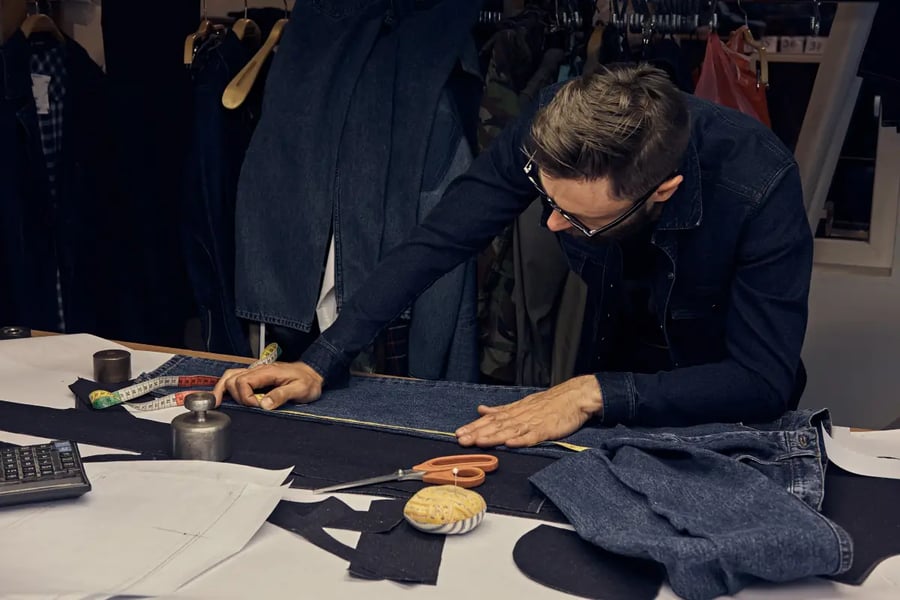
A worthwhile suit earns trust through support, comfort, and steady wear, rather than novelty. Price can influence first impressions, yet real value usually shows in quieter details. Chest shape, sleeve movement, and trouser balance affect posture, temperature control, and ease across long days. Repair options matter too, because a garment with a sound make can stay useful for years. That combination of form, durability, and repeat use separates a smart buy from a short-lived purchase.
Shape First
Shape sets the standard before fabric or label enters the discussion. Buyers comparing jackets often look at drape, shoulder line, and chest support first, because those features shape posture and comfort during long wear. In that context, Jack Victor men's suits fit a category where cloth, proportion, and consistency help explain cost. That evidence gives a clearer measure of value than surface style alone.
Why Structure Matters
Internal build affects how a jacket behaves after several hours. A supported chest keeps the front smooth, while weak bonding can cause bubbling, stiffness, or collapse. Good structure also helps the coat settle on the body with use. That gradual shaping supports cleaner lines without strain across the upper back or button stance.
The Shoulder Test
Shoulders reveal quality within seconds. A correct seam ends at the natural edge, with no pulling, denting, or excess width. Small errors there can disturb the whole silhouette. Neck tension, sleeve drag, and chest rippling often begin with poor shoulder balance, even when the rest of the fit appears acceptable on a hanger.
Cloth Has A Job
Fabric must perform, not simply impress at first touch. Fiber type, yarn twist, and cloth weight influence wrinkle recovery, airflow, moisture handling, and surface wear. Softness alone does not predict value. A handsome cloth with weak tensile strength may lose shape early, especially with repeated sitting, commuting, and seasonal cleaning.
Read The Label Carefully
Wool remains a dependable standard because it regulates heat, drapes cleanly, and resists odor better than many common fibers. Linen blends bring dryness and texture in warm weather. Silk can add sheen and softness. Cashmere feels pleasant, yet frequent wear often benefits from stronger wool content beneath that softer finish.
Construction Counts
Fine cloth cannot compensate for poor assembly. Secure stitching, steady lining attachment, and accurate button placement all influence lifespan. Loose tension may lead to puckering after cleaning. Uneven seams can shift stress across pressure points. Those flaws often appear gradually, which makes careful inspection before any money changes hands important.
Look Inside
The interior offers useful proof of quality. Half-canvas support through the chest usually ages better than a fully fused front, which may stiffen or separate with time. Clean seam finishing also matters. Bar tacks at stress points, smooth lining edges, and neat pocket reinforcement suggest long-term planning rather than quick factory output.
Fit Drives Cost Per Wear
Value rises when a suit is worn often. Proper fit supports movement, allows full breaths, and keeps the garment neat at rest. That ease encourages repeat use. A neglected piece, even an expensive one, quickly becomes poor value. Smart buyers look for a clean base fit that needs only limited alteration.
Alteration Potential
Minor changes can improve comfort and appearance without much risk. Hemming trousers, shaping the waist, or adjusting sleeve length usually works well. Major reconstruction is different. Shoulder width, armhole placement, and jacket balance rarely justify a large expense, because those changes can disturb the original pattern and overall line.
Versatility Adds Return
A strong purchase should serve several settings with little effort. Navy, charcoal, and restrained patterns usually work across business meetings, dinners, weddings, and travel. Loud checks can limit use fast. Jackets and trousers that also function as separates increase wear frequency, which improves value without requiring a larger wardrobe.
Comfort Supports Longevity
Clothing gets repeated when it feels easy on the body. Breathable cloth, smooth sleeve mobility, and a waistband that sits without pressure can reduce fatigue during long wear. Physical comfort also protects appearance. Constant pulling at tight areas can distort shape, stress seams, and shorten a garment's useful life.
Care Protects Value
Maintenance strongly influences lifespan. Fibers recover better with rest between wears, while brushing removes dust that can abrade the surface over time. Shaped hangers help the jacket keep its form. Excessive dry cleaning can strip natural oils from wool, so occasional spot care and fresh air often serve the cloth better.
Signs Of Real Value
Real value rarely depends on branding or trends. It appears in balanced shape, useful cloth, stable construction, and years of comfortable wear. A suit worth buying supports movement, keeps a clean line, and accepts small repairs without losing character. Buyers who assess structure, fit, fabric, and care demands together usually make stronger choices. Over time, the best pieces prove their quality quietly, through steady performance in ordinary life.
Copyright © 2026 California Business Journal. All Rights Reserved.
For California Business Journal Disclaimers, go to /terms-conditions/.


